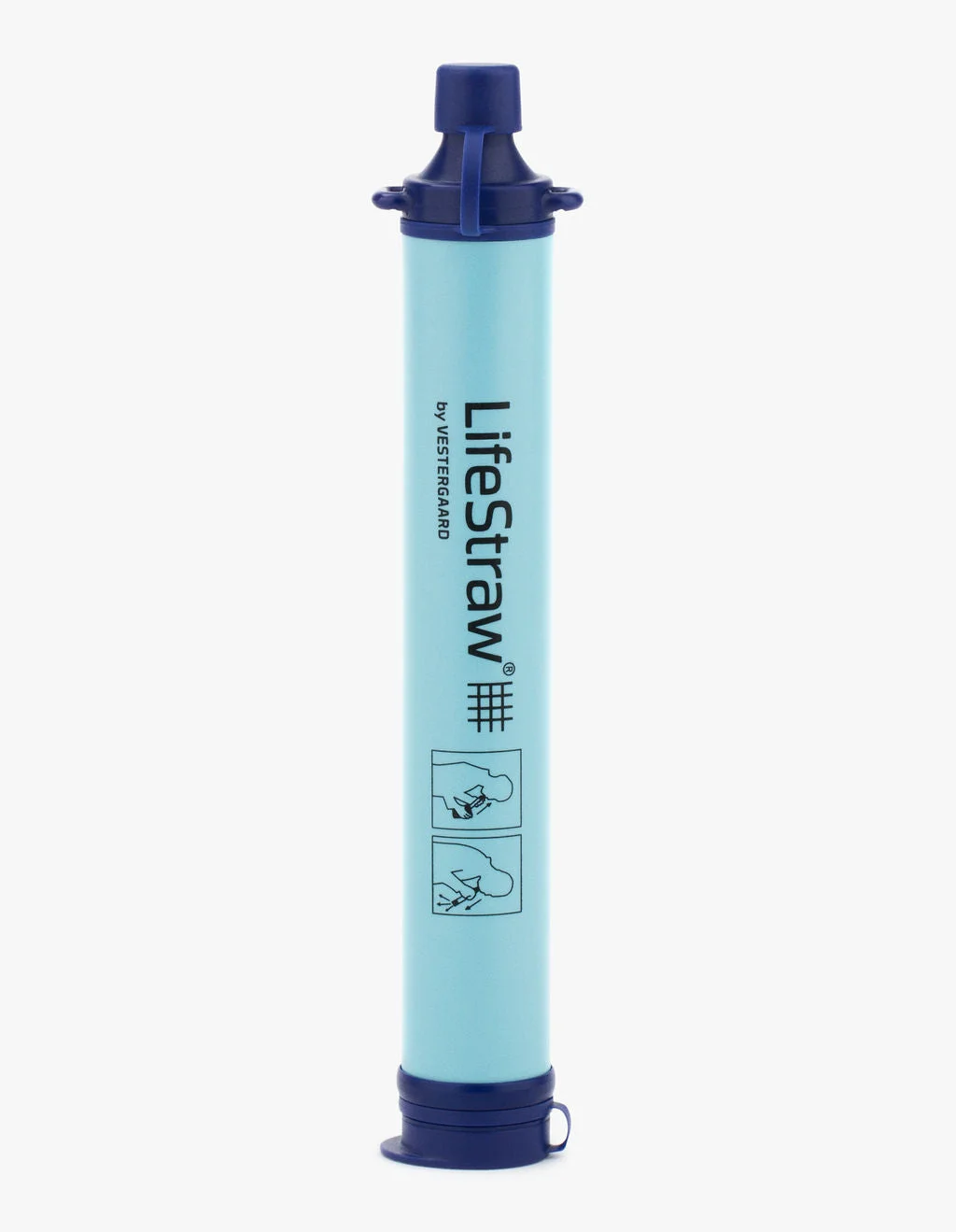
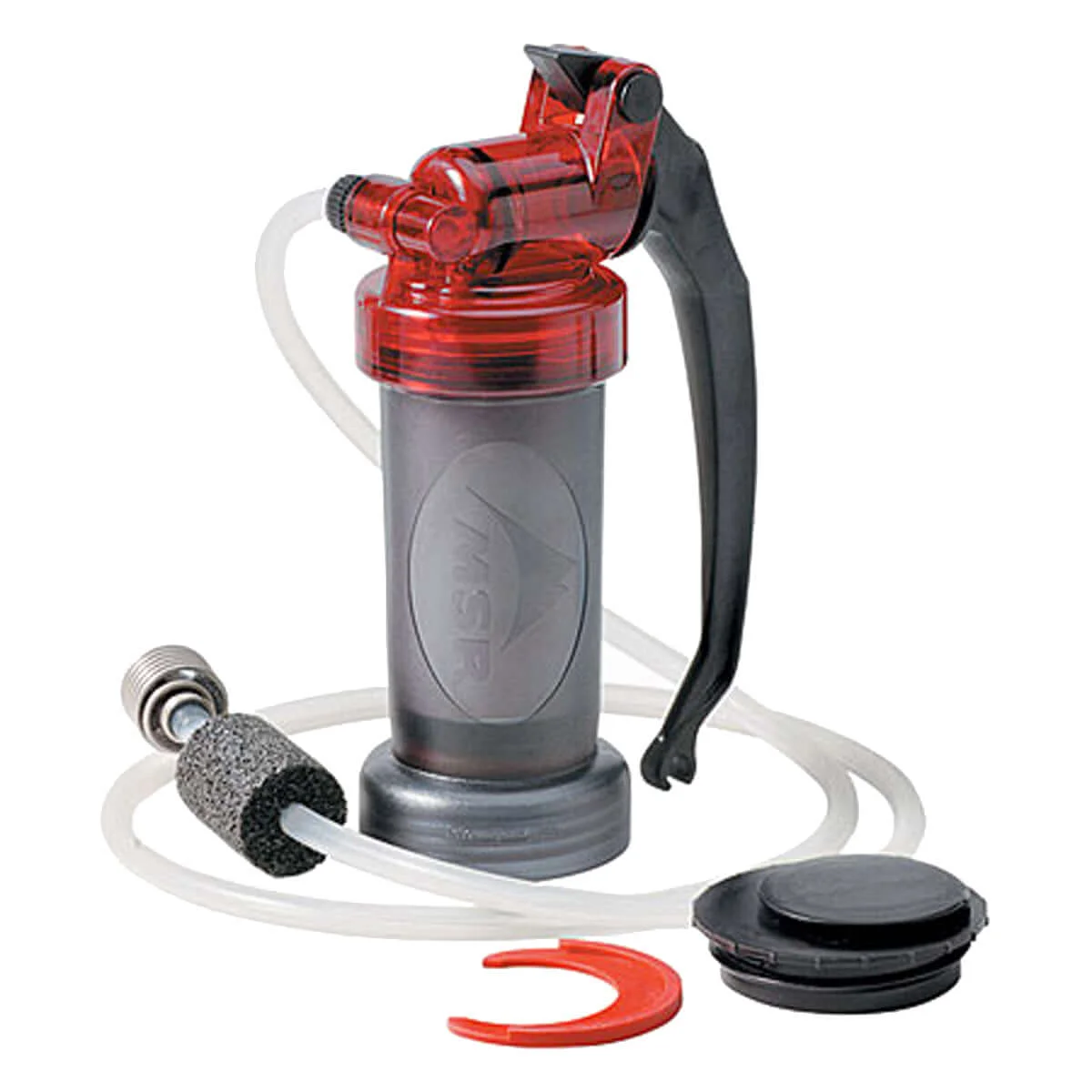
LifeStraw Personal Water Filter vs MSR MiniWorks EX Water Filter
Head-to-head comparison of LifeStraw Personal Water Filter vs MSR MiniWorks EX Water Filter. Specs, pricing, pros/cons, and our verdict on which water filtration system to buy.
| Specification | ||
|---|---|---|
| Filter Type | hollow fiber membrane | ceramic/carbon pump filter |
| Weight Oz | 1.6 | 14.6 |
| Flow Rate | suck-through (no measured rate) | 1 L/min |
| Filter Life Gallons | 1,057 | 528 |
| Filter Life Liters | 4,000 | 2,000 |
| Pore Size | 0.2 micron | 0.2 micron ceramic with carbon core |
| Contaminants Removed | bacteria, protozoa, microplastics | bacteria, protozoa, chemicals, chlorine, pesticides, taste, odor |
| Requires Power | No | No |
| Virus Removal | No | No |
| Bpa Free | Yes | — |
| Backflush Capable | No | — |
| Straw Only | Yes | — |
| Operating Temp | above freezing | above freezing |
| Ceramic Cleanable | — | Yes |
| Carbon Core | — | Yes |
| Airspring Accumulator | — | Yes |
| Pump Dimensions | — | 7.5 x 2.75 in |
| Hose Length Inches | — | 36 |
| Meets Standard | — | NSF protocol P231 |
🏆 Our Verdict
Choose the LifeStraw Personal Water Filter if you need a reliable and proven filtration solution and strong value for the price.
Choose the MSR MiniWorks EX Water Filter if you prioritize premium features and build quality .
Related
Frequently Asked Questions
Is the LifeStraw Personal Water Filter better than the MSR MiniWorks EX Water Filter?
The MSR MiniWorks EX Water Filter scores 8.3/10 vs 7.2/10 overall. Choose based on your specific filtration needs, capacity requirements, and whether you prioritize value and ease of use.
Which is more portable, LifeStraw Personal Water Filter or MSR MiniWorks EX Water Filter?
The MSR MiniWorks EX Water Filter is lighter at NaN lbs vs NaN lbs.
Which offers better value, LifeStraw Personal Water Filter or MSR MiniWorks EX Water Filter?
The LifeStraw Personal Water Filter costs $15 while the MSR MiniWorks EX Water Filter costs $90. Consider the filter lifespan and replacement costs when evaluating long-term value.