1
EcoFlow
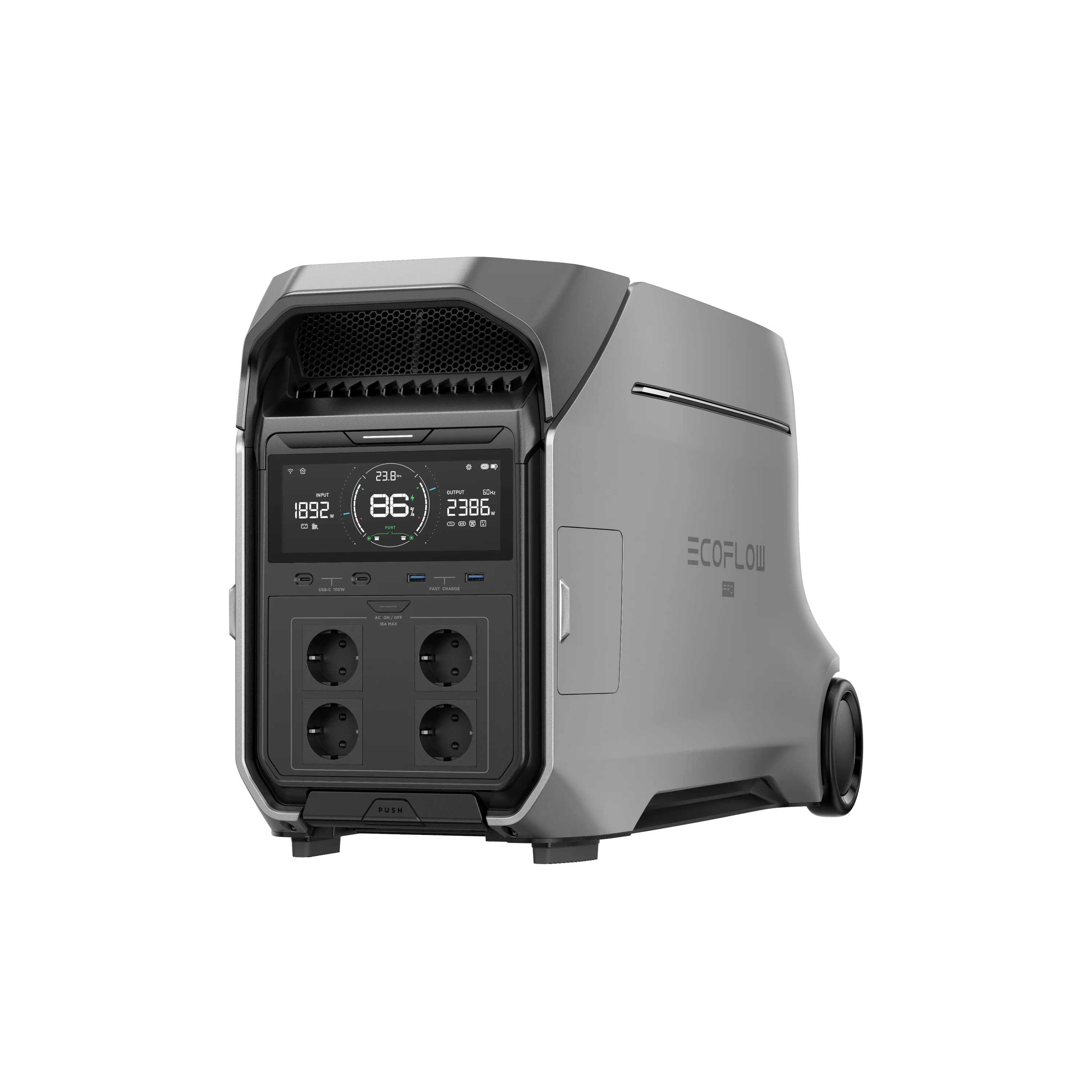
EcoFlow DELTA Pro 3
Capacity
4,096Wh
Output
4,000W
Weight
113 lbs
Battery
LiFePO4
$3,699
$3,999
Save $300
Portable Power Stations
Independent head-to-head reviews of the top power stations from EcoFlow, BLUETTI, Jackery, Anker, and more — scored on power, portability, value, features, and build quality.
See Our Award Winners & Ranked Picks
Editor's Choice, Best Value, Best for Home Backup, Best for RV, and more.
EcoFlow
Jackery
EcoFlow
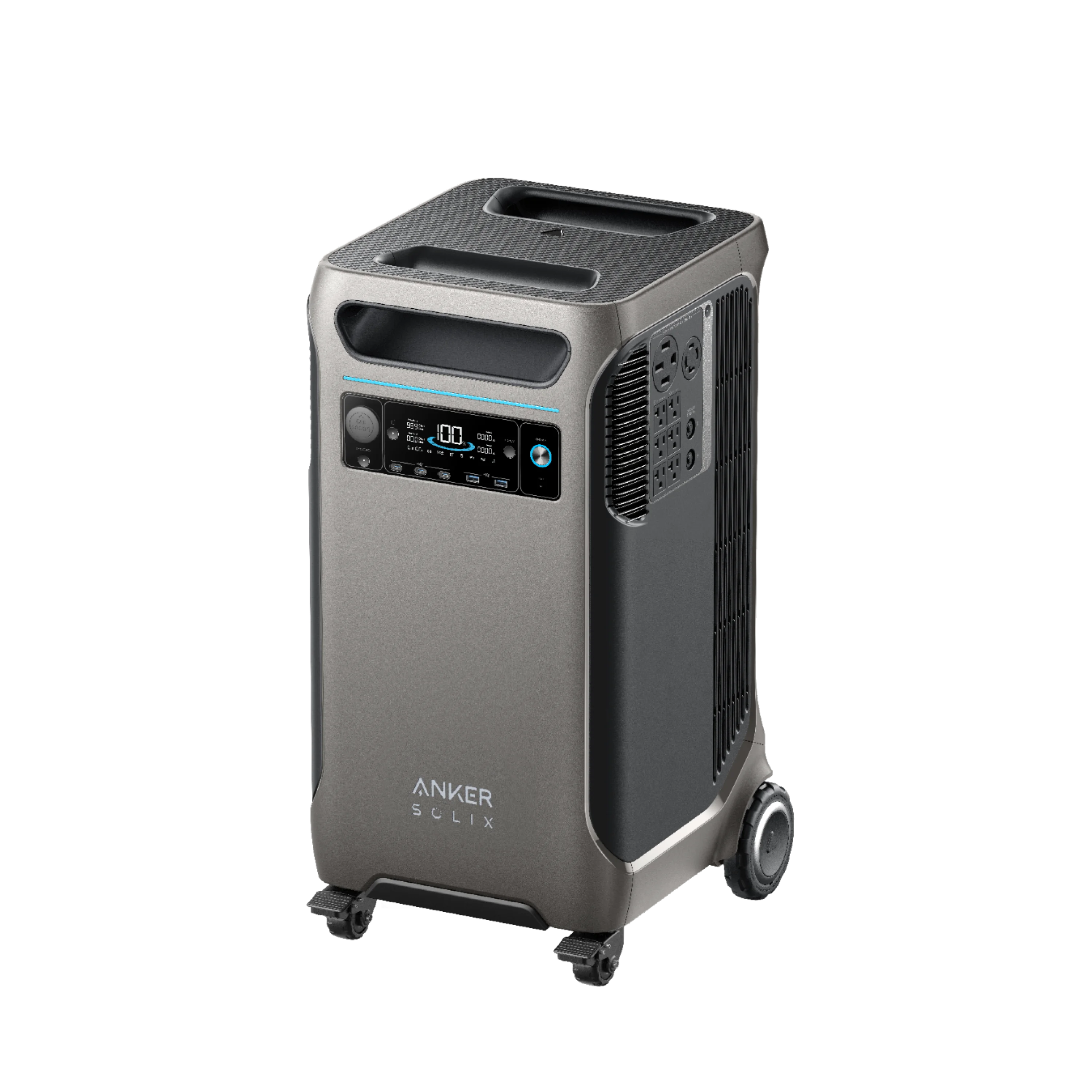
Anker
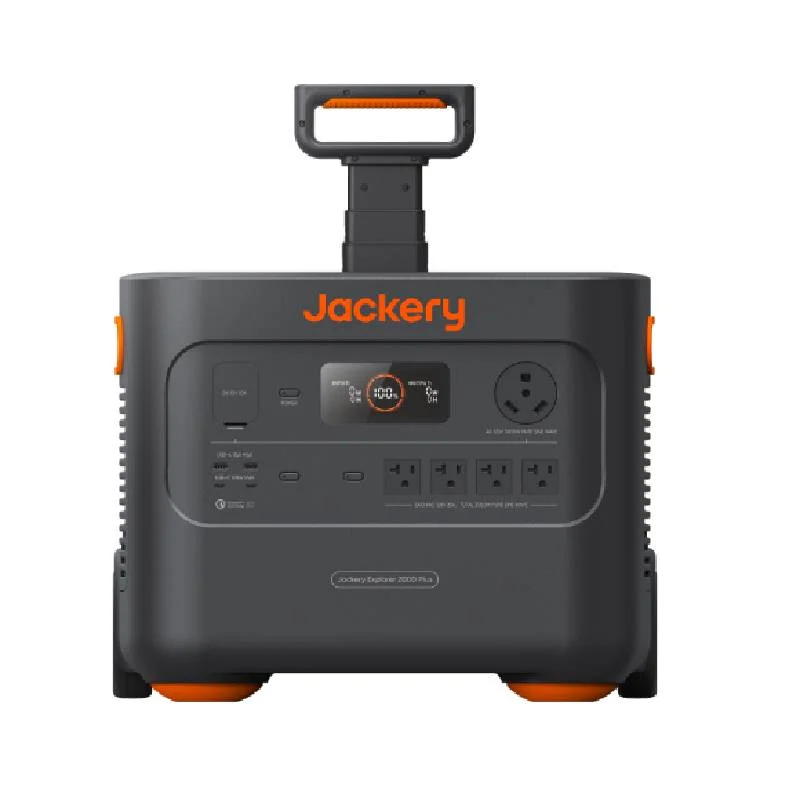
Jackery
Pecron
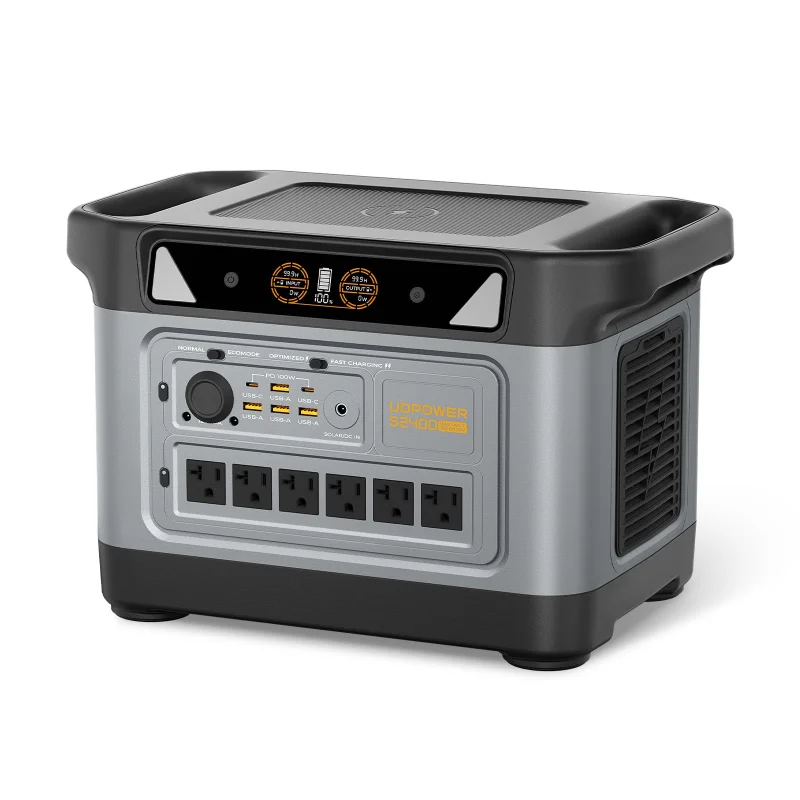
Udpower
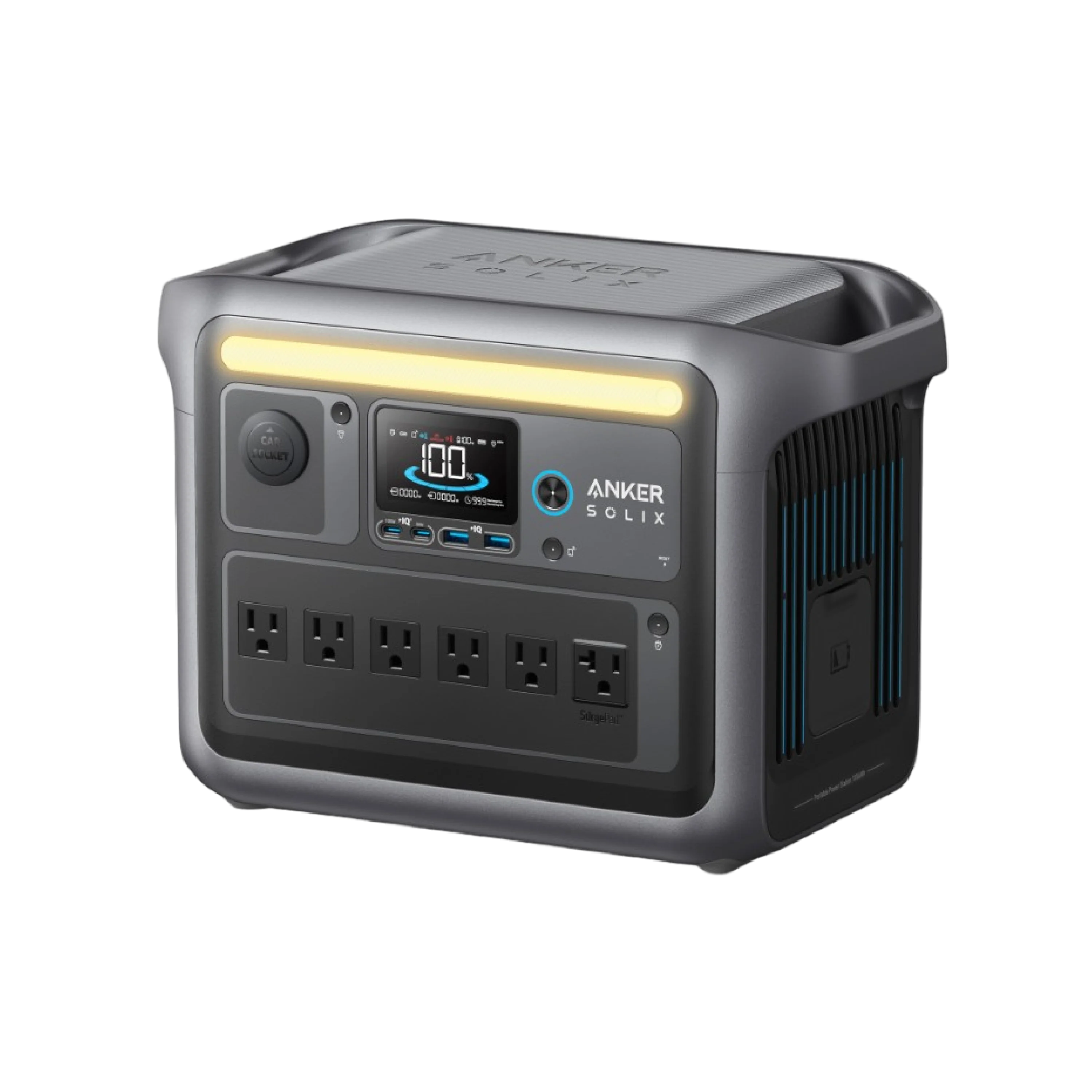
Anker
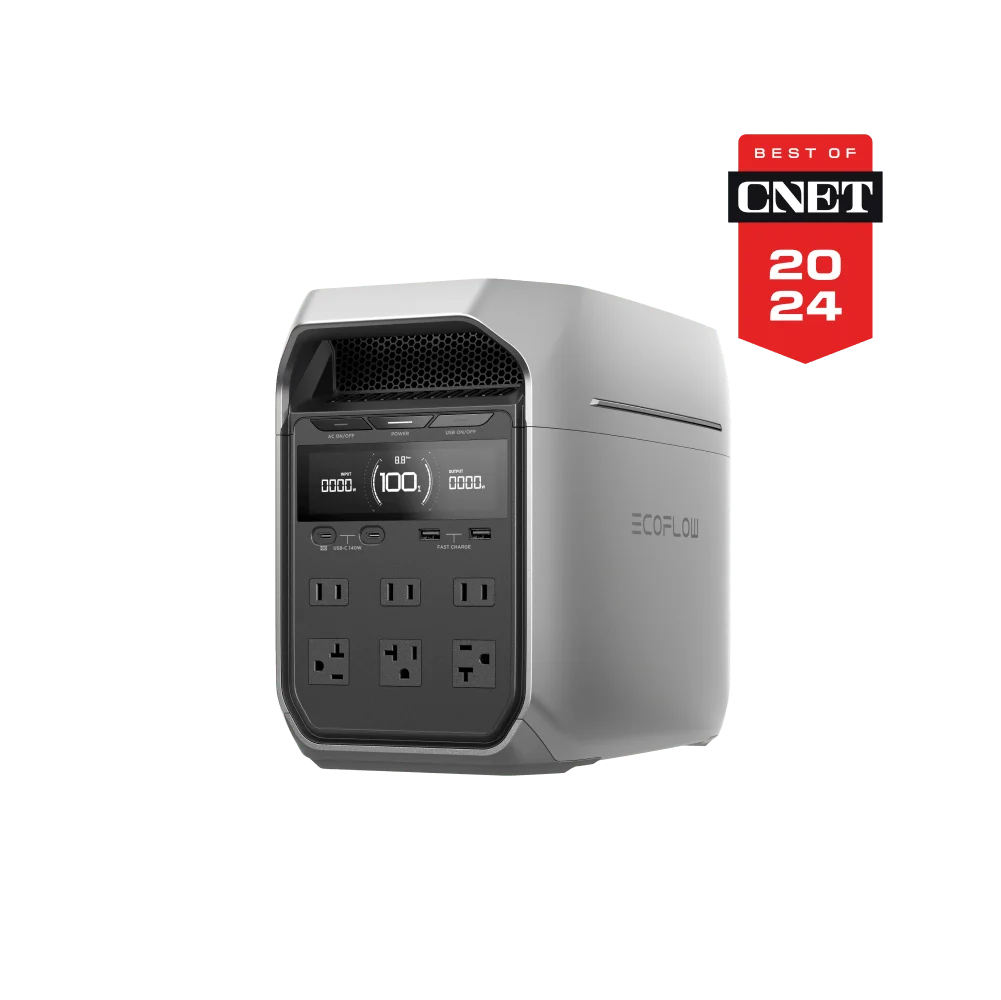
EcoFlow
Goal Zero
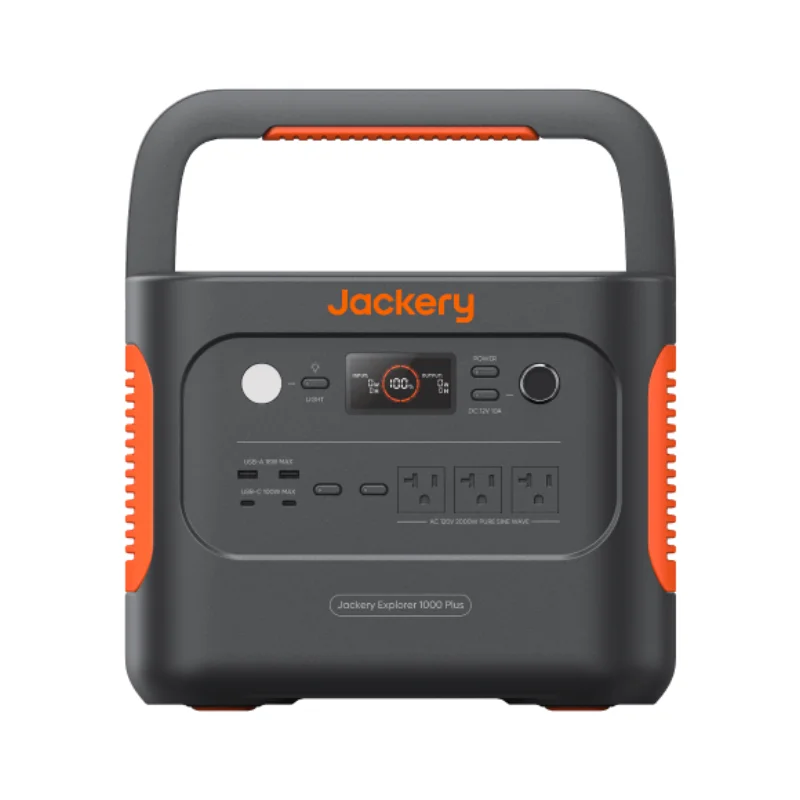
Jackery
Jackery
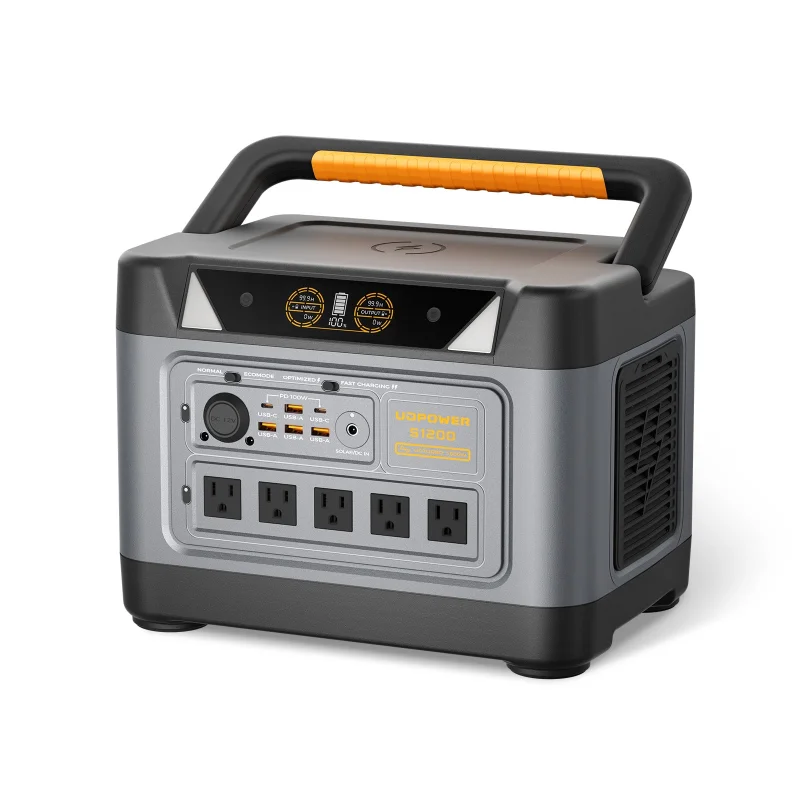
Udpower
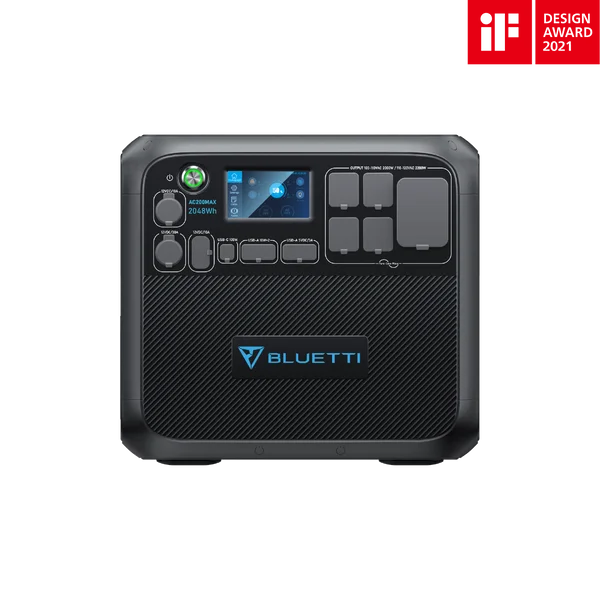
BLUETTI
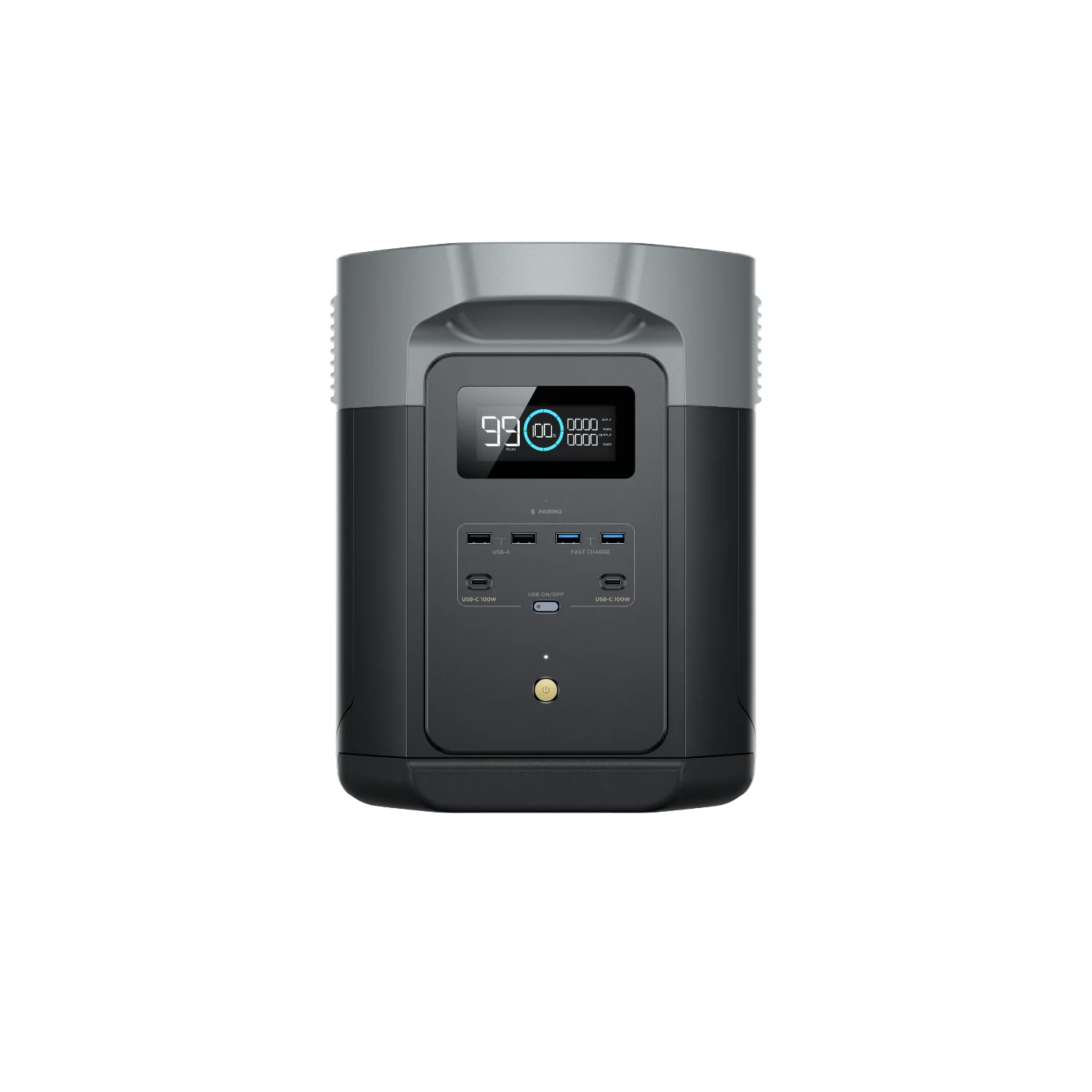
EcoFlow
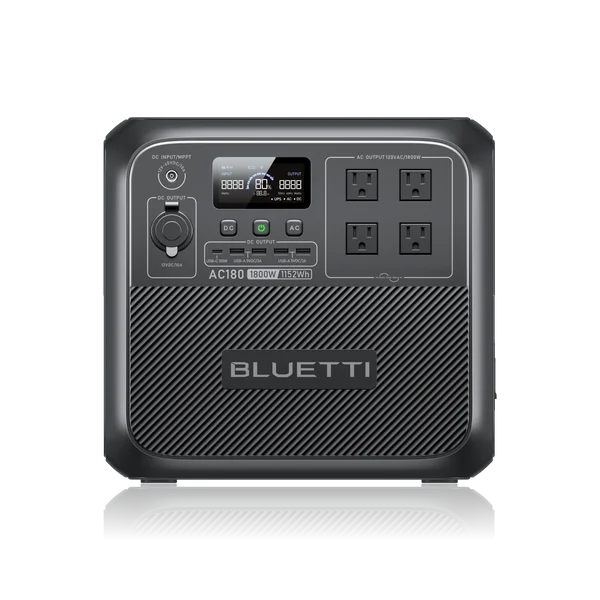
BLUETTI
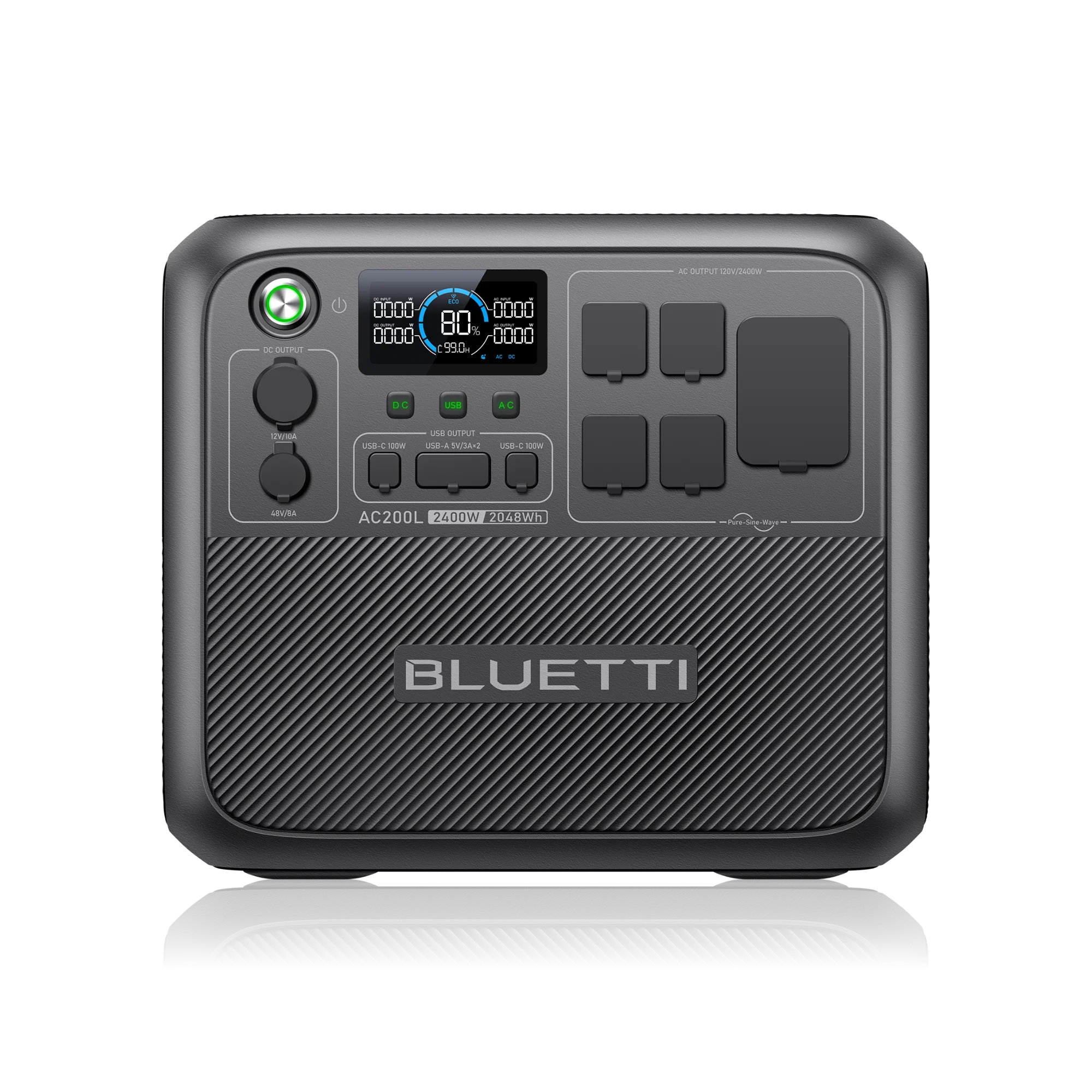
BLUETTI
BLUETTI
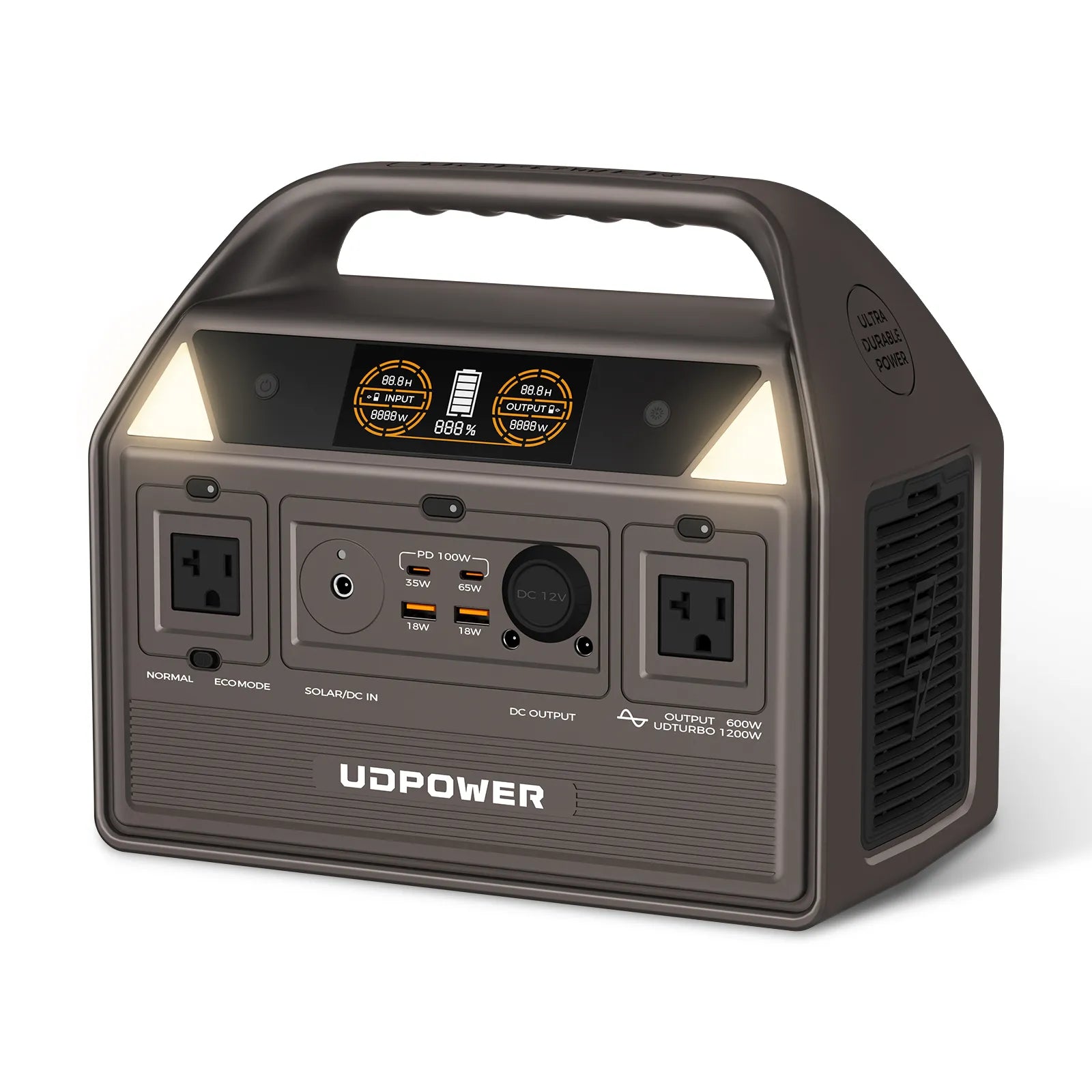
Udpower
DJI
EcoFlow
Goal Zero
Jackery
Jackery
Jackery
Jackery
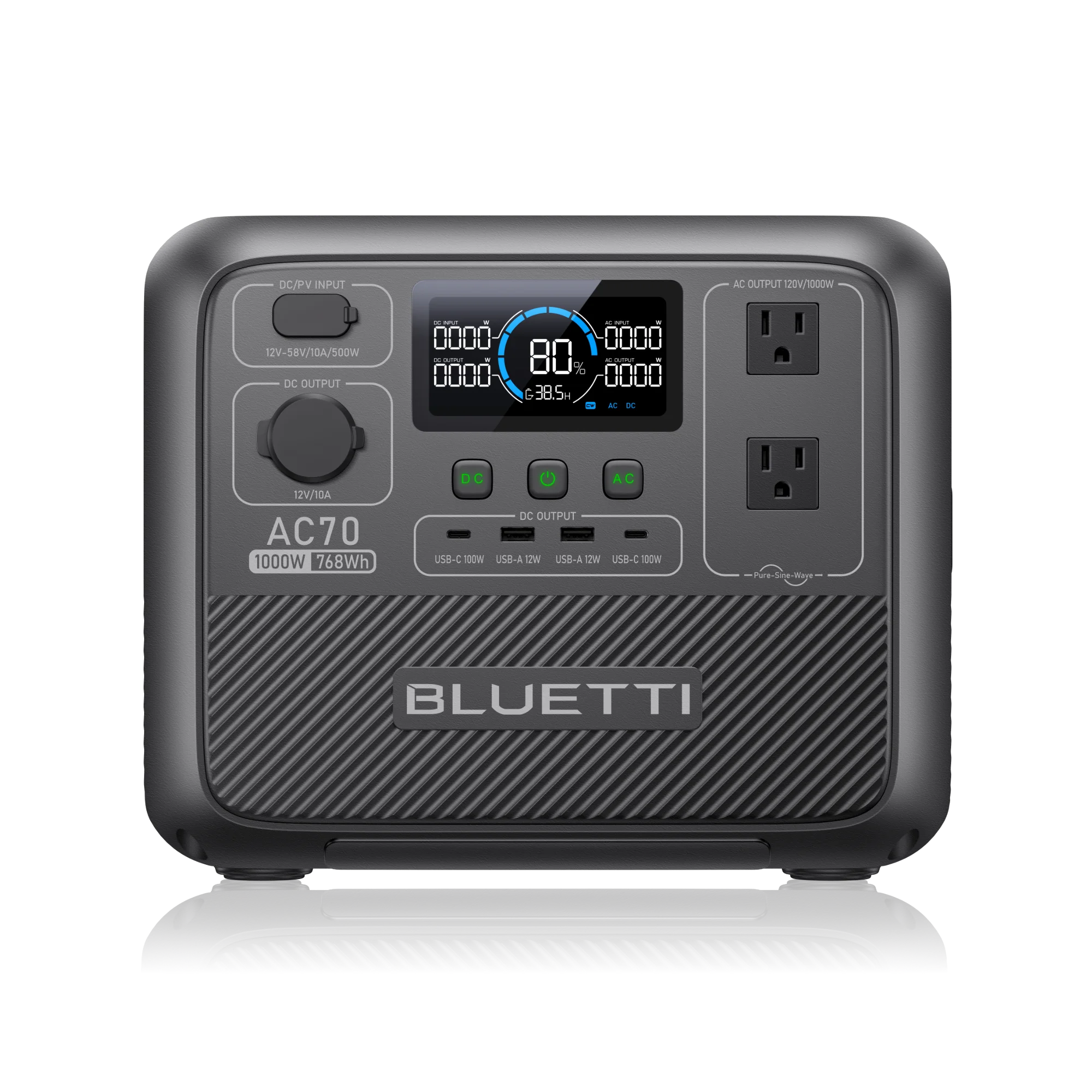
BLUETTI
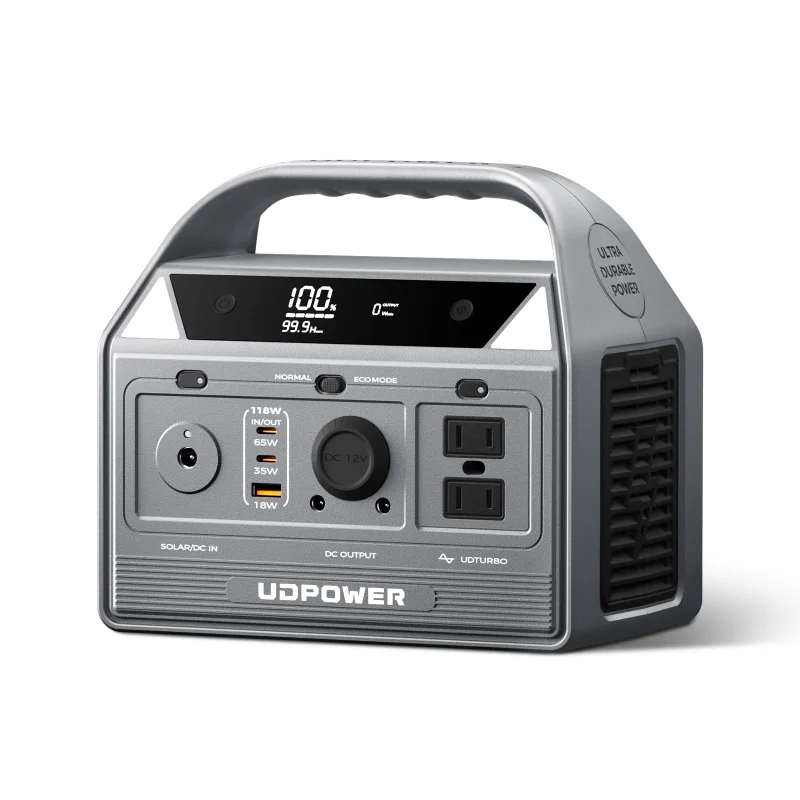
Udpower
EcoFlow
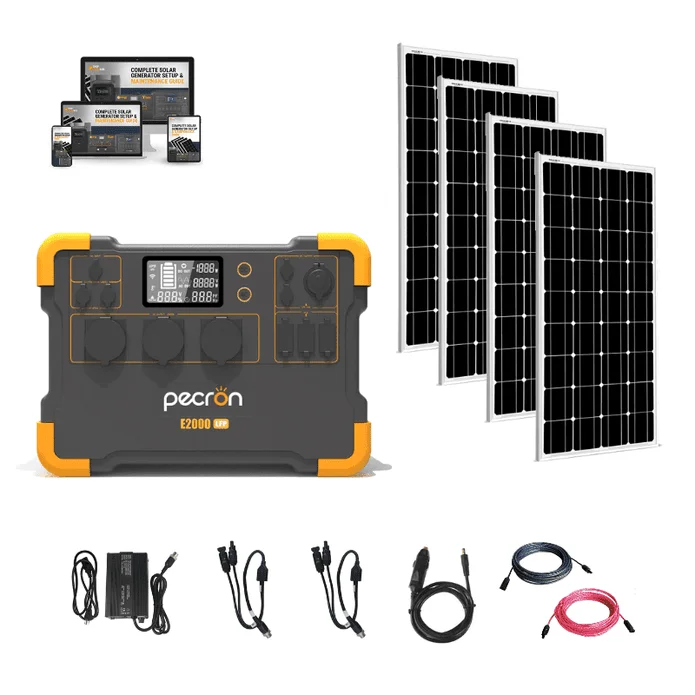
Pecron

Anker
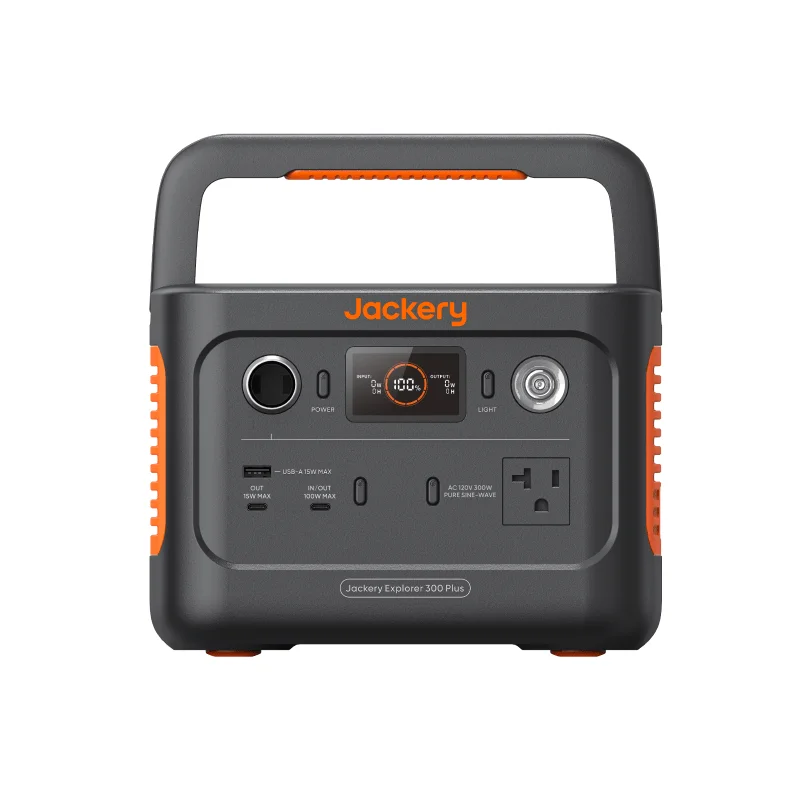
Jackery
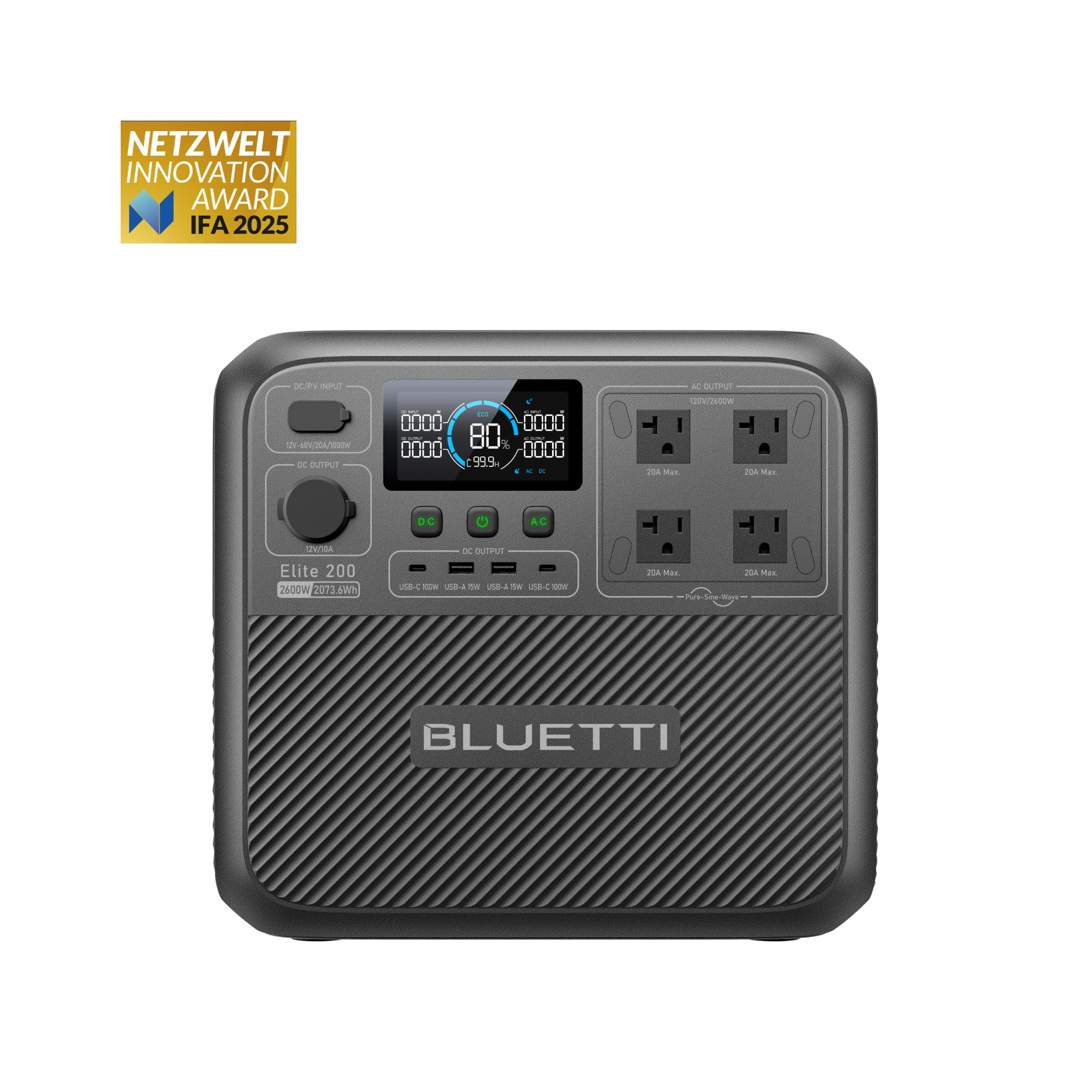
BLUETTI
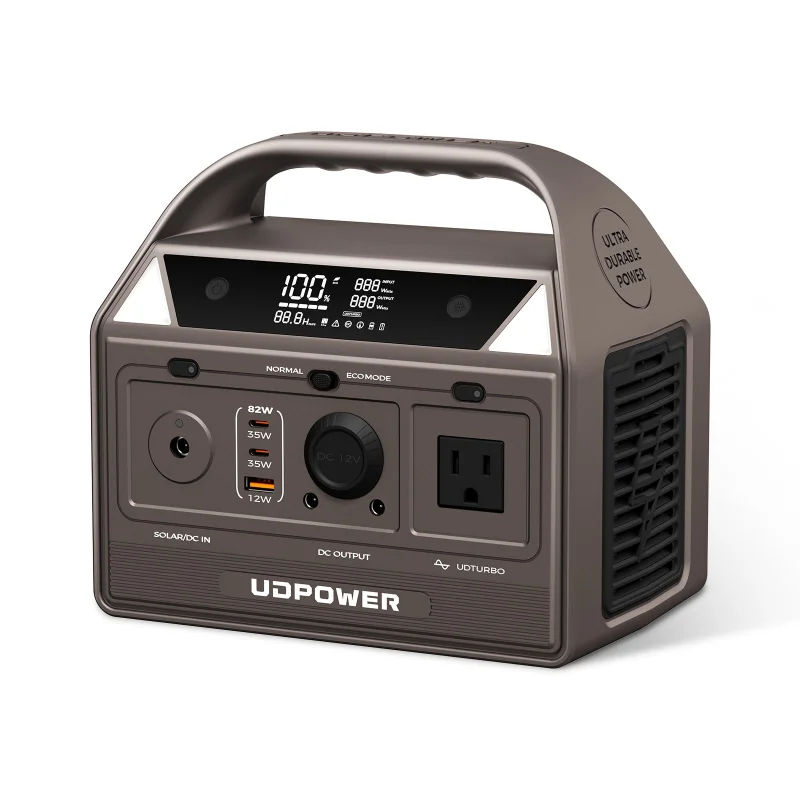
Udpower
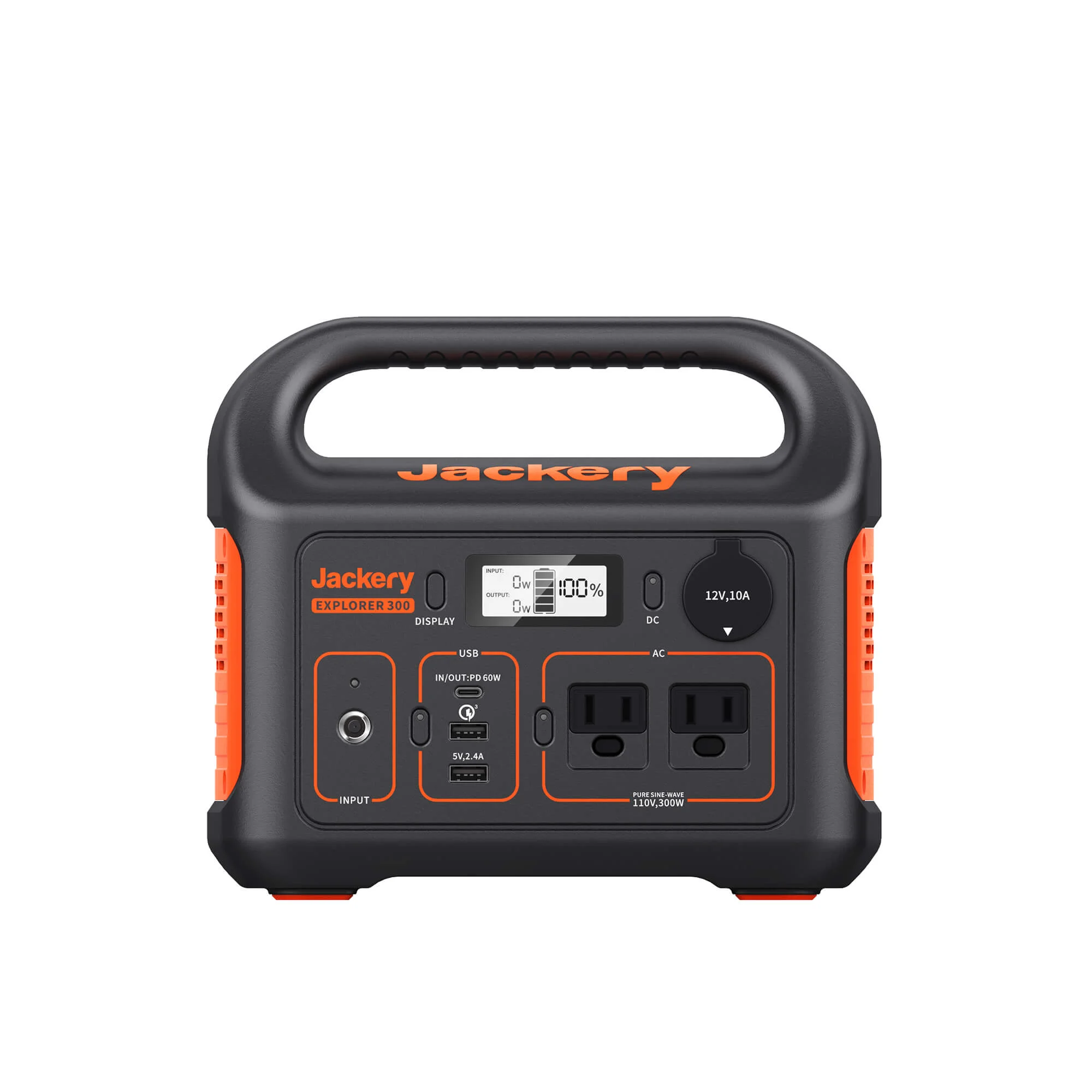
Jackery
When you're boondocking without shore power, your power station becomes your lifeline. You need enough capacity to run a 12V fridge, charge devices, and power lights for multiple days between charges.
When the grid goes down, these power stations keep your fridge, lights, and medical devices running. For serious backup, you need 2,000Wh+ capacity and enough output to handle your fridge's compressor surge.
Off-grid cabin life demands reliable, expandable power that can grow with your needs. LiFePO4 battery chemistry with 3,000+ cycle life is essential for daily use over years.
You want enough juice to run a 12V fridge, charge devices, and maybe run a CPAP — without breaking your back loading it into the truck.
Every ounce counts on the trail. These compact stations keep your GPS, phone, and headlamp charged without weighing you down.
Running a CPAP while camping or during outages requires a power station with pure sine wave output, enough capacity for 8+ hours of use, and quiet operation. Most CPAPs draw 30-60W, so even a small station can run one all night — but you need to size for heated humidifiers (up to 100W) if you use one.
Food trucks and mobile vendor setups need high continuous output (2,000W+) to run commercial equipment like griddles, blenders, and refrigeration. Expandable LiFePO4 systems with solar input let you operate without a noisy generator.
Working remotely from a van, cabin, or campsite means keeping laptops, monitors, and routers powered all day. A 500-1,000Wh station handles most remote work setups for a full workday, with solar for multi-day trips.
Tailgate parties need power for TVs, speakers, blenders, electric grills, and phone charging. A mid-range station (500-1,500Wh) handles game day without the noise and fumes of a generator.
You don't need to spend a fortune to get reliable portable power. The best stations under $500 deliver solid LiFePO4 battery life, enough capacity for weekend camping trips, and enough output to charge devices, run a CPAP, or power small appliances. These budget picks punch well above their price point.
The sub-$1,000 sweet spot is where you find the best balance of capacity, output, and features. These mid-range power stations offer 700–1,100Wh of LiFePO4 storage, fast charging, and enough wattage to run most small appliances — making them ideal for car camping, tailgating, and light RV use.
Under $2,000 gets you into serious power territory — 1,500Wh to 2,000Wh+ capacity, 2,000W+ output, and features like expandable battery packs and 30A RV plugs. These stations handle extended boondocking, home backup during short outages, and powering full-size appliances at reasonable prices.
Whole-home backup means running your furnace, well pump, refrigerator, and lights at once, often through 240V split-phase circuits. You need 3,000Wh or more of expandable LiFePO4 capacity and high continuous output to bridge multi-day grid outages.
Some appliances, such as deep well pumps, electric dryers, and many mini-split systems, require true 240V split-phase power. These flagship stations pair two 120V legs for a genuine 240V output, so you can run hardwired home loads off-grid or during an outage.
Under $3,000 buys the 2026 flagship tier: 3,000Wh to 3,600Wh of LiFePO4 capacity, 3,000W-plus output, and full home-backup features like 240V split-phase and large solar input. These stations bridge the gap between portable units and permanent home battery systems.
Jobsite power takes abuse from dust, rain, drops, and vibration. Rugged stations add IP-rated enclosures, reinforced housings, and high surge output to start power tools and compressors, so your crew keeps working away from grid power.