1
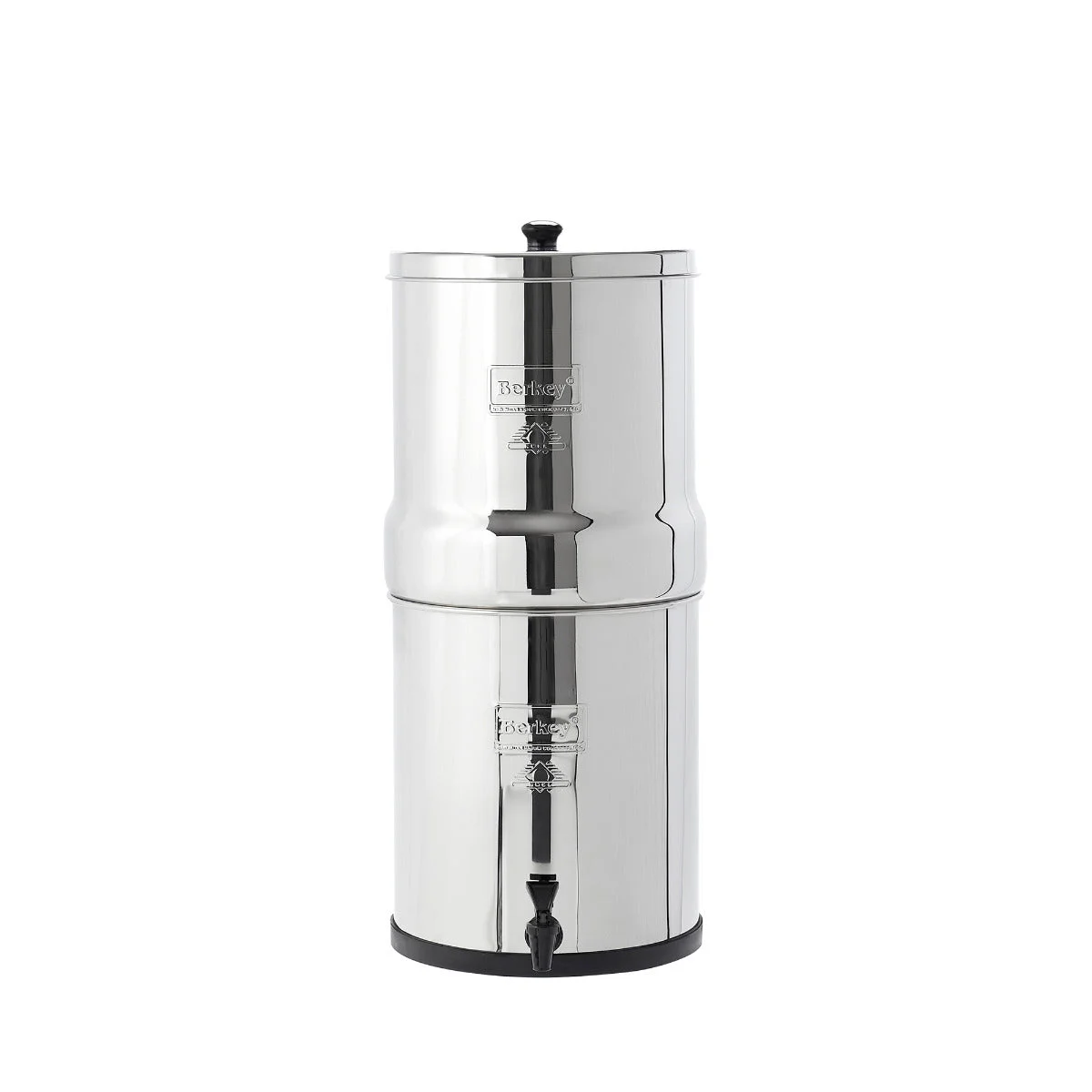
Gravity-fed water filters require no electricity, no pumping, and no plumbing — just fill the top chamber and let gravity pull clean water into the bottom. Below: our ranked top picks, followed by how gravity filtration works and who should rely on it.
Ranked by overall score from our independent testing methodology. Click any card for the full review.
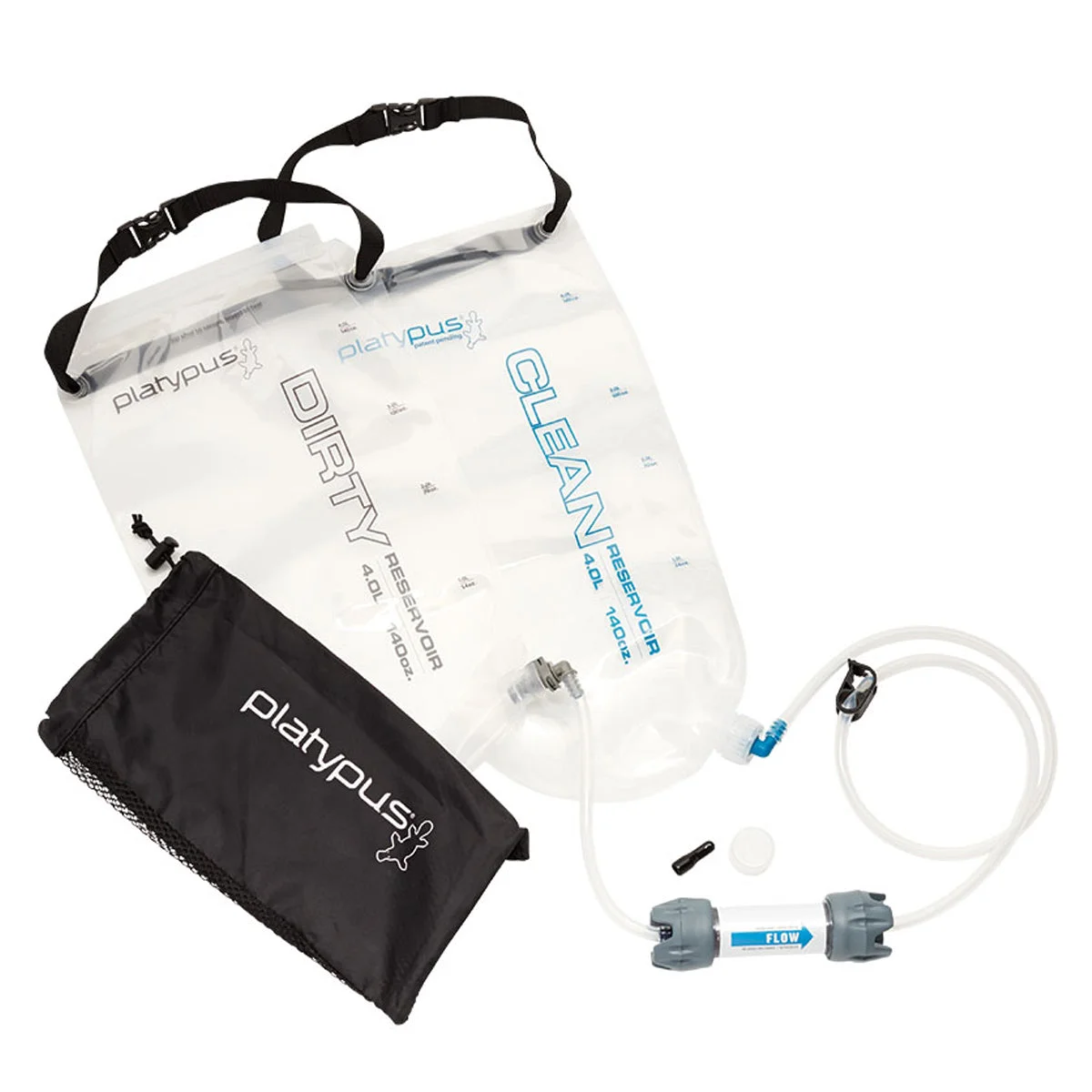
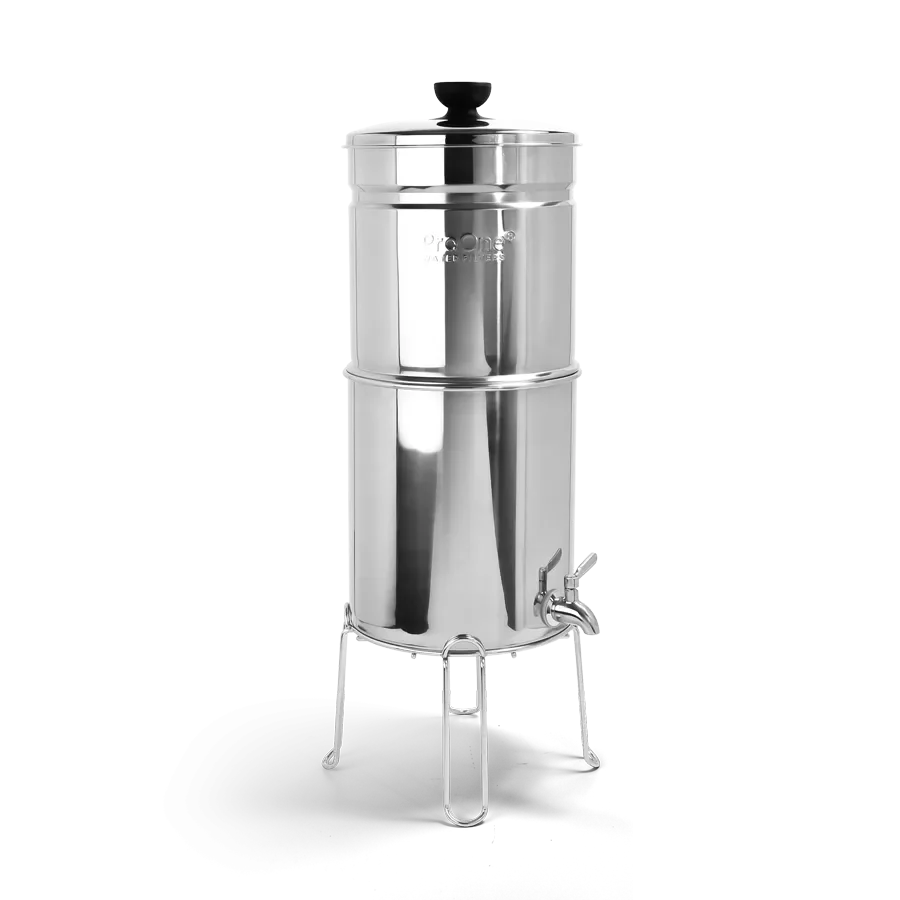
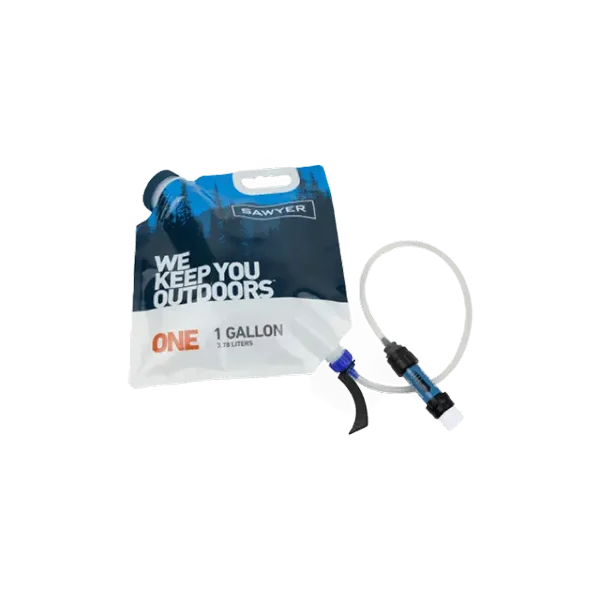
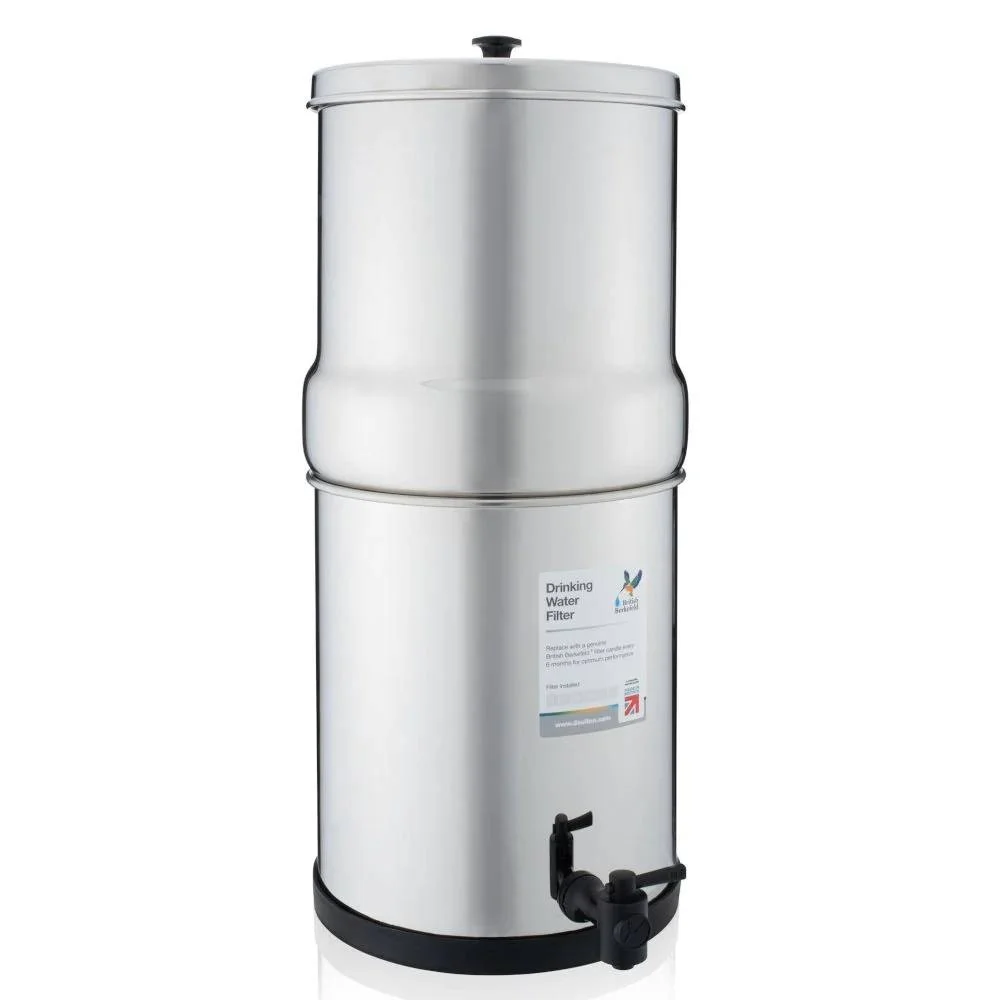
Doulton
| Spec | Big Berkey Gravity Water Filter | Platypus GravityWorks 4L Water Filter System | ProOne Big+ Gravity Water Filter | Sawyer Complete 4L Gravity Water Filter System | British Berkefeld/Doulton Gravity Water Filter |
|---|---|---|---|---|---|
| Our Score | 8.8/10 | 8.6/10 | 8.5/10 | 8.4/10 | 8.3/10 |
| Price | $280 | $120 | $280 | $50 | $250 |
| Reservoir Capacity | 2.25 gal | — | 3 gal | — | 2.25 gal |
| Filter Life | 6,000 gal | 396 gal | 1,000 gal | 26,417 gal | 400 gal |
| Flow Rate | 3.5 gph | — | 2.75 gph | — | 2 gph |
| Filter Type | gravity | hollow fiber membrane gravity | gravity | hollow fiber membrane gravity | gravity |
| Virus Removal | Yes | No | No | No | Yes |
| Needs Power | No | No | No | No | No |
A gravity filter is elegantly simple. The system consists of two stacked chambers — an upper reservoir and a lower collection tank. You pour untreated water into the top chamber. Gravity slowly draws the water downward through one or more filter elements seated in the partition between the chambers.
As water passes through the filter element, contaminants are physically trapped by the microscopic pore structure of the ceramic or carbon media. Pore sizes of 0.2 to 0.5 microns block bacteria like E. coli and Salmonella as well as protozoan cysts like Giardia and Cryptosporidium. Activated carbon layers adsorb chemical contaminants including chlorine, pesticides, and volatile organic compounds. For a full breakdown, see our gravity filter primer.
The filtered water collects in the lower chamber and is dispensed through a spigot. No batteries, no moving parts, no waste water. The entire process is silent and can run continuously as long as the upper chamber is refilled.