1
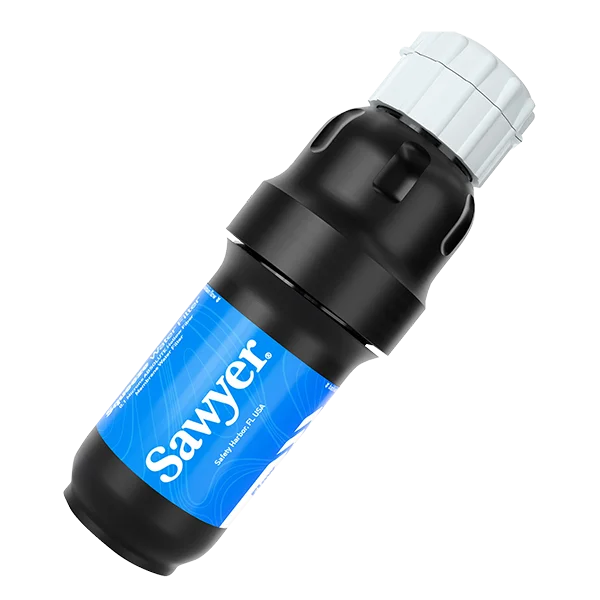
Squeeze water filters are the go-to for backpackers and thru-hikers — 2–3 ounces in your pocket, a liter of clean water in under a minute, hundreds of thousands of gallons of filter life. Below: our ranked top picks.
Ranked by overall score from our independent testing methodology. Click any card for the full review.
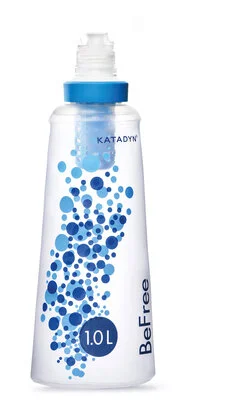
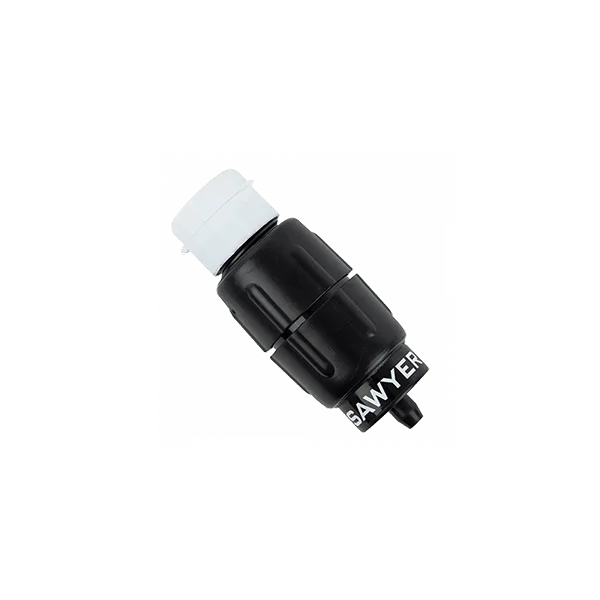
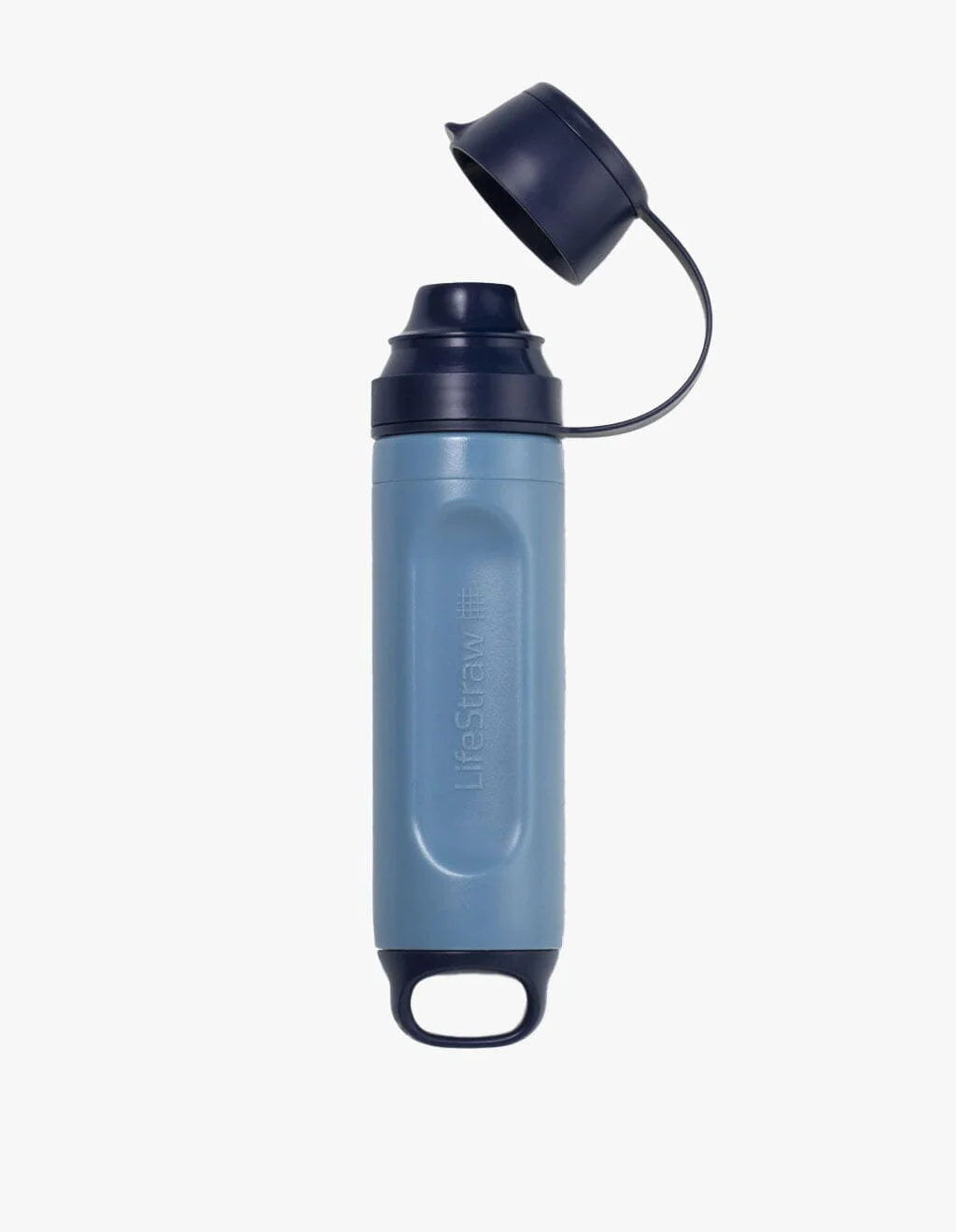
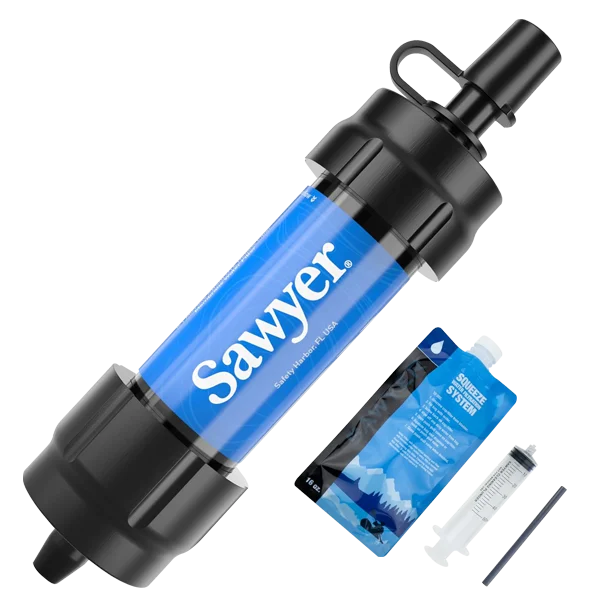
| Spec | Sawyer Squeeze Water Filter | Katadyn BeFree Water Filter | Sawyer Micro Squeeze Water Filter | LifeStraw Peak Series Solo | Sawyer Mini Water Filter |
|---|---|---|---|---|---|
| Our Score | 9.0/10 | 8.5/10 | 8.2/10 | 7.8/10 | 7.5/10 |
| Price | $30 | $40 | $30 | $22 | $20 |
| Filter Type | hollow fiber membrane | hollow fiber membrane | hollow fiber membrane | hollow fiber membrane | hollow fiber membrane |
| Filter Life | 26,417 gal | 264 gal | 100,000 gal | 528 gal | 100,000 gal |
| Flow Rate | 1.7 L/min | 2 L/min | 1.5 L/min | 2 L/min | 0.5 L/min |
| Weight | 3 oz | 2.3 oz | 2 oz | 1.7 oz | 2 oz |
| Micron Rating | — | — | — | — | — |
| Virus Removal | No | No | No | No | No |
Squeeze filters use hollow-fiber membrane technology. The filter element contains thousands of tiny U-shaped tubes made from a porous polymer. Each tube has pores measuring 0.1 to 0.2 microns in diameter — small enough to physically block bacteria (typically 0.5 microns or larger) and protozoan cysts (typically 1 micron or larger).
You fill the included soft reservoir (or a compatible water bottle) with source water and thread the filter onto the opening. Squeezing the reservoir creates pressure that forces water through the hollow fibers. Clean water exits through the filter outlet into your bottle, hydration bladder, or directly into your mouth.
Over time, trapped particles accumulate on the fibers and reduce flow rate. Backflushing with clean water — pushing it in reverse through the filter with the included syringe — clears the buildup and restores performance. With proper maintenance, a single hollow-fiber element can last for the equivalent of 100,000 gallons or more. For a full breakdown see our filtration vs purification primer.