Wattage
Higher wattage means faster charging and more energy production. For rv roof mounting, look for at least 100W panels.

RV Roof Mounting
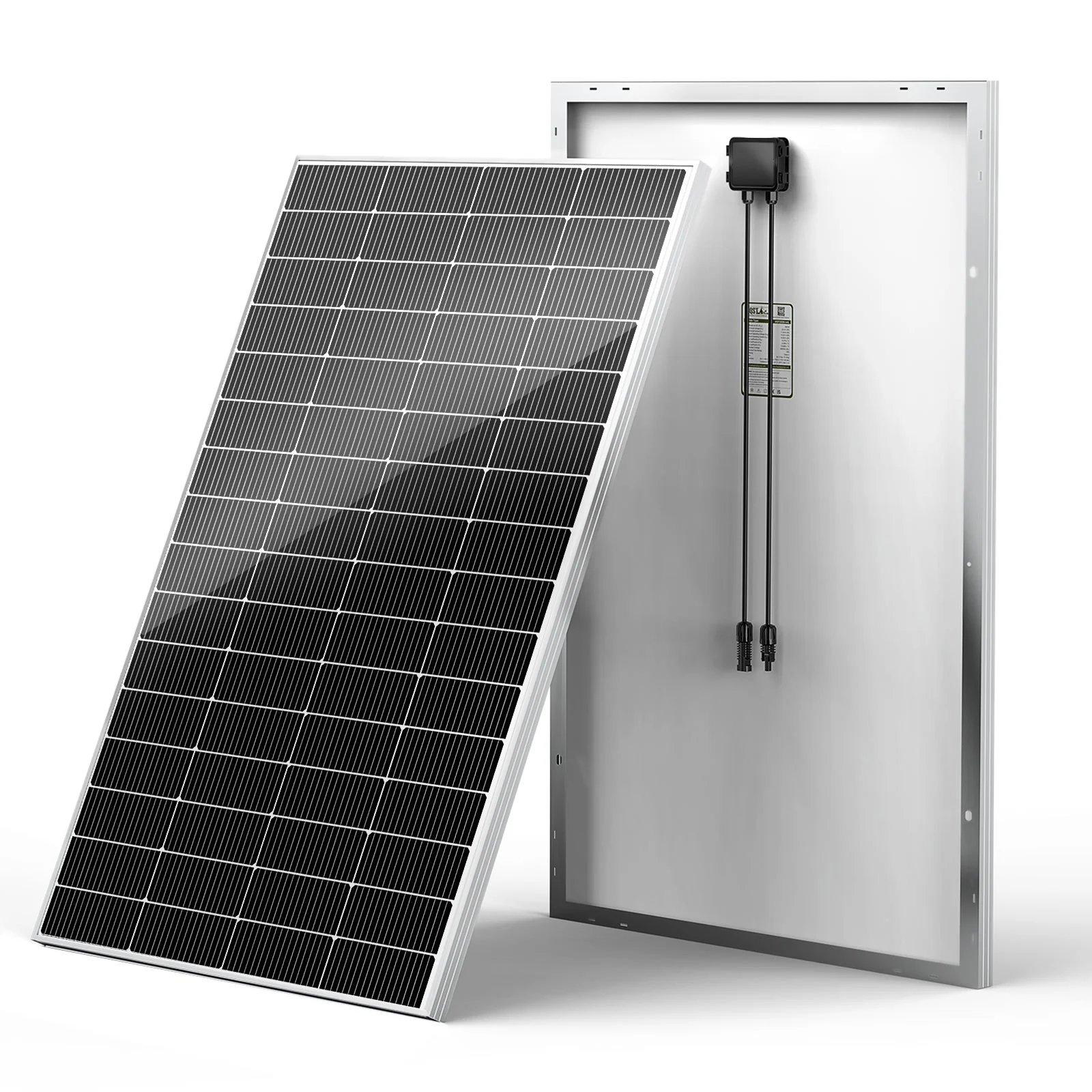
Rigid solar panels designed for permanent roof-mount installation on RVs and vans
Roof-mounted solar panels charge your house batteries while you drive and camp. For RV use, you need rigid panels with weatherproof ratings, pre-drilled mounting holes, and enough wattage to keep up with daily consumption.
Before comparing specific products, here are the key specs and features that matter most for rv roof mounting.
Higher wattage means faster charging and more energy production. For rv roof mounting, look for at least 100W panels.
Monocrystalline panels offer 20-22% efficiency and best performance in low light. Polycrystalline panels are cheaper but less efficient (15-17%). CIGS flexible panels are lightweight but less durable. Mono is the standard for off-grid.
Higher efficiency means more power per square foot. Premium panels hit 22-23%, while budget options hover around 18-20%. Higher efficiency matters most when mounting space is limited (RV roofs, small ground areas).
Panel weight affects portability and roof load. Foldable panels range from 10-25 lbs. Rigid roof-mount panels are 25-50 lbs each, so verify your roof can handle the total weight.
IP65 handles rain and dust. IP67 survives temporary submersion. IP68 is fully waterproof. For marine or harsh outdoor use, IP67+ is essential. For fair-weather camping, IP65 is sufficient.
Quality panels come with 5-25 year warranties. Longer warranty signals manufacturer confidence. For permanent installations, insist on 10+ year product warranty and 25-year performance guarantee.
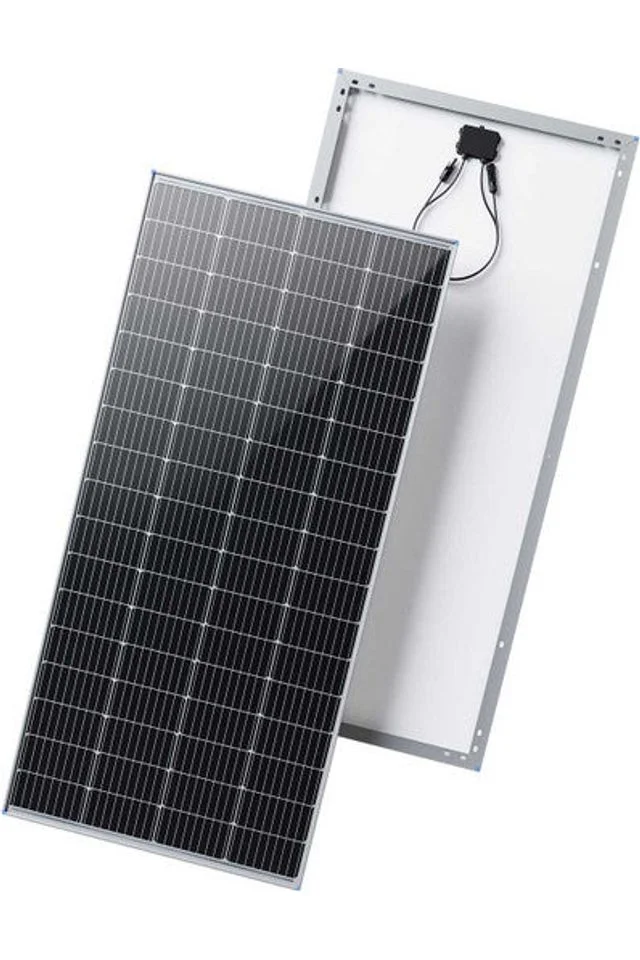
Renogy
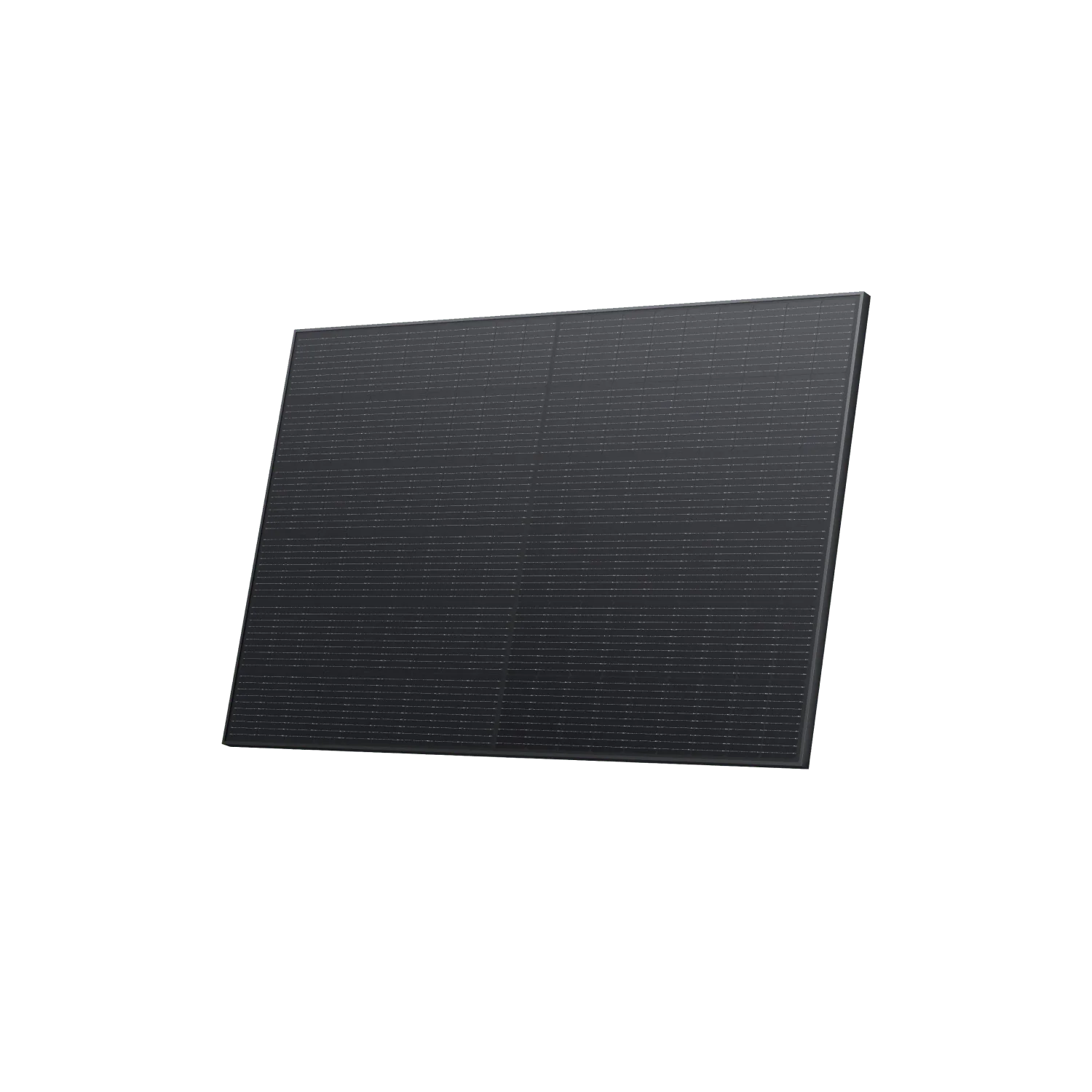

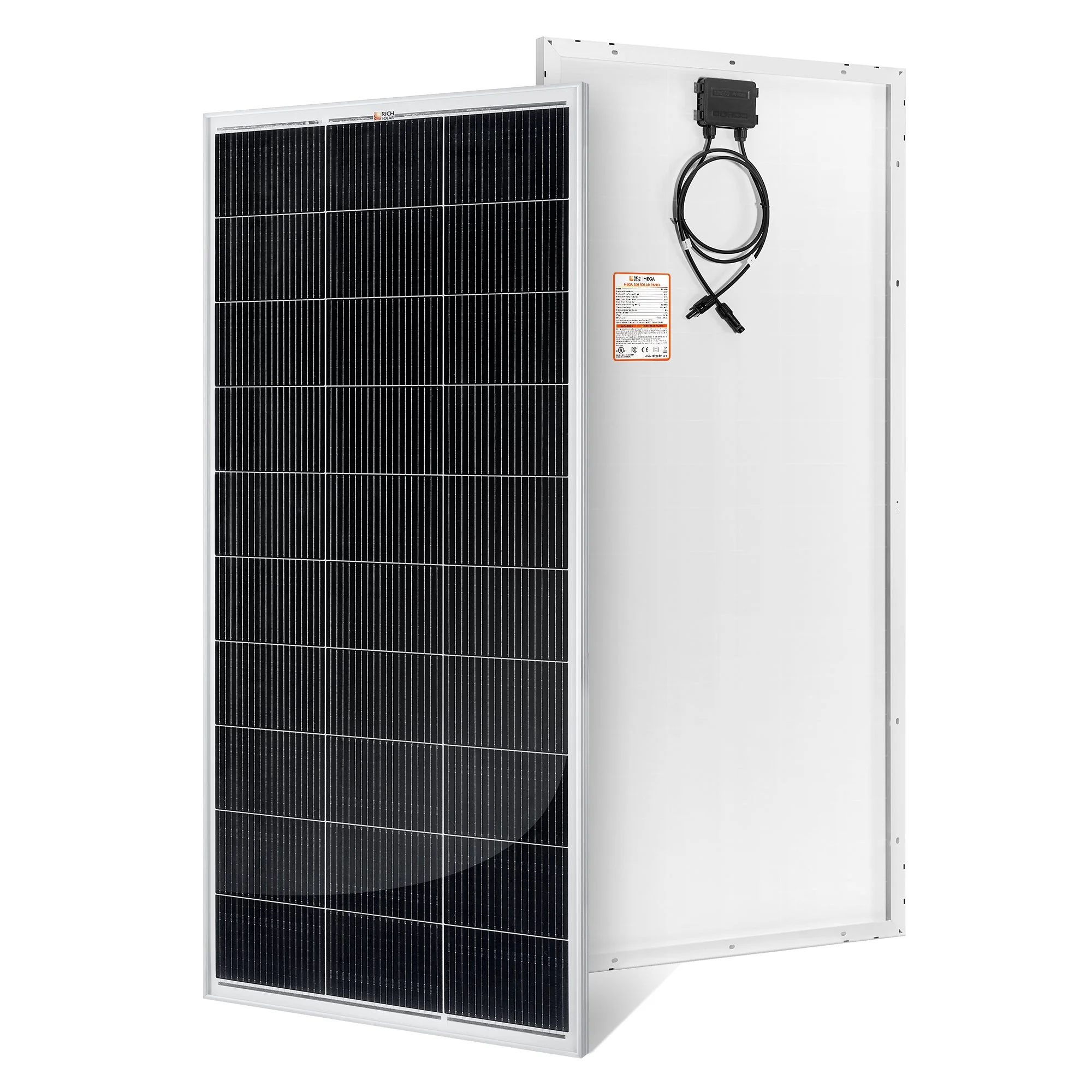
Rich Solar
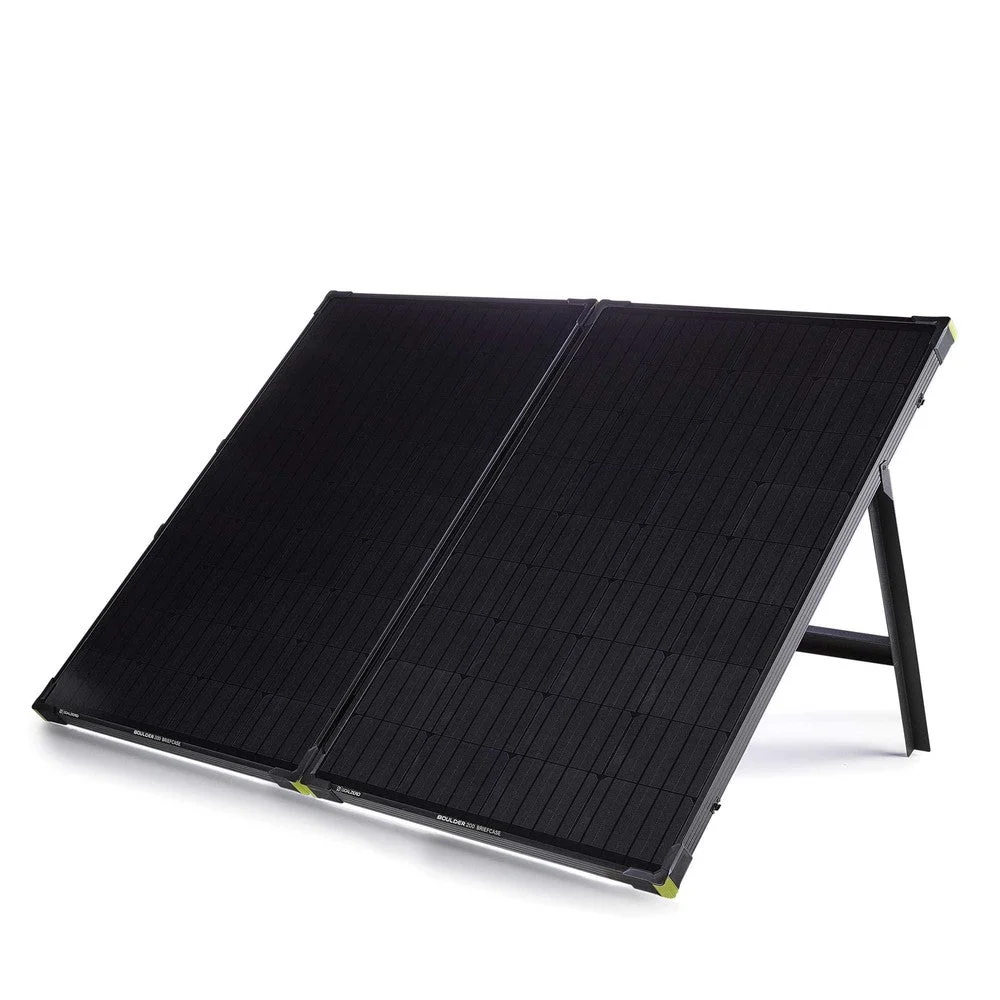
Goal Zero
HQST