1
Renogy
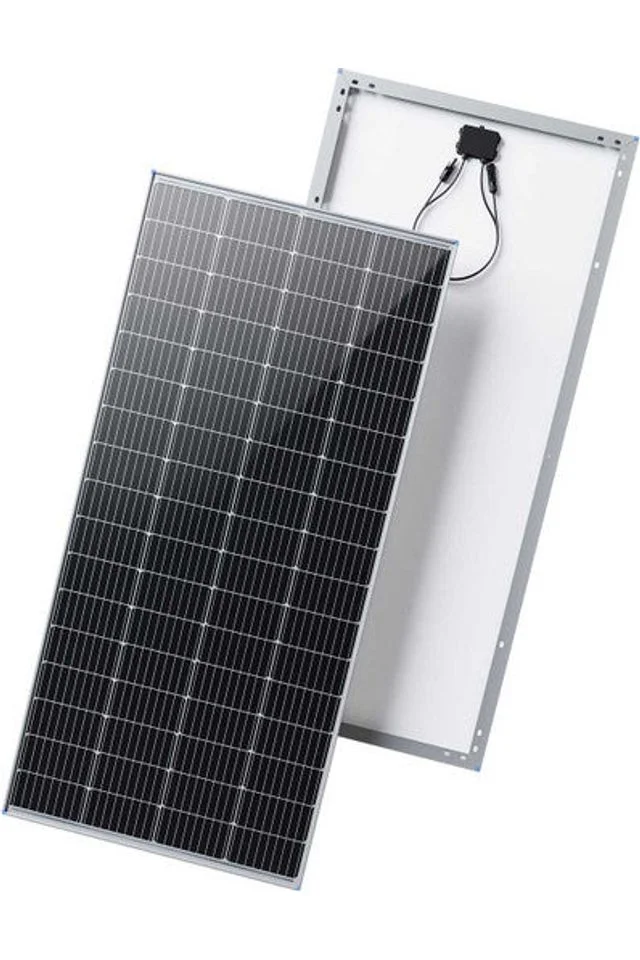
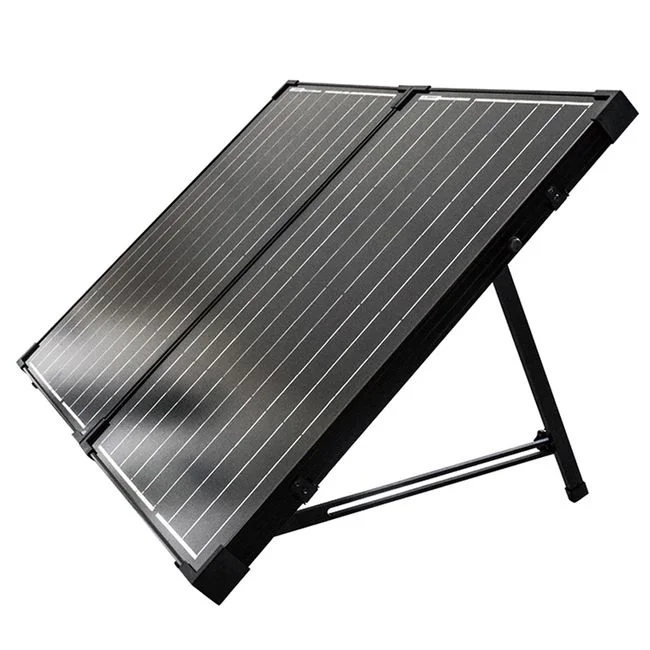
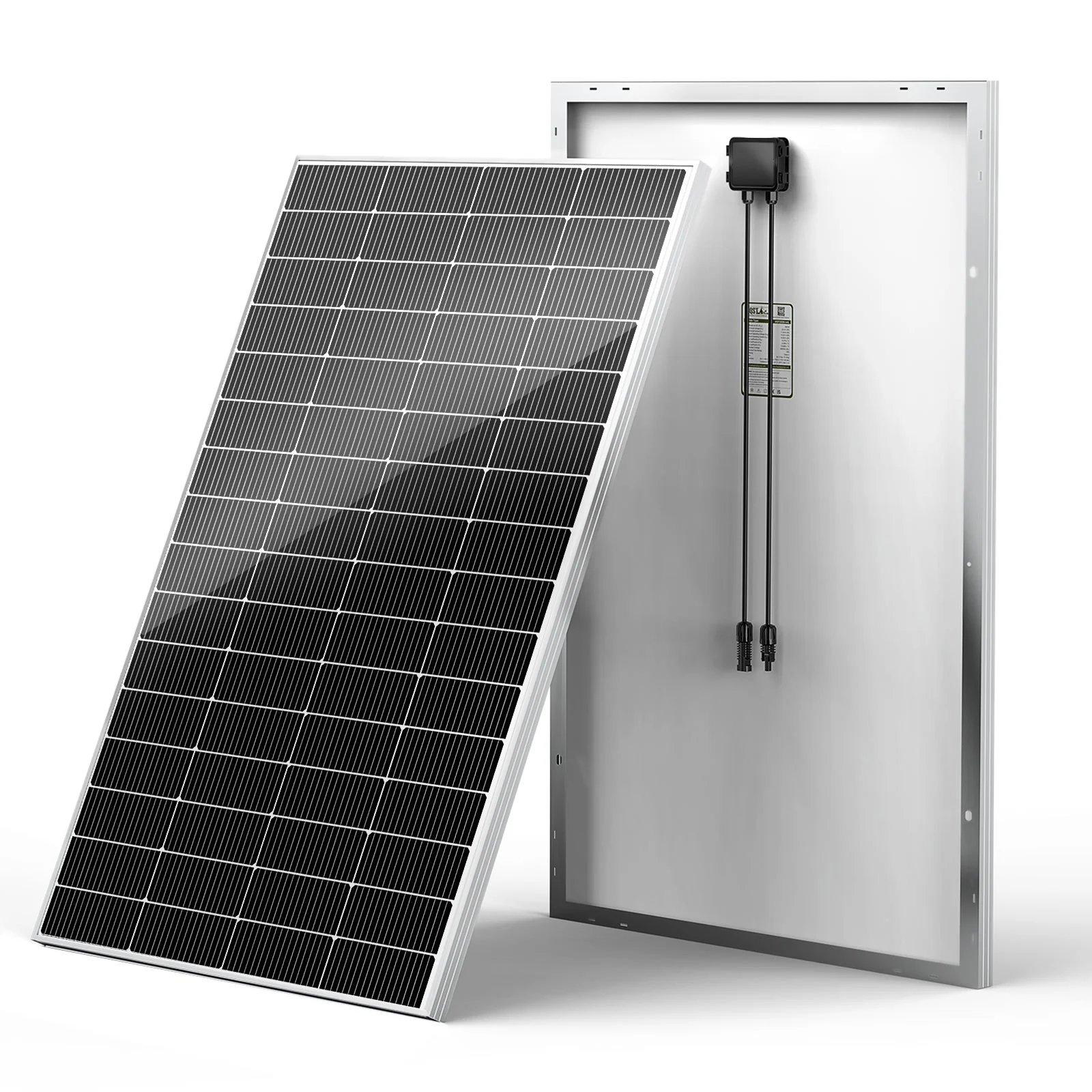
Renogy 200W 12V Monocrystalline Solar Panel
Weight
26.5 lbs
$170
$200
Save $30
Solar Panels
We test and compare the top portable and off-grid solar panels from Renogy, BLUETTI, EcoFlow, Jackery, and more — scored on efficiency, durability, value, and real-world charging performance.
See Our Award Winners & Ranked Picks
Editor's Choice, Best Portable, Best Rigid, Best Bifacial, and more.
Renogy
EcoFlow
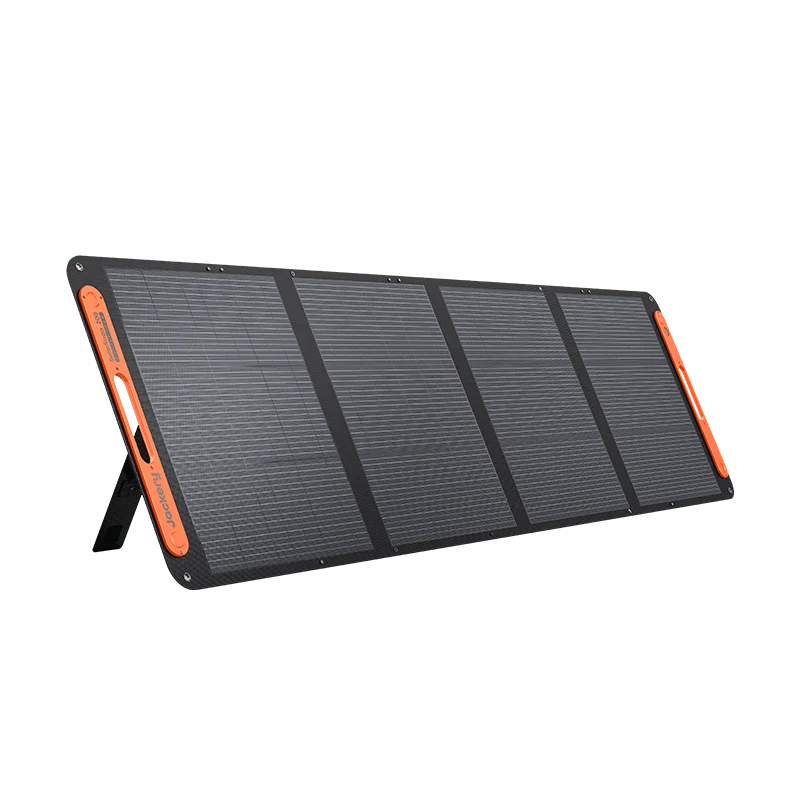
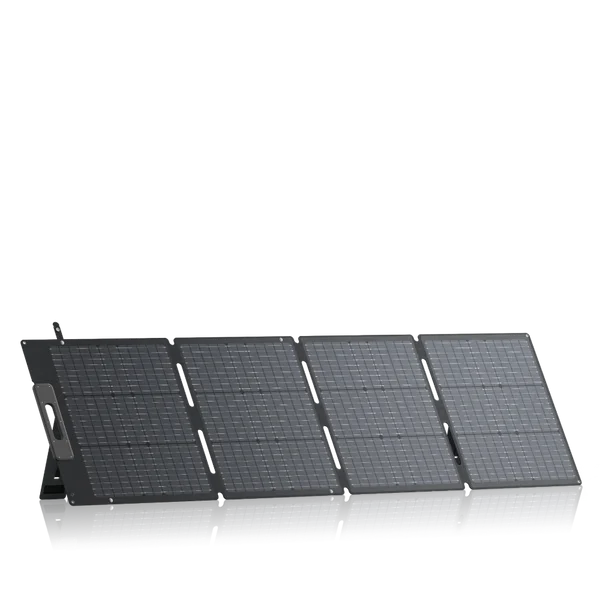
BLUETTI
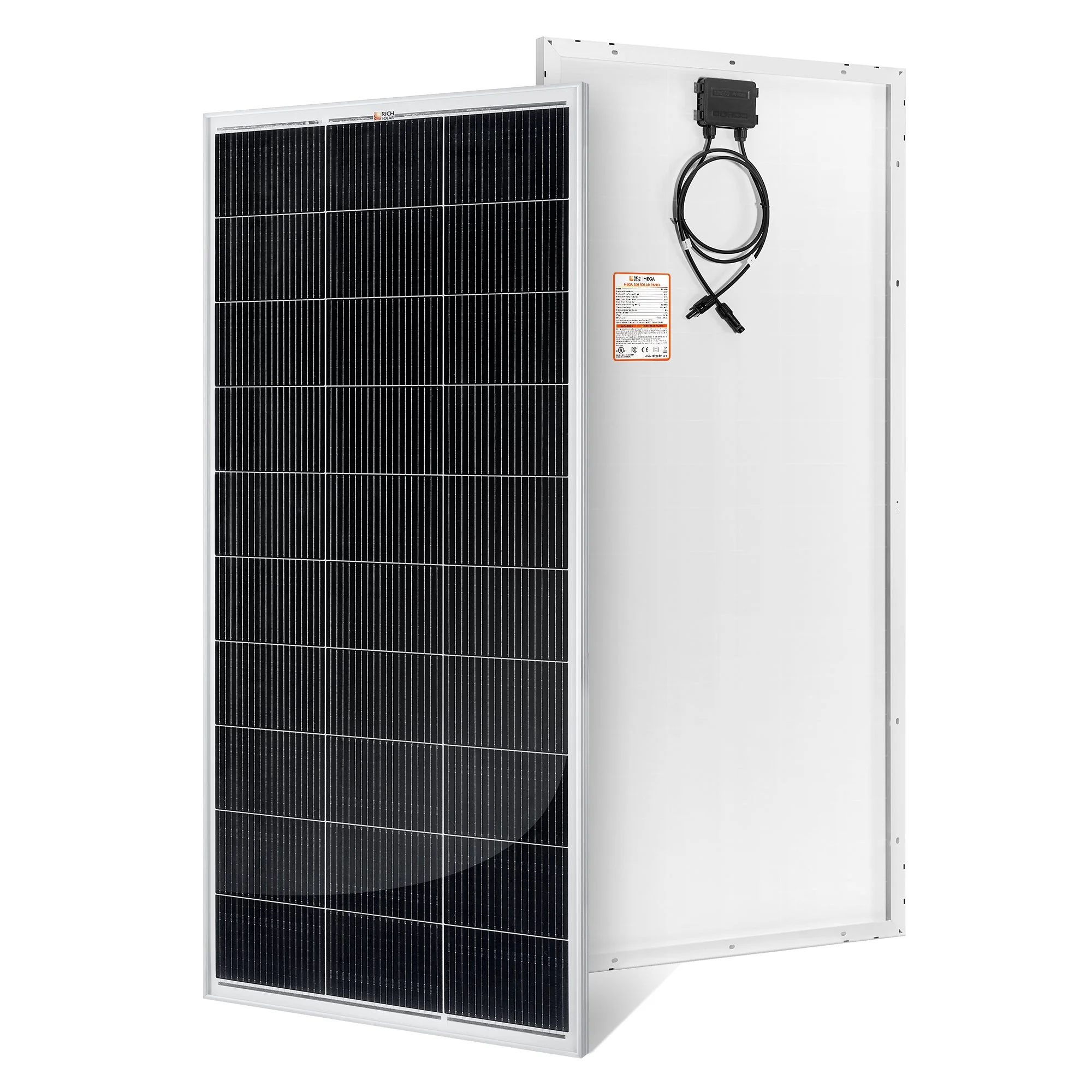
Rich Solar
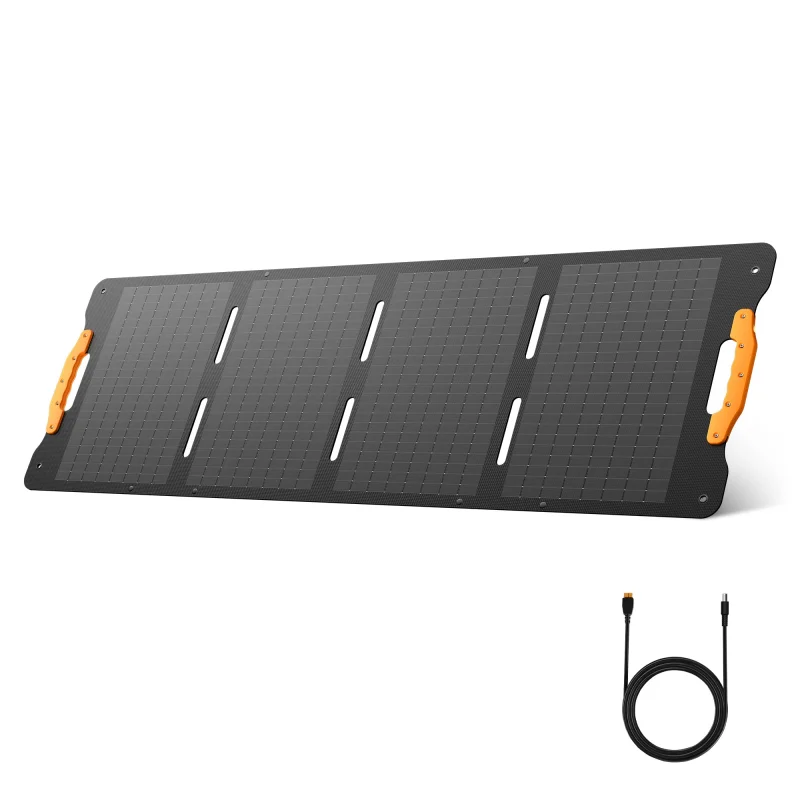
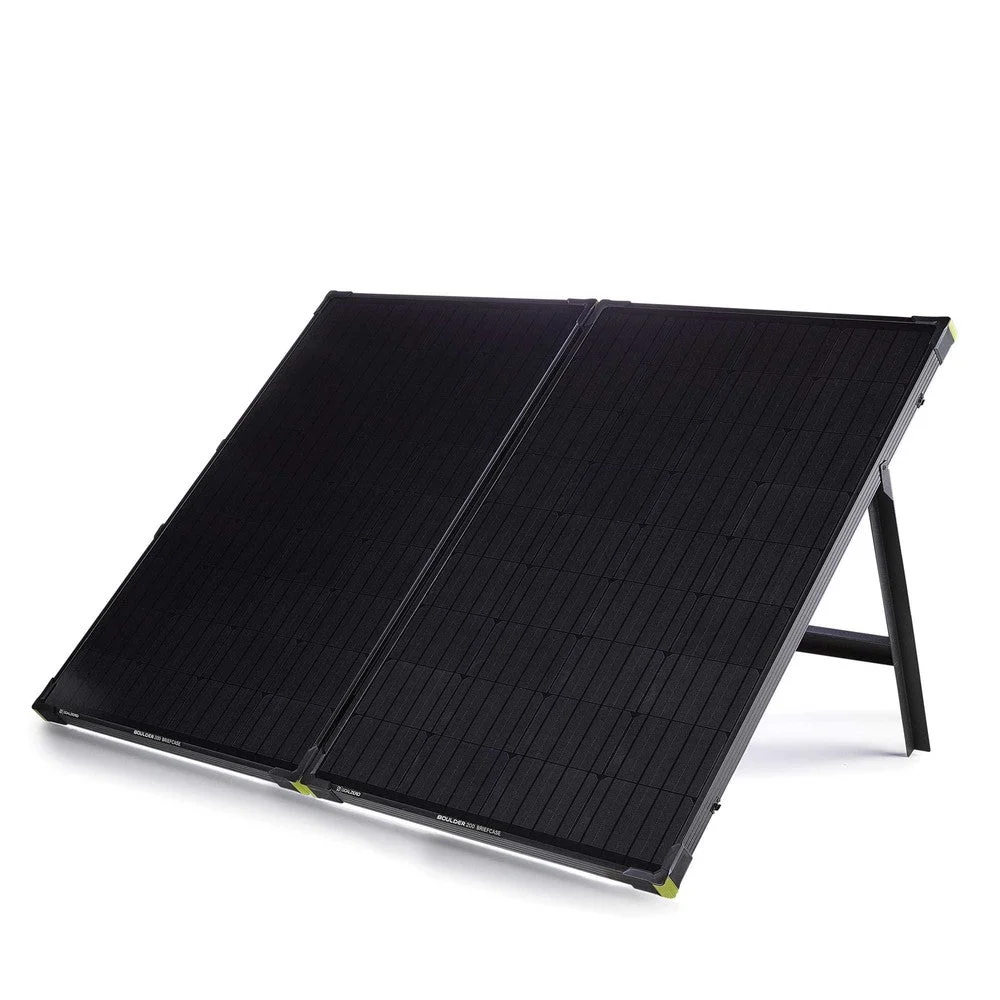
Goal Zero
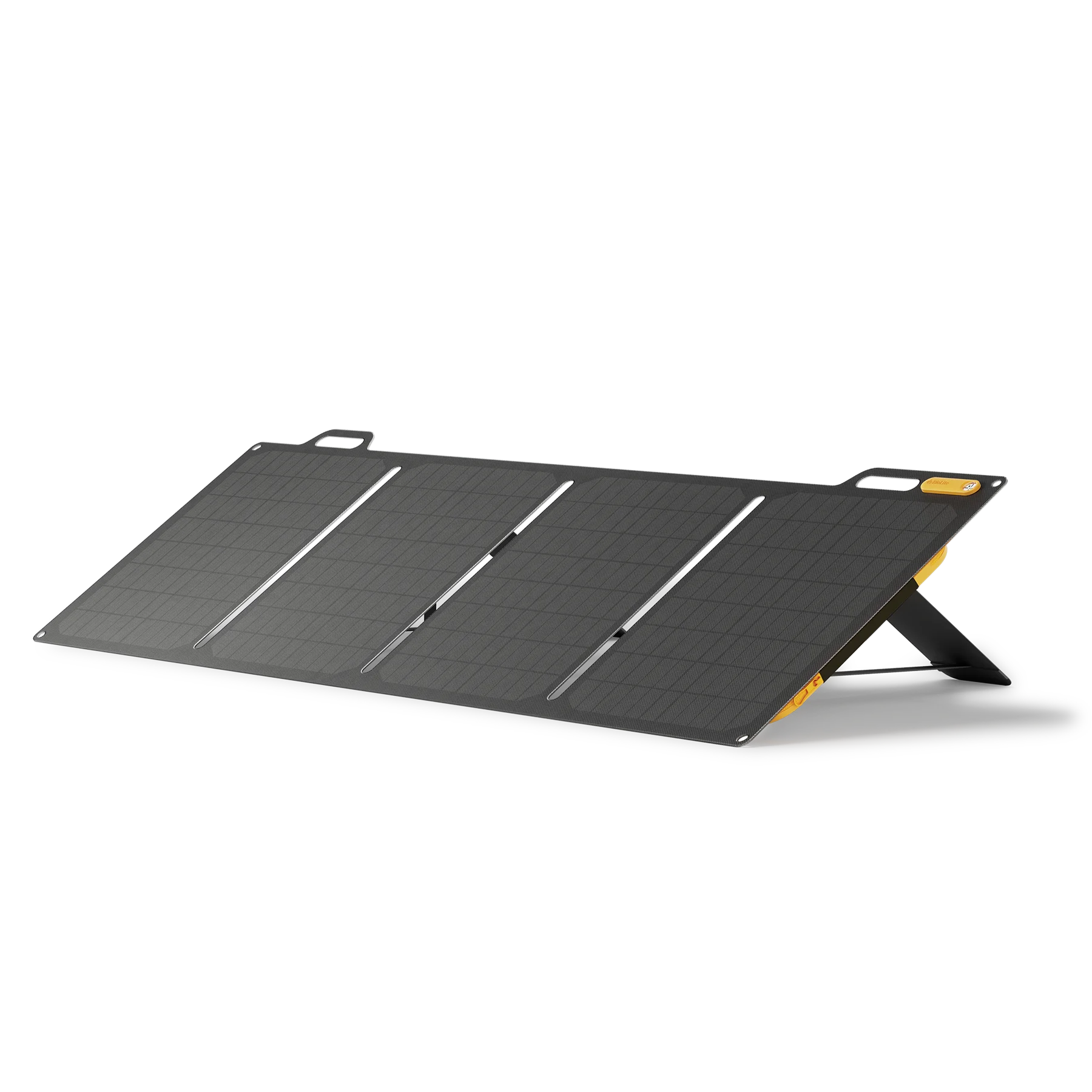
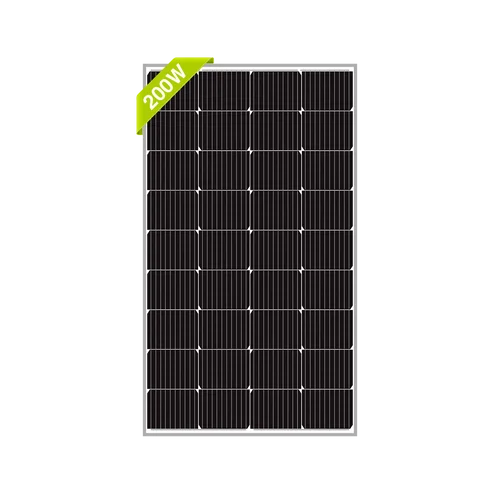
Newpowa
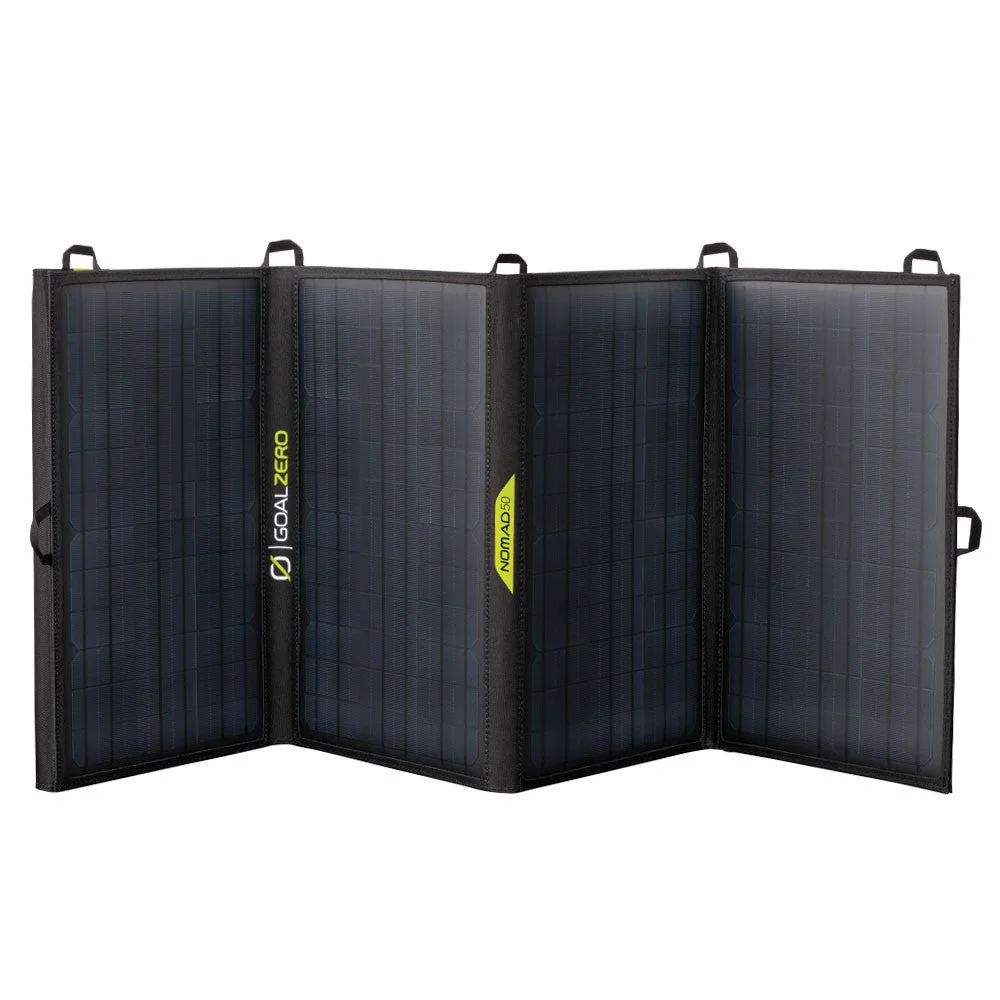
Goal Zero
HQST
Pairing a solar panel with your portable power station turns it from a finite battery into a renewable energy system. The best panels for this use case offer high wattage, universal MC4 connectors, and a foldable design you can deploy in minutes.
Roof-mounted solar panels charge your house batteries while you drive and camp. For RV use, you need rigid panels with weatherproof ratings, pre-drilled mounting holes, and enough wattage to keep up with daily consumption.
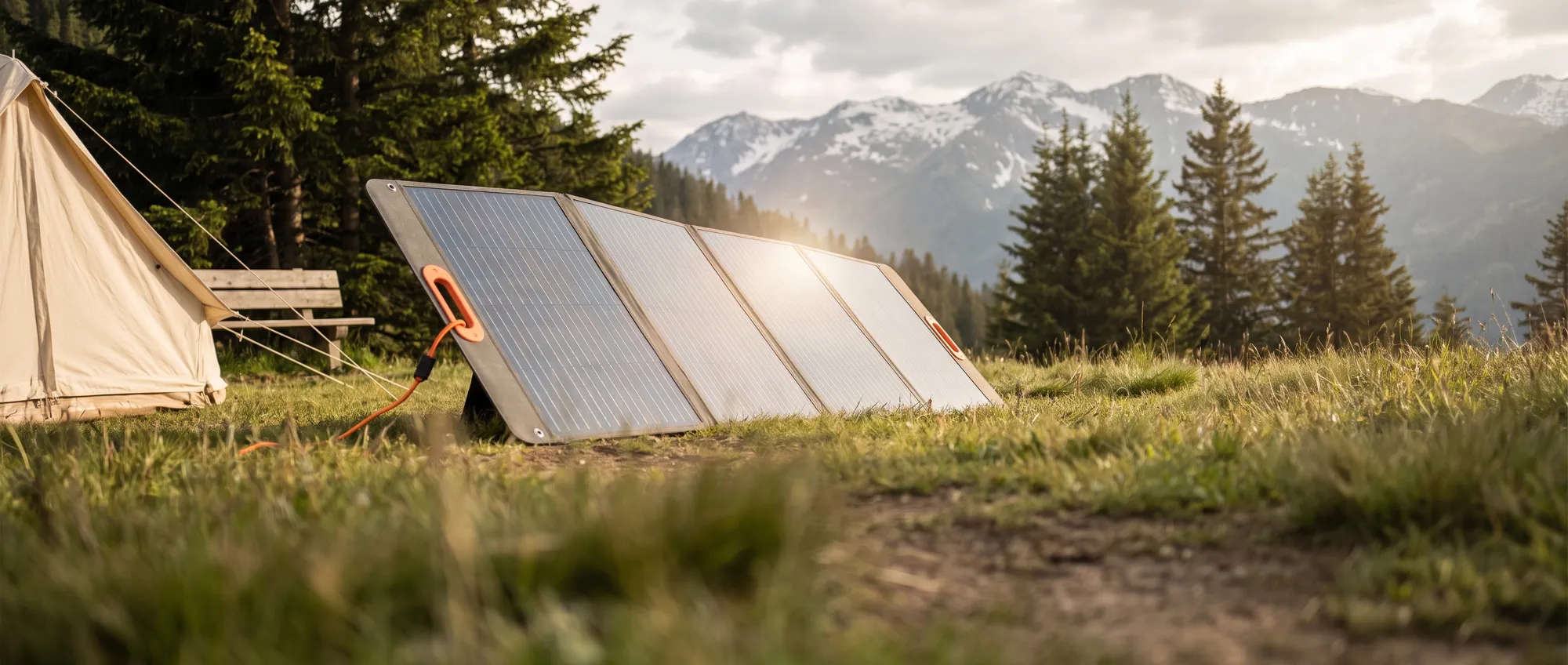
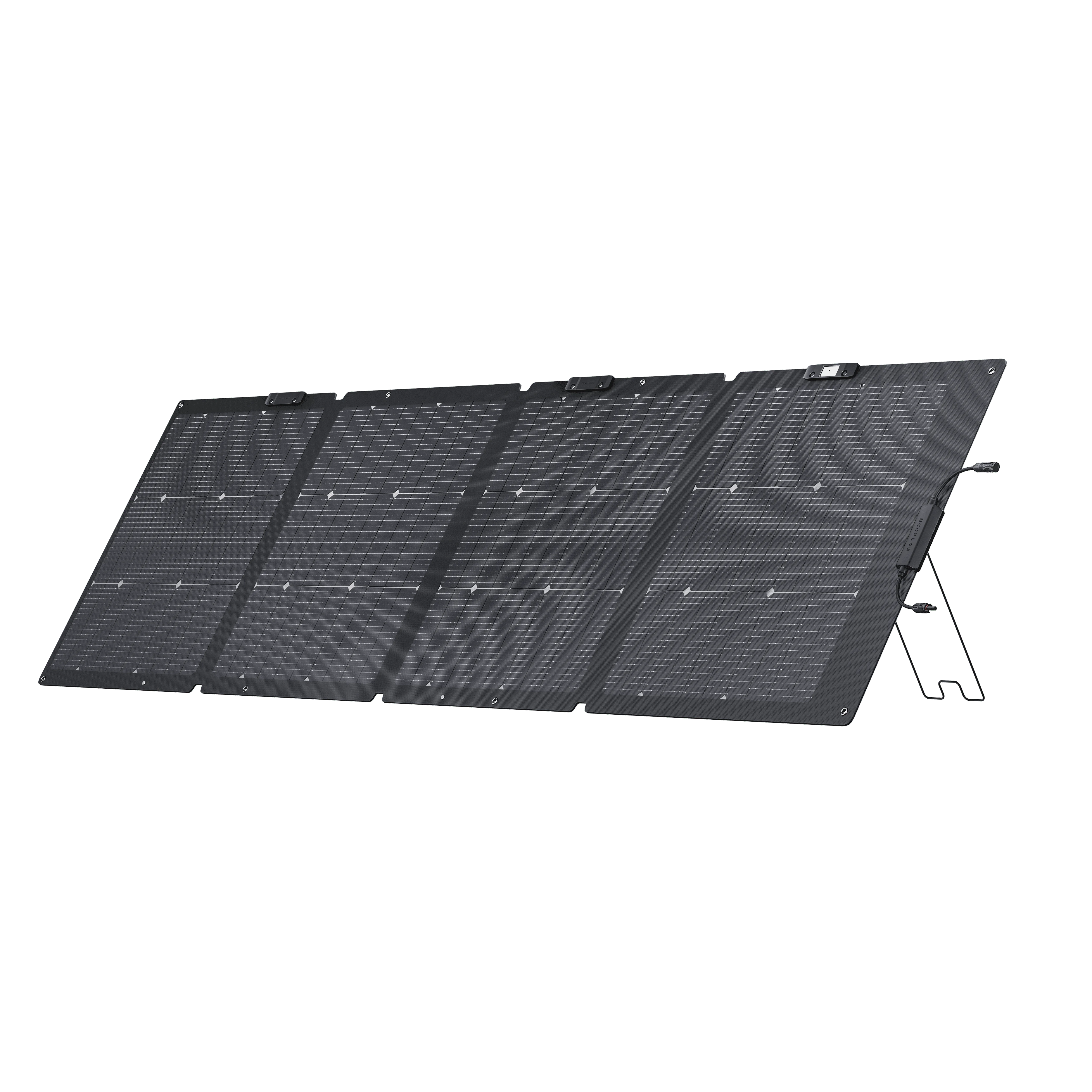
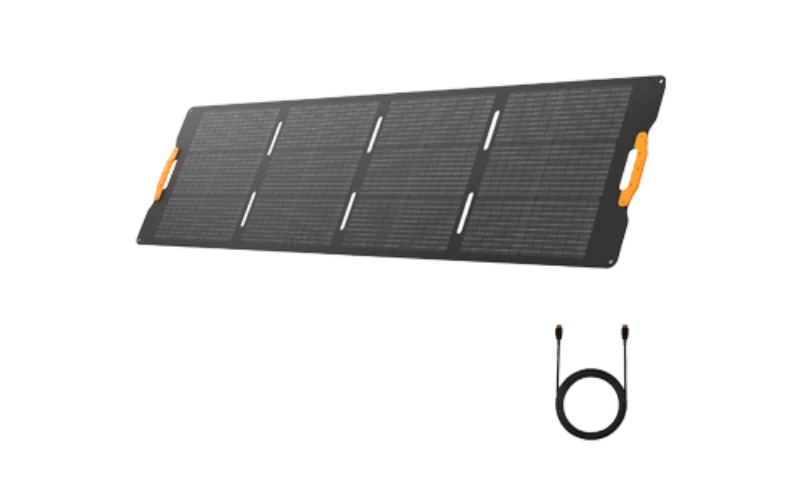
Foldable solar panels collapse to briefcase size for transport and unfold to deliver 60W–400W of clean power at camp, on the trail, or beside an RV. The right foldable panel matches your power station's solar input ceiling, survives weather (look for IP65+), and stays under the weight you're willing to carry. Below: our ranked top picks tested for real-world output (wattage claims rarely match real conditions), kickstand stability, durability, and connector compatibility, plus a buyer's guide covering wattage sizing, MC4 vs Anderson connectors, and bifacial vs traditional designs.
Permanent cabin solar installations need panels that last 25+ years through snow loads, UV exposure, and temperature extremes. Rigid monocrystalline panels with aluminum frames and high IP ratings are the gold standard for this application.
Every ounce matters when you're hauling gear up a mountain pass. The best backpacking solar panels weigh under 15 lbs, fold down to fit in or strap onto a pack, and deliver enough wattage to keep your GPS, phone, satellite communicator, and headlamp batteries topped off during multi-day trips. Look for foldable designs with built-in USB ports and weather-resistant ratings for unpredictable alpine conditions.
Marine solar panels face salt spray, constant UV exposure, vibration, and occasional wave wash — so waterproof ratings and corrosion-resistant construction are non-negotiable. Rigid panels with aluminum frames and IP65+ ratings are the go-to for fixed mounting on hardtops and biminis, while flexible panels conform to curved cabin tops and dodgers. The best marine panels keep your house batteries charged at anchor without running the engine.