Wattage
Higher wattage means faster charging and more energy production. Match panel wattage to your power station or charge controller input rating for optimal performance.
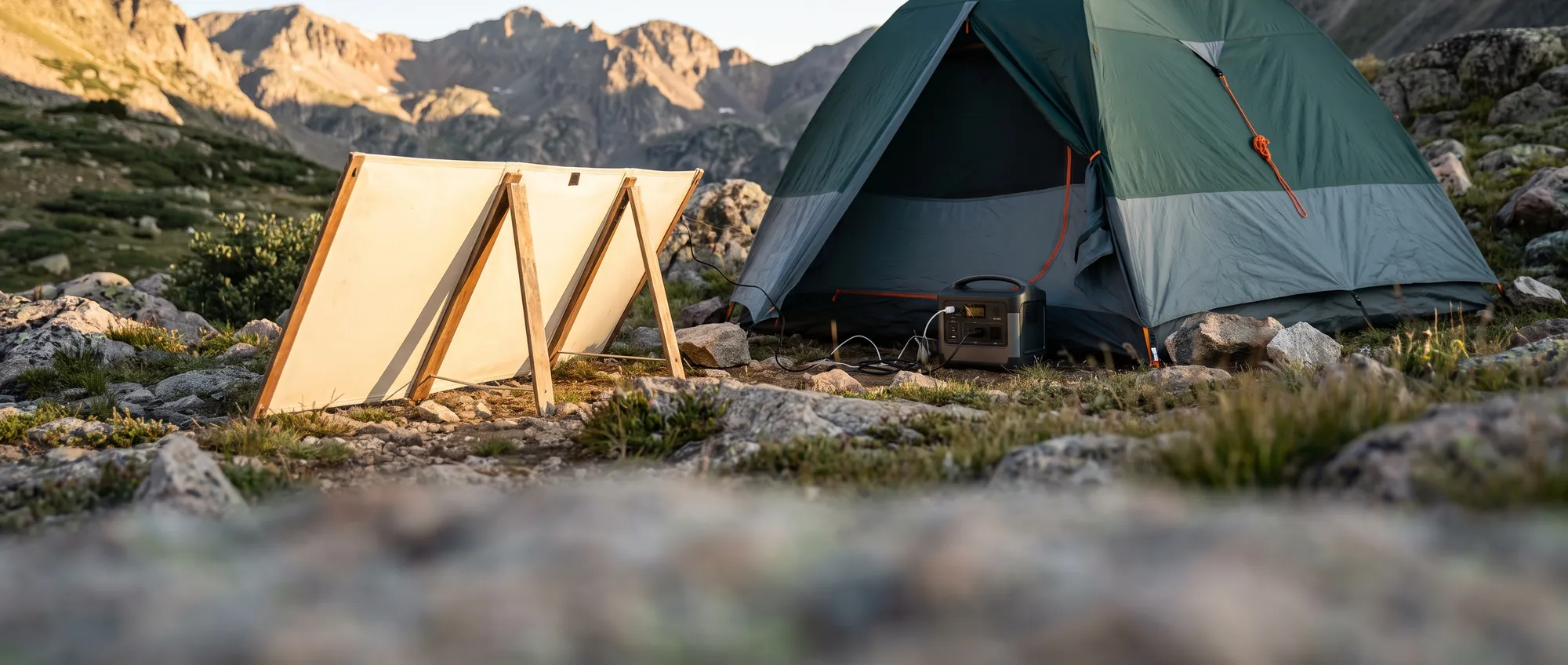
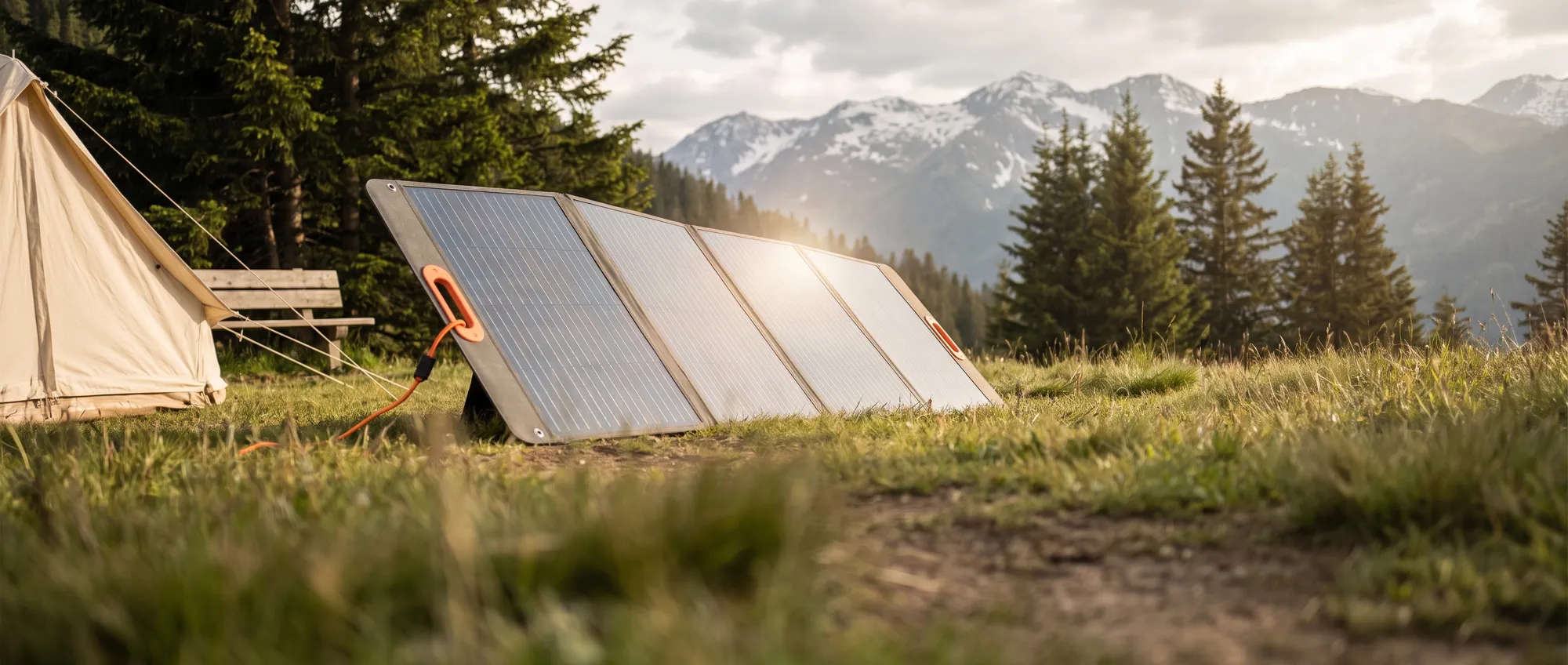
Camping & Foldable
Lightweight foldable solar panels for car camping, overlanding, and portable charging
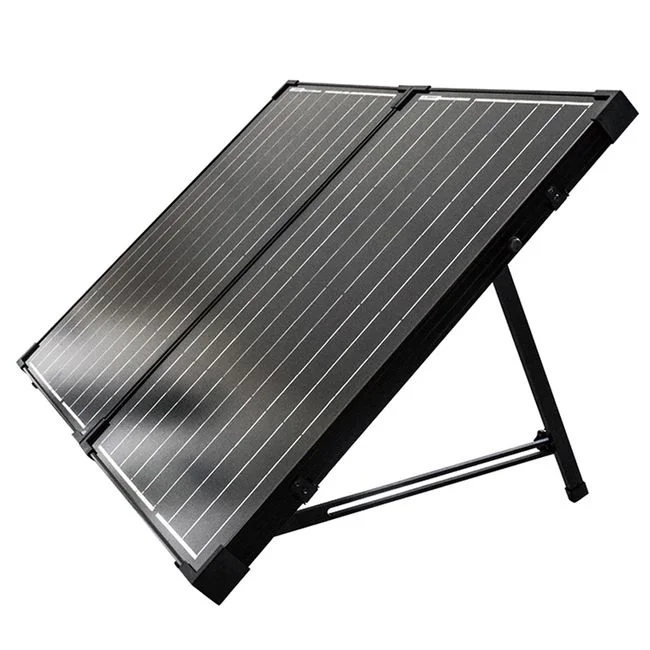
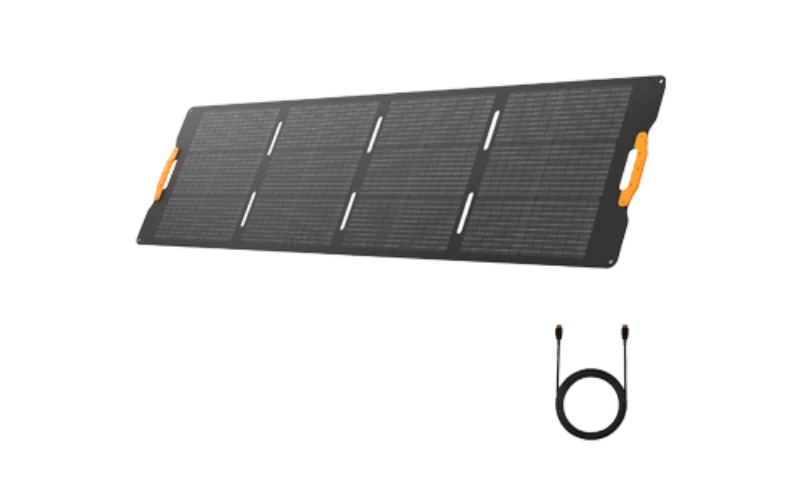
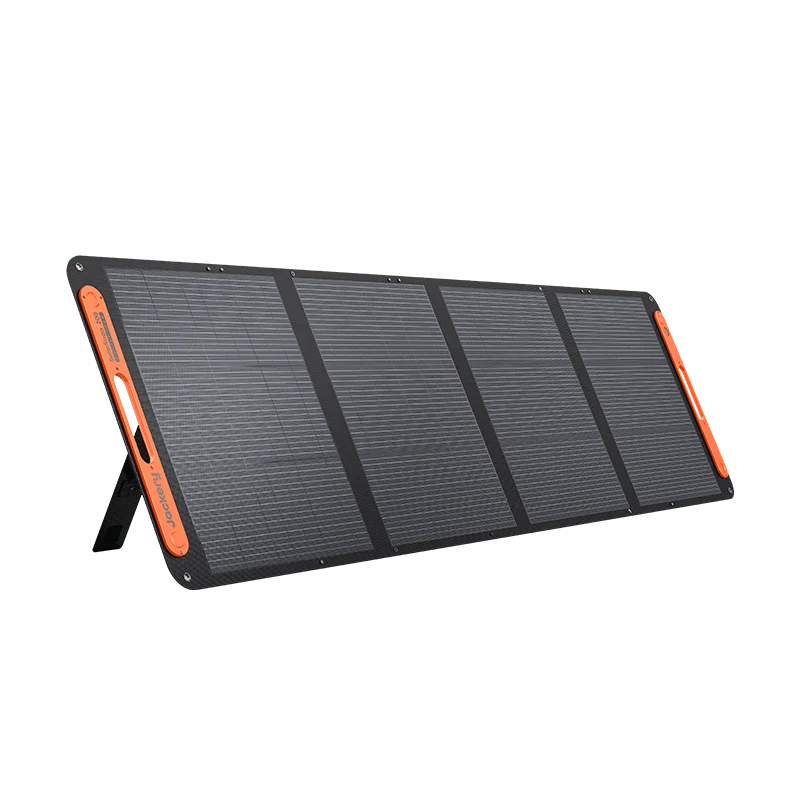
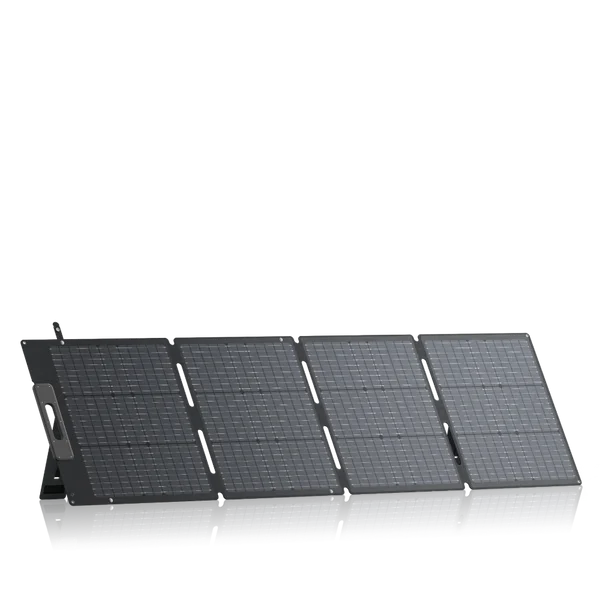
Foldable solar panels collapse to briefcase size for transport and unfold to deliver 60W–400W of clean power at camp, on the trail, or beside an RV. The right foldable panel matches your power station's solar input ceiling, survives weather (look for IP65+), and stays under the weight you're willing to carry. Below: our ranked top picks tested for real-world output (wattage claims rarely match real conditions), kickstand stability, durability, and connector compatibility, plus a buyer's guide covering wattage sizing, MC4 vs Anderson connectors, and bifacial vs traditional designs.
Before comparing specific products, here are the key specs and features that matter most for camping & foldable.
Higher wattage means faster charging and more energy production. Match panel wattage to your power station or charge controller input rating for optimal performance.
Panel weight affects portability and roof load. Foldable panels range from 10-25 lbs. Rigid roof-mount panels are 25-50 lbs each, so verify your roof can handle the total weight.
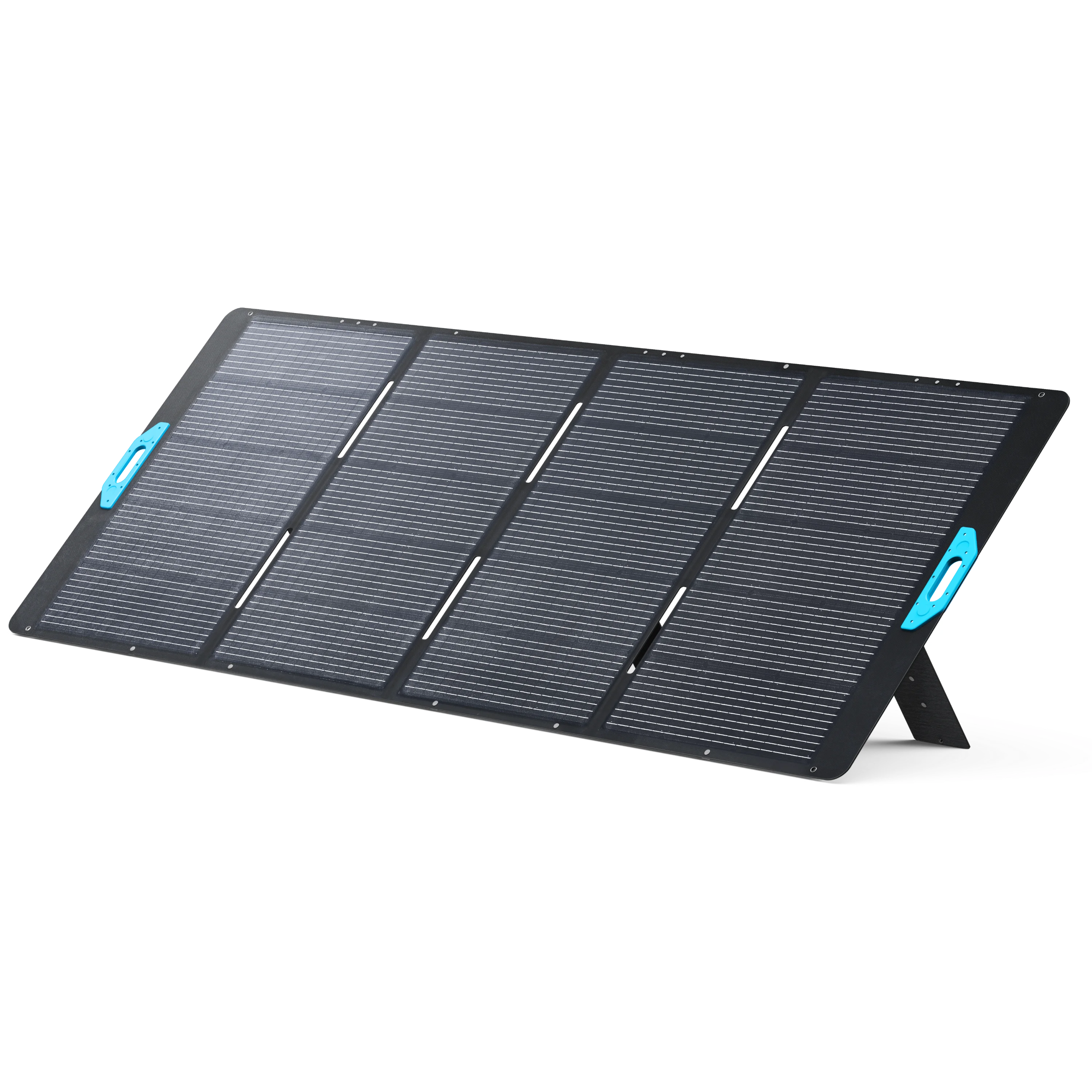
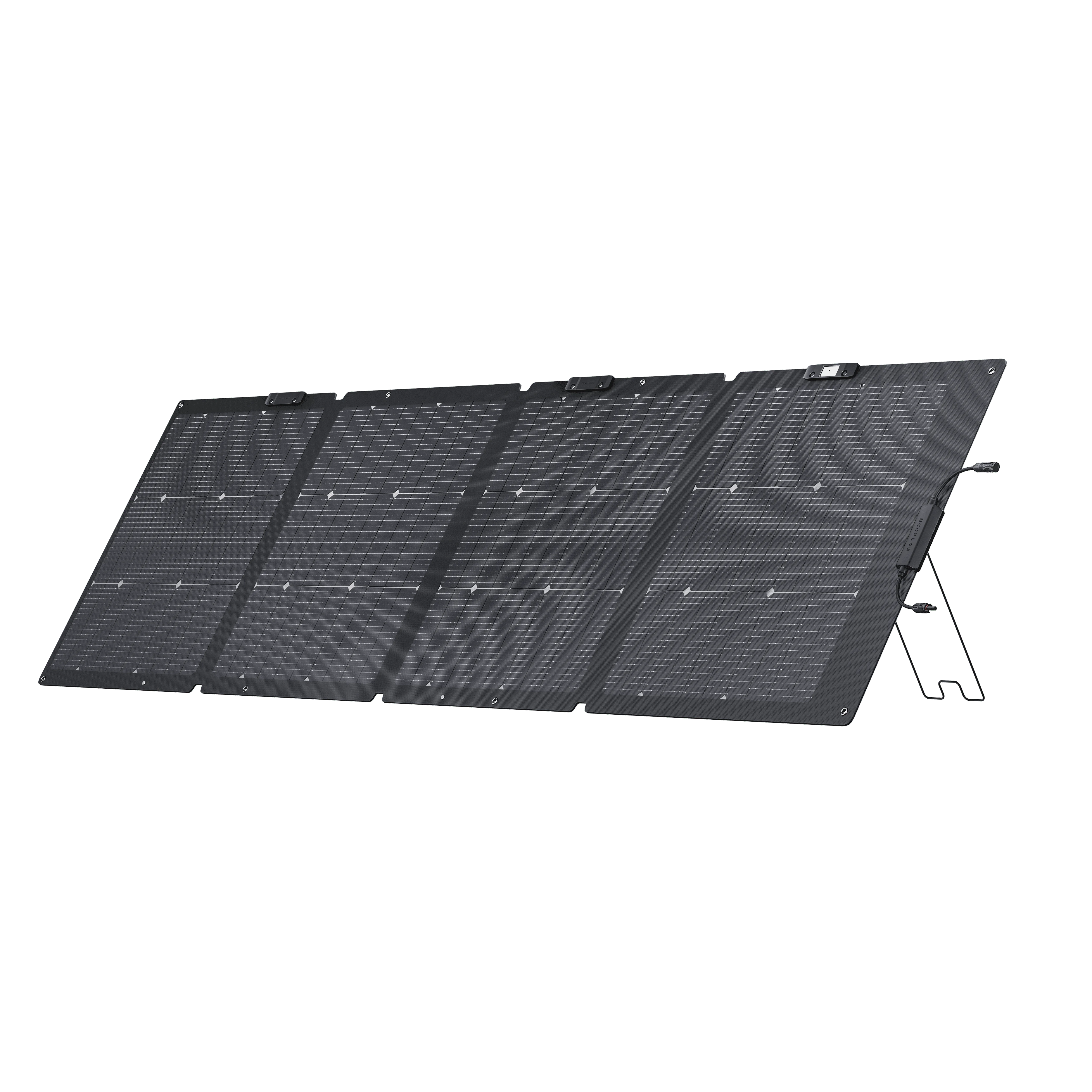
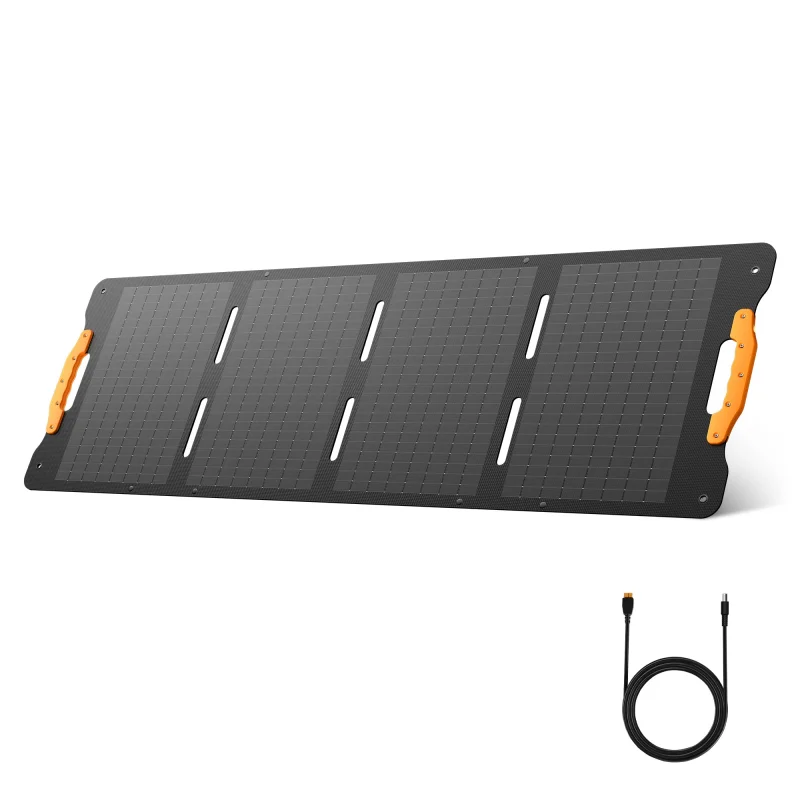
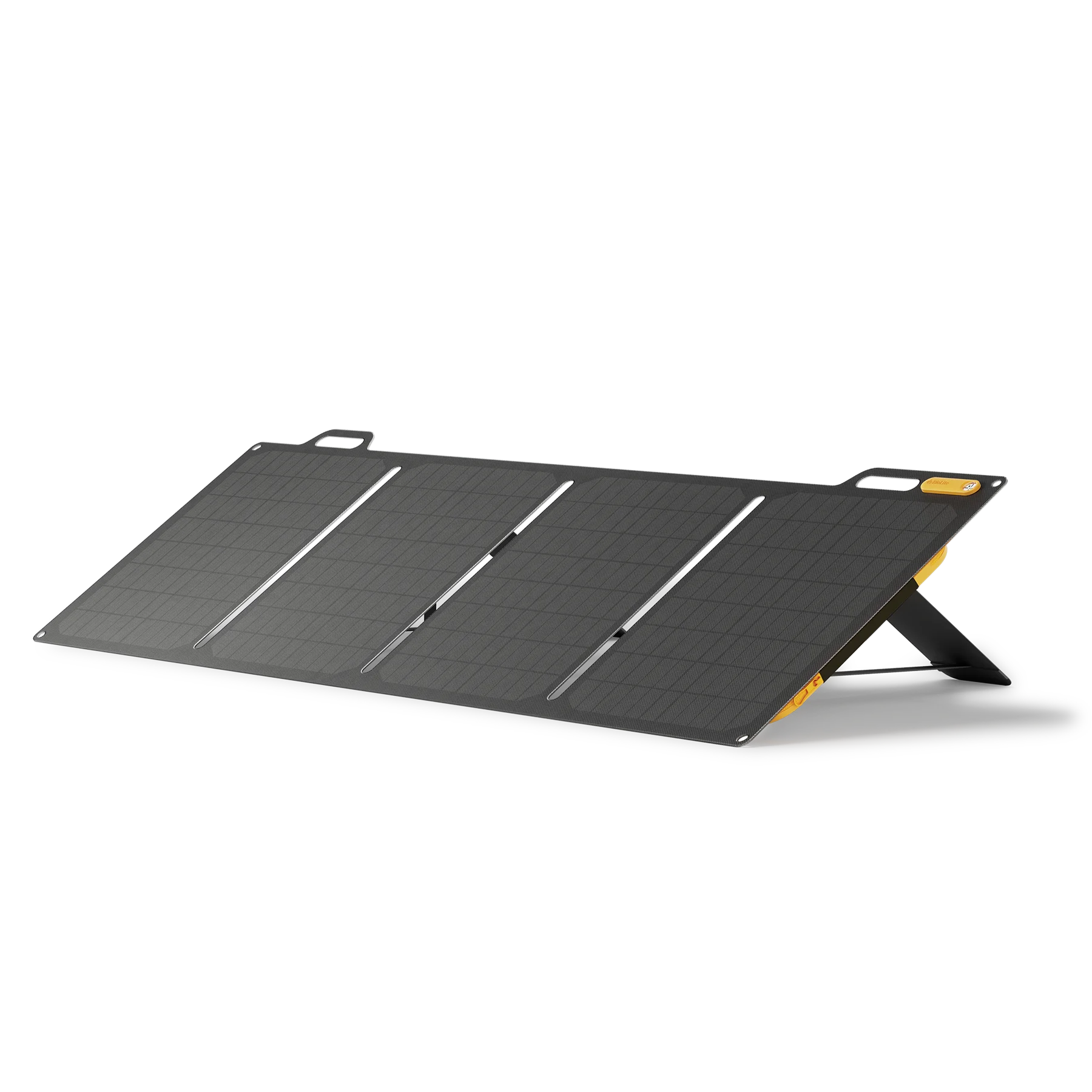
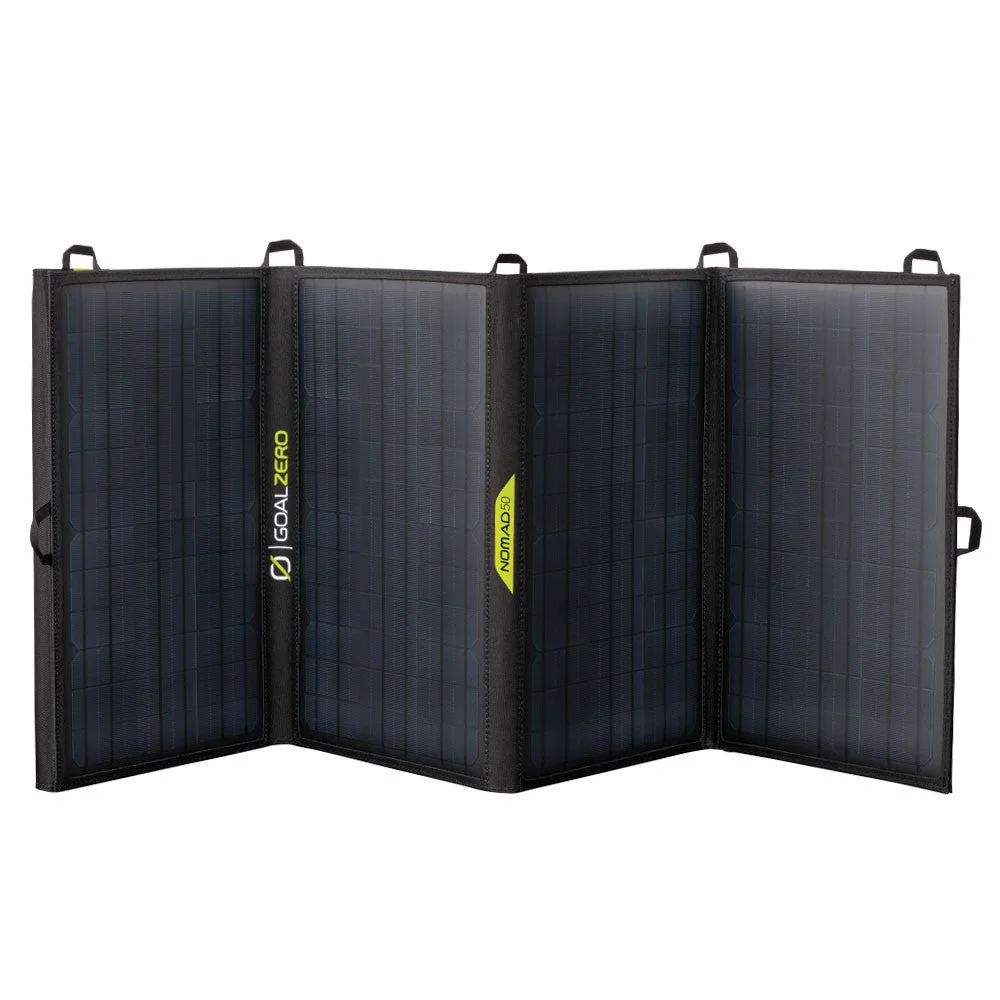
Foldable panels pack down for transport and deploy quickly at camp. Look for built-in kickstands for angling toward the sun and carry handles for easy repositioning throughout the day.
IP65 handles rain and dust. IP67 survives temporary submersion. IP68 is fully waterproof. For marine or harsh outdoor use, IP67+ is essential. For fair-weather camping, IP65 is sufficient.
Higher efficiency means more power per square foot. Premium panels hit 22-23%, while budget options hover around 18-20%. Higher efficiency matters most when mounting space is limited (RV roofs, small ground areas).
Built-in adjustable kickstands let you angle panels toward the sun without leaning them against objects. This improves energy capture by 20-30% compared to laying panels flat on the ground.
EcoFlow
BLUETTI
Goal Zero