1
Batteries
We test and compare the top off-grid batteries from Battle Born, Renogy, SOK, Victron, and more — scored on capacity, cycle life, value, features, and build quality.
Victron
Battle Born
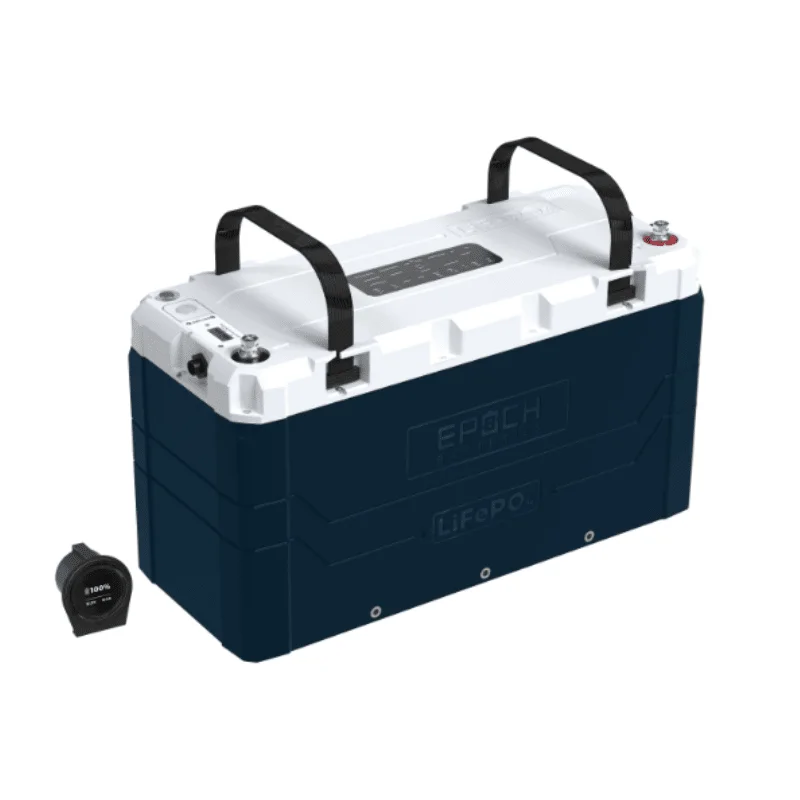
Epoch
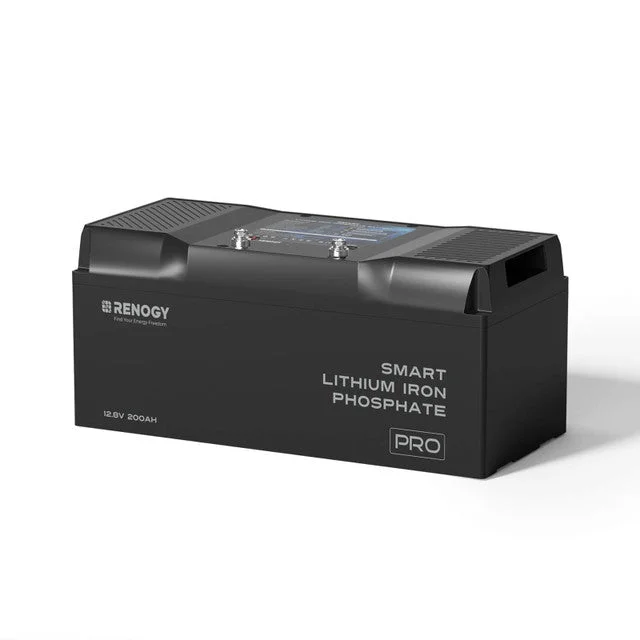
Renogy
Epoch
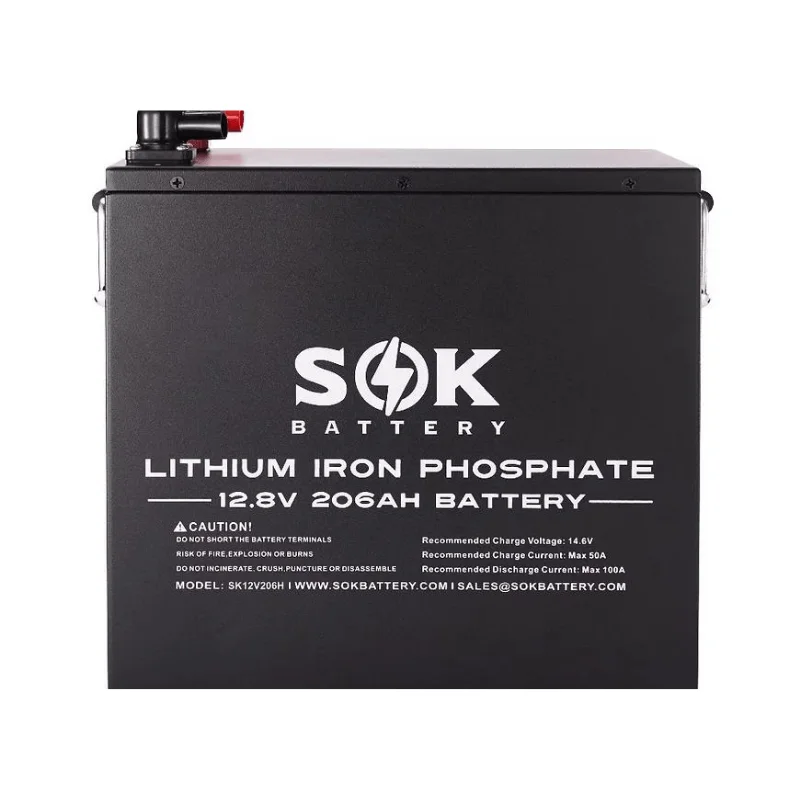
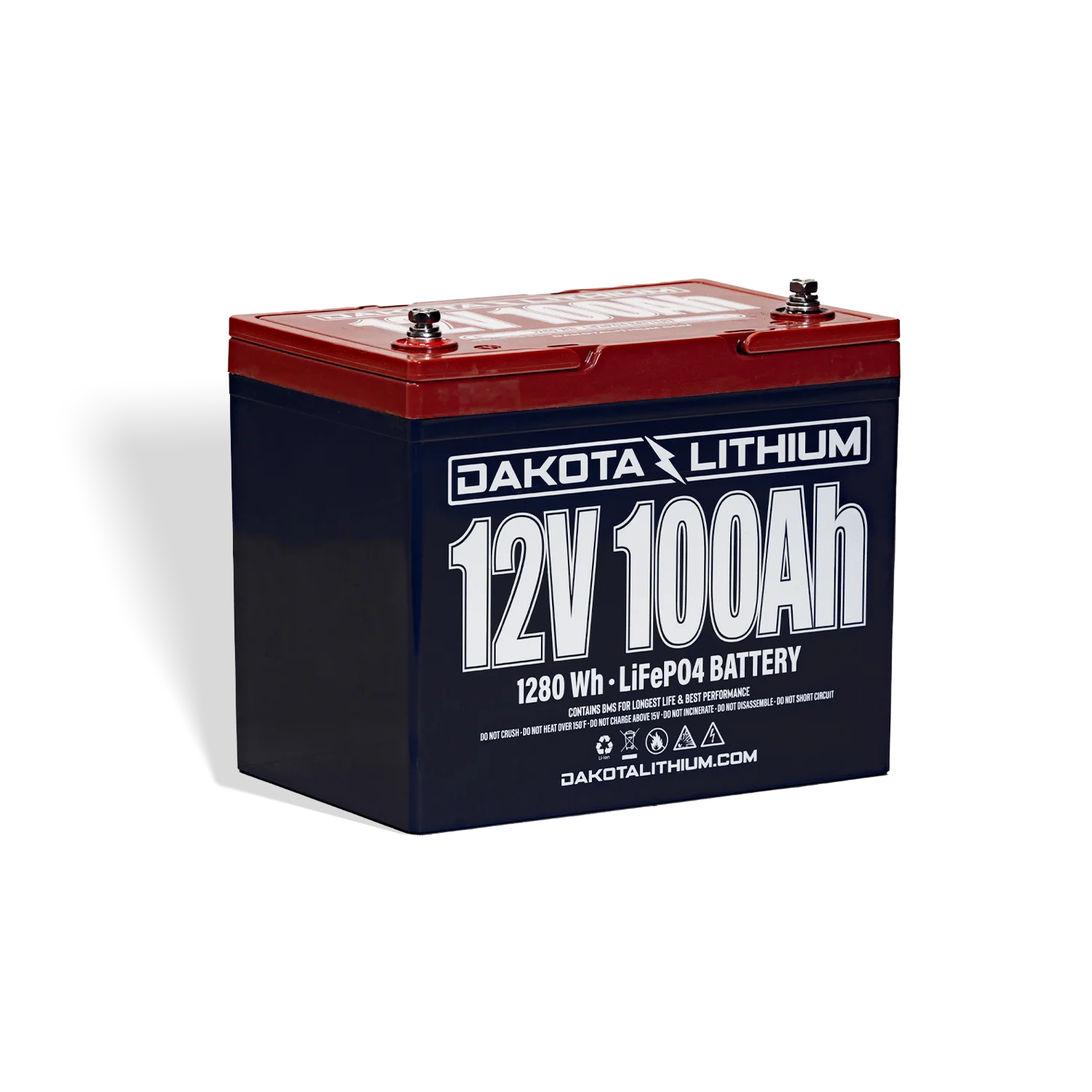
Dakota Lithium
Epoch
LiTime
Ampere Time
LiTime
Power Queen
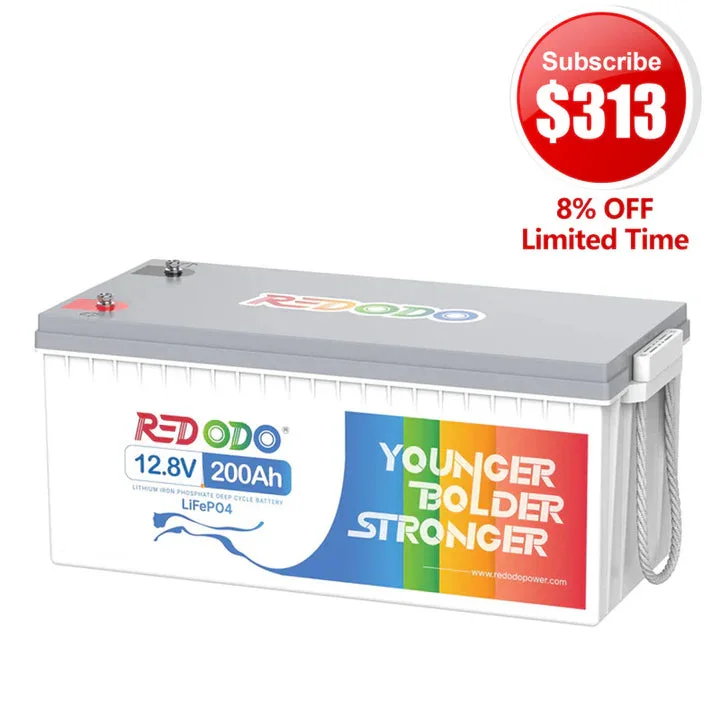
Redodo
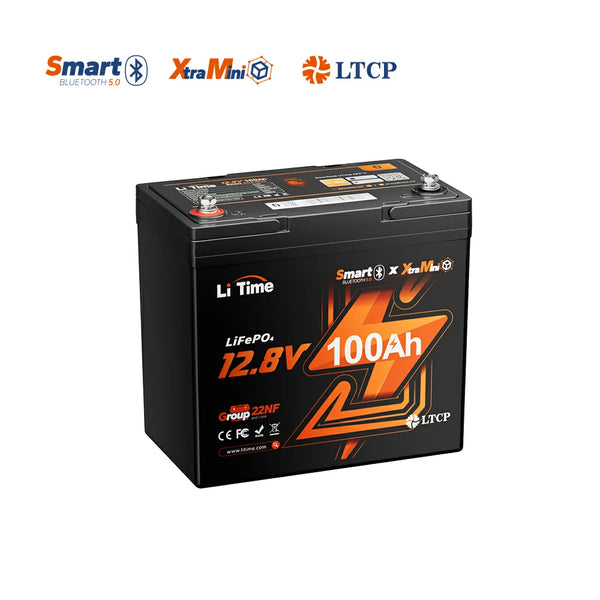
LiTime
Battle Born
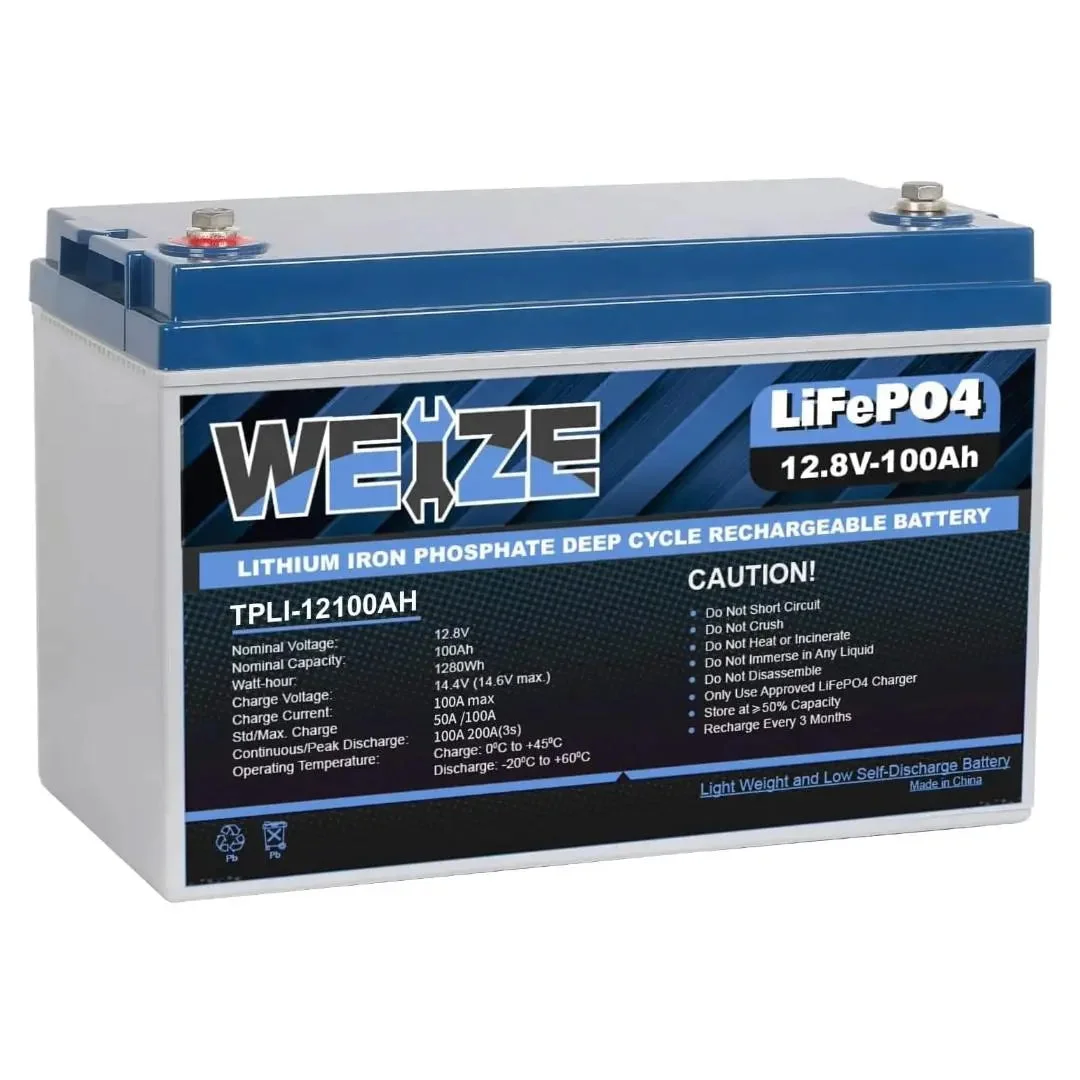
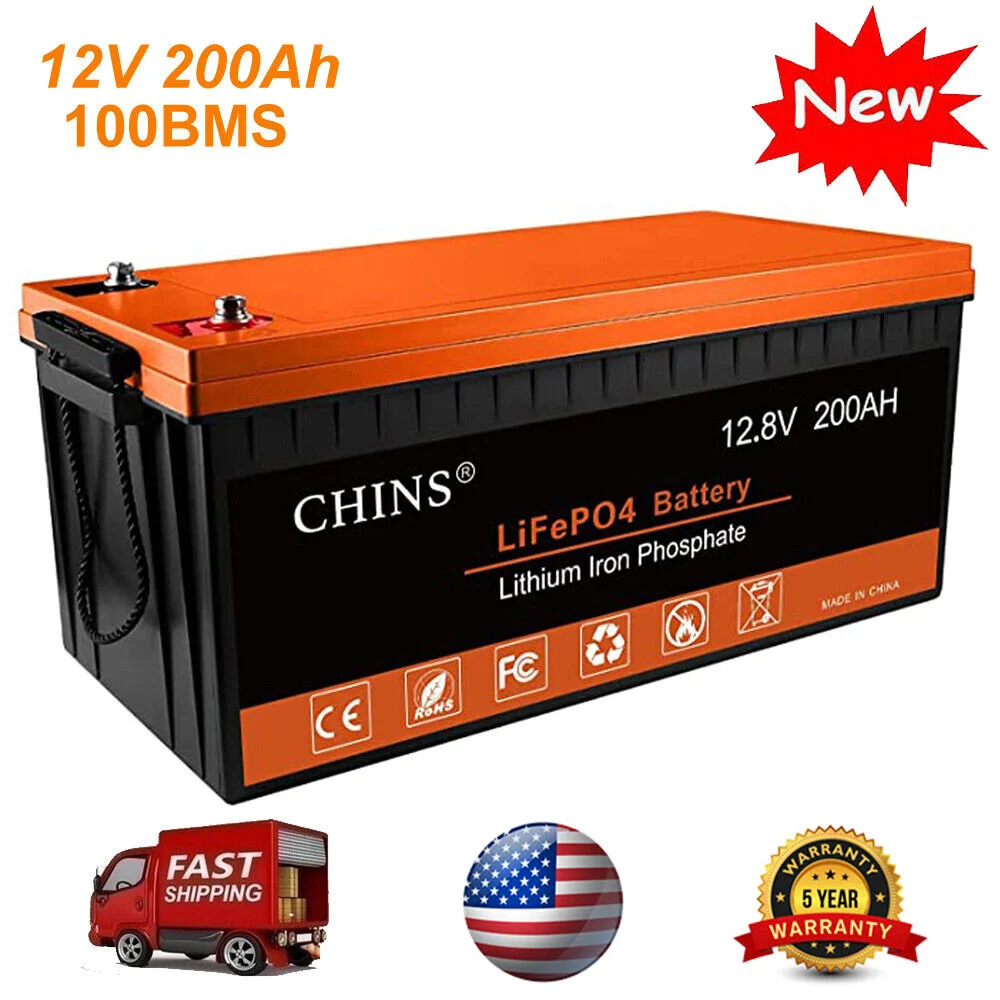
Your RV house battery bank is the heart of your electrical system. LiFePO4 batteries offer 10x the cycle life of lead-acid, weigh half as much, and deliver consistent voltage until nearly empty. Most RVers need 200-400Ah at 12V for comfortable boondocking.
An off-grid cabin battery bank needs to store enough energy to get through cloudy days and long winter nights. LiFePO4 chemistry with 4,000+ cycle life ensures your battery bank lasts a decade or more of daily cycling without significant degradation.
Marine batteries face unique challenges: vibration, humidity, and salt air demand robust build quality and corrosion resistance. LiFePO4 batteries are rapidly replacing lead-acid in marine applications thanks to their lighter weight, longer lifespan, and superior performance in partial charge states.
You don't need to spend a fortune to build a reliable lithium battery bank. The best LiFePO4 batteries under $500 deliver 100–200Ah of capacity with 4,000+ cycle life, built-in BMS protection, and drop-in compatibility for RV, solar, and marine applications. These budget-friendly options make the switch from lead-acid to lithium affordable without sacrificing longevity or safety.
The sub-$1,000 range unlocks high-capacity LiFePO4 batteries with 200Ah+ ratings, premium BMS features, and cold-weather performance that budget options can't match. These mid-range batteries are ideal for serious RV house banks, off-grid cabin battery arrays, and marine installations where you need more capacity, higher discharge rates, and better warranty coverage.
A single 300Ah or larger 12V LiFePO4 battery stores 3,800Wh or more, enough to run an RV or cabin for a full day on one compact unit. Fewer batteries means simpler wiring, less bus-bar loss, and more usable space than stacking multiple 100Ah cells.
LiFePO4 cells cannot safely charge below freezing. Self-heating batteries add an internal heating film that warms the cells before charge current flows, so you can keep charging in winter. This is critical for cold-climate RVers, cabins, and marine use.
Golf carts and low-speed vehicles need higher-voltage packs of 36V, 48V, or 72V with the deep-cycle endurance to last a full day of driving. LiFePO4 replaces heavy lead-acid banks at a fraction of the weight and with far longer cycle life.