1
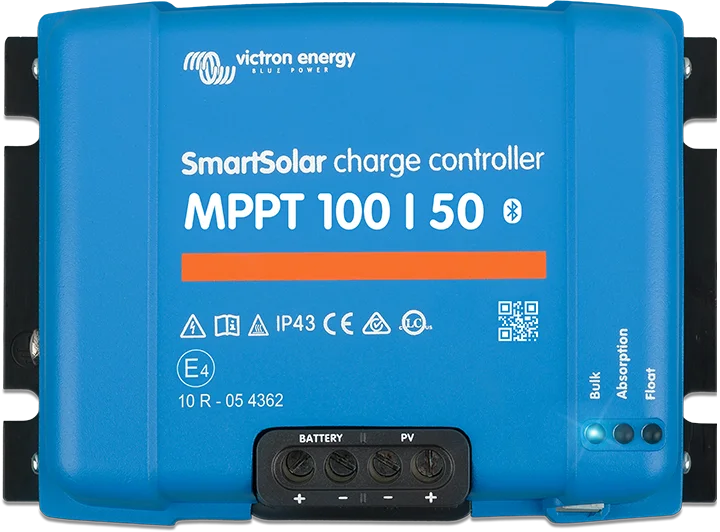
MPPT (Maximum Power Point Tracking) is the brain of your off-grid solar system — converting excess panel voltage into additional charging current for 15–30% more real-world energy harvest than PWM. Below: our ranked top picks, followed by how MPPT works and sizing advice.
Ranked by overall score from our independent testing methodology. Click any card for the full review.


EPever
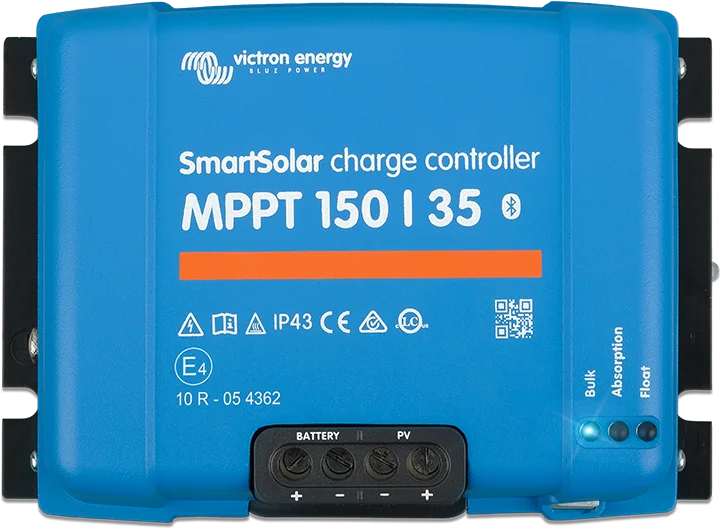
| Spec | Victron SmartSolar MPPT 100/50 | Victron SmartSolar MPPT 150/35 | Renogy Rover 40A MPPT Charge Controller | Rich Solar 40A MPPT Charge Controller | Epever Tracer 4210AN 40A MPPT Charge Controller |
|---|---|---|---|---|---|
| Our Score | 9.2/10 | 9.0/10 | 8.5/10 | 8.1/10 | 8.0/10 |
| Price | $280 | $220 | $152 | $160 | $117 |
| Max Output | — | — | — | — | — |
| Max Input V | — | — | — | — | — |
| Max Array @ 12V | — | — | — | — | — |
| Max Array @ 24V | — | — | — | — | — |
| Battery Bank | — | — | — | — | — |
| Bluetooth | — | — | — | — | — |
| Warranty | 5 yr | 5 yr | 2 yr | 2 yr | 2 yr |
Every solar panel has an optimal operating point — a specific combination of voltage and current where it produces maximum power. This is called the Maximum Power Point (MPP), and it shifts constantly with changes in sunlight intensity, temperature, and shading conditions. An MPPT controller continuously tracks this moving target and adjusts its operation to keep the panel at peak output. For a complete breakdown see our MPPT primer.
The controller uses a DC-to-DC converter to transform the higher voltage, lower current output from the solar array into the lower voltage, higher current that the battery bank needs. For example, a panel producing 8 amps at 36 volts (288 watts) can be converted to approximately 16 amps at 14.4 volts (230 watts after conversion losses) to charge a 12V battery. The key insight is that the controller captures the excess voltage and converts it into additional charging current.
A PWM controller, by contrast, simply connects the panel directly to the battery and clamps the panel voltage down to the battery voltage. That same 36V panel connected to a 14.4V battery through a PWM controller would only deliver 8 amps at 14.4V (115 watts) — throwing away more than half the available power as heat.