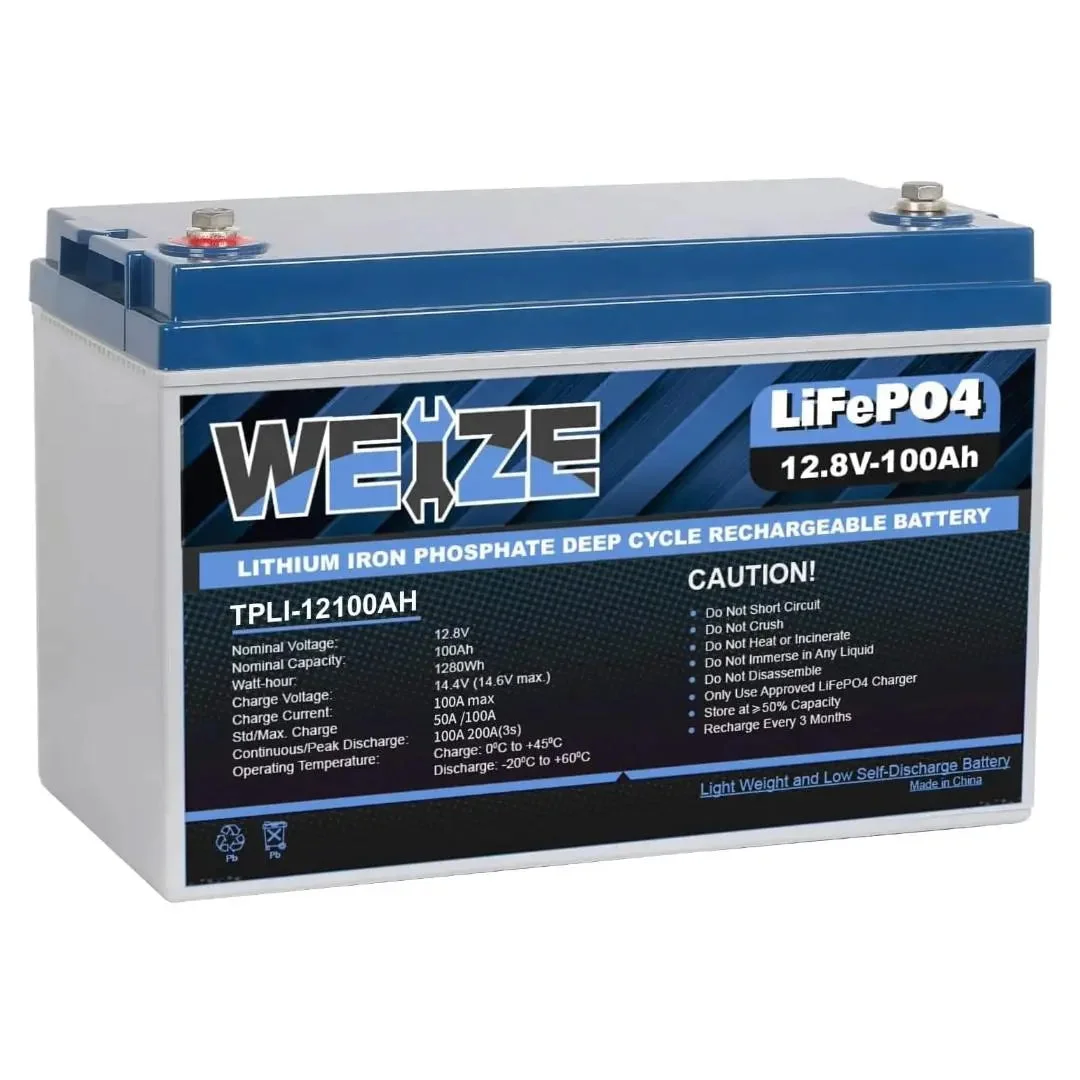
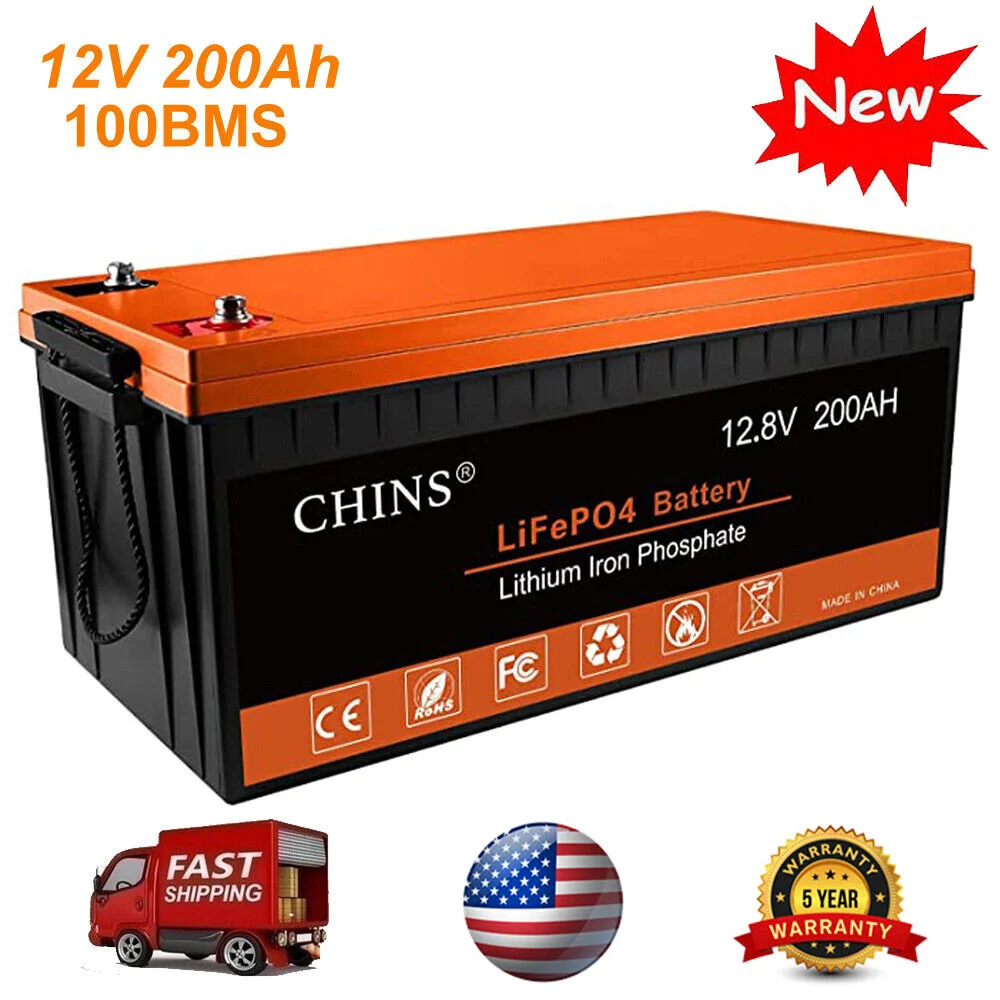
Capacity (Ah)
Amp-hours determine how long your battery lasts per charge. 100Ah at 12V provides 1,280Wh of energy. Size for 2-3 days of autonomy if relying on solar recharging.
Under $500
Budget-friendly LiFePO4 batteries under $500 for RV and solar projects
You don't need to spend a fortune to build a reliable lithium battery bank. The best LiFePO4 batteries under $500 deliver 100–200Ah of capacity with 4,000+ cycle life, built-in BMS protection, and drop-in compatibility for RV, solar, and marine applications. These budget-friendly options make the switch from lead-acid to lithium affordable without sacrificing longevity or safety.
Before comparing specific products, here are the key specs and features that matter most for under $500.
Amp-hours determine how long your battery lasts per charge. 100Ah at 12V provides 1,280Wh of energy. Size for 2-3 days of autonomy if relying on solar recharging.
12V batteries are standard for RVs, boats, and small cabins. 24V and 48V systems are more efficient for larger installations (less current = thinner wires, less loss). Match voltage to your inverter and charge controller.
Watt-hours is the true measure of stored energy. Calculate your daily consumption in Wh, then size your battery bank for 2-3 days of autonomy. A 100Ah 12V battery stores 1,280Wh of usable energy.
LiFePO4 batteries deliver 3,000-5,000 cycles to 80% capacity. At one cycle per day, that is 8-14 years of service. Cheaper batteries with lower cycle life cost more per kWh over their lifetime.
LiFePO4 batteries weigh roughly half of equivalent lead-acid. Weight matters for RV and marine applications where payload capacity is limited. A 100Ah LiFePO4 typically weighs 24-30 lbs vs 60+ lbs for lead-acid.
A Battery Management System protects against overcharge, over-discharge, short circuit, and temperature extremes. All quality LiFePO4 batteries include a BMS. Check for low-temp charging cutoff if you operate in freezing conditions.
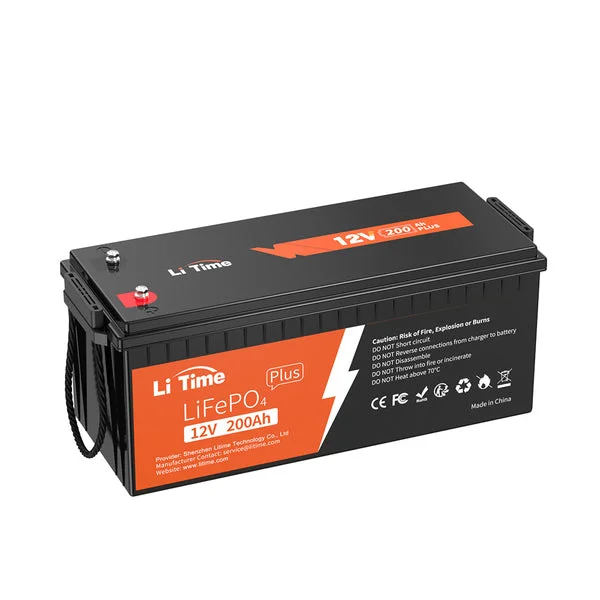
LiTime
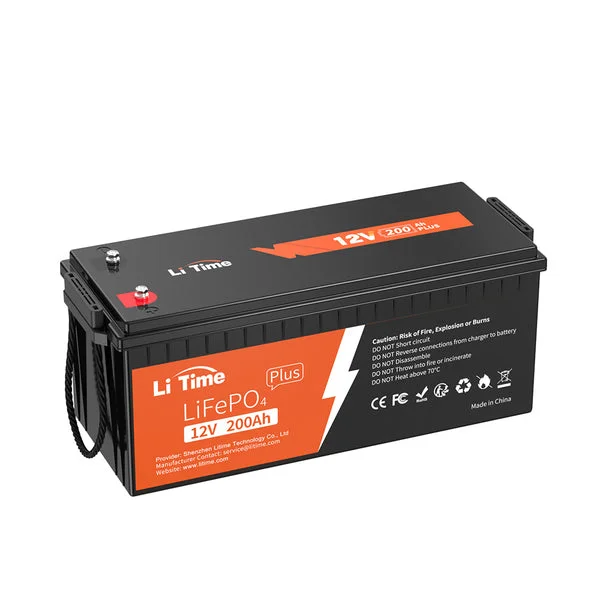
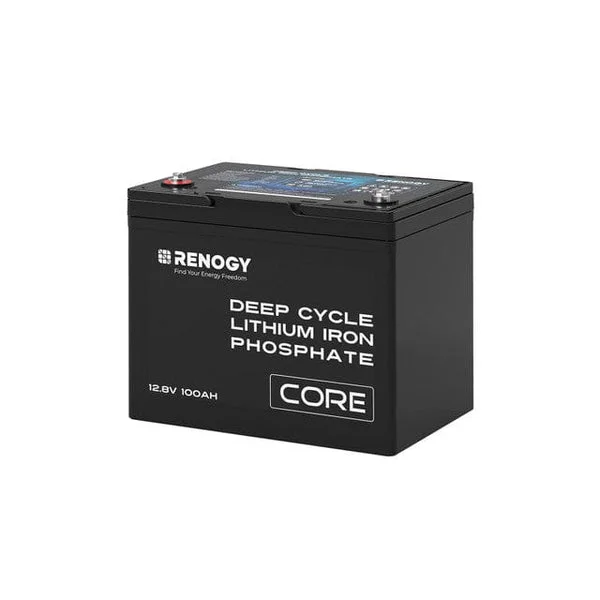
Ampere Time
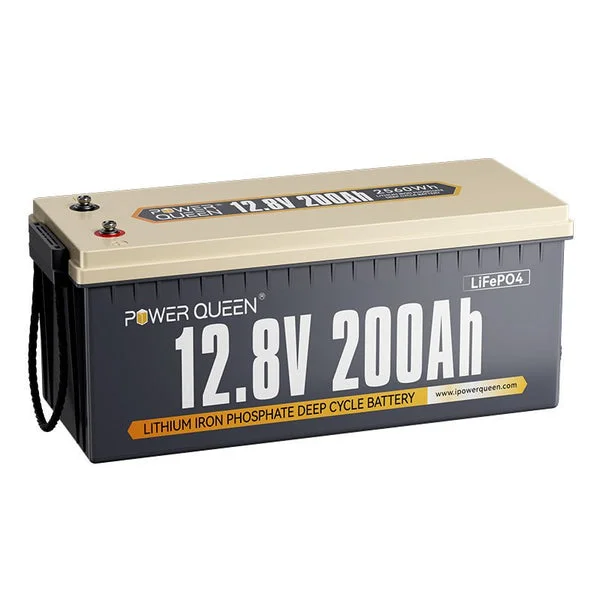
Power Queen
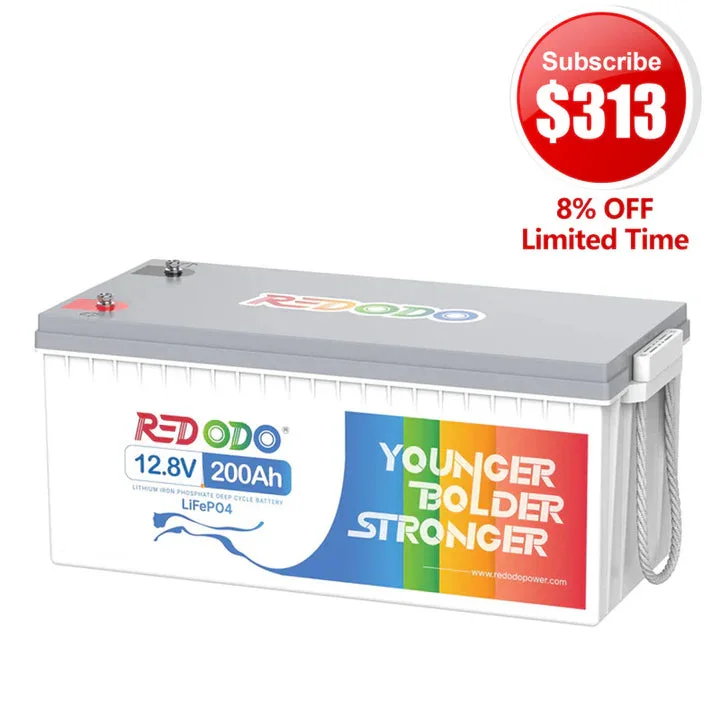
Redodo
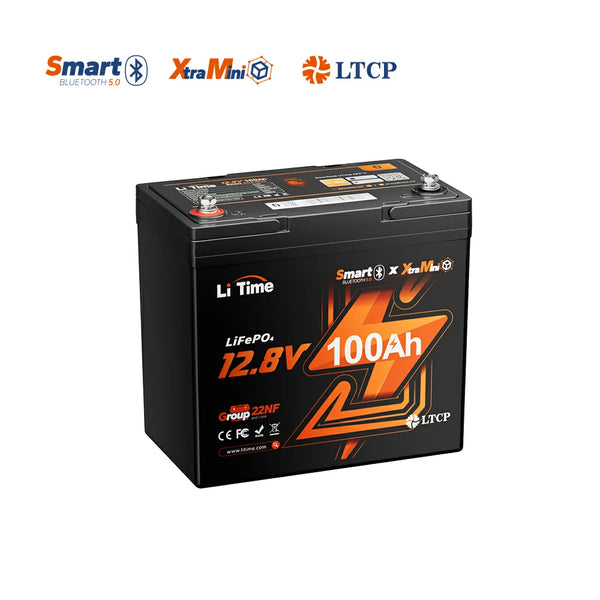
LiTime