Esc

Best LiFePO4 Batteries of 2026

LiFePO4 — lithium iron phosphate — has become the dominant battery chemistry for off-grid energy storage. Long cycle life, thermal stability, deep discharge capability, and steadily declining prices have made lead-acid obsolete for most off-grid applications. Below: our ranked top picks.

Top 5 LiFePO4 Batteries of 2026

Ranked by overall score from our independent testing methodology. Click any card for the full review.
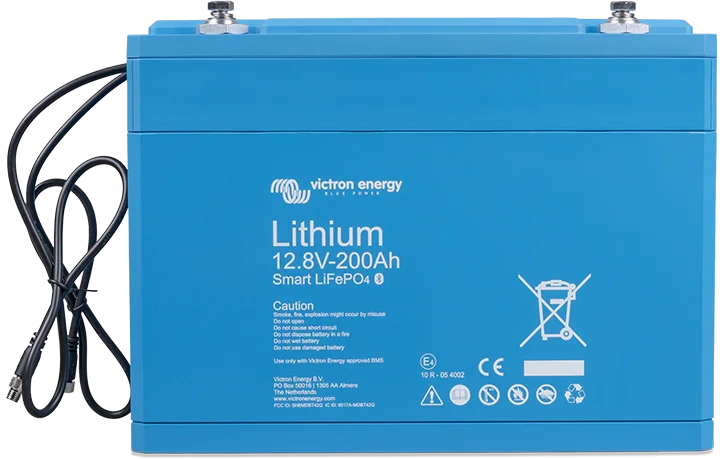
LiFePO4 Batteries Head-to-Head

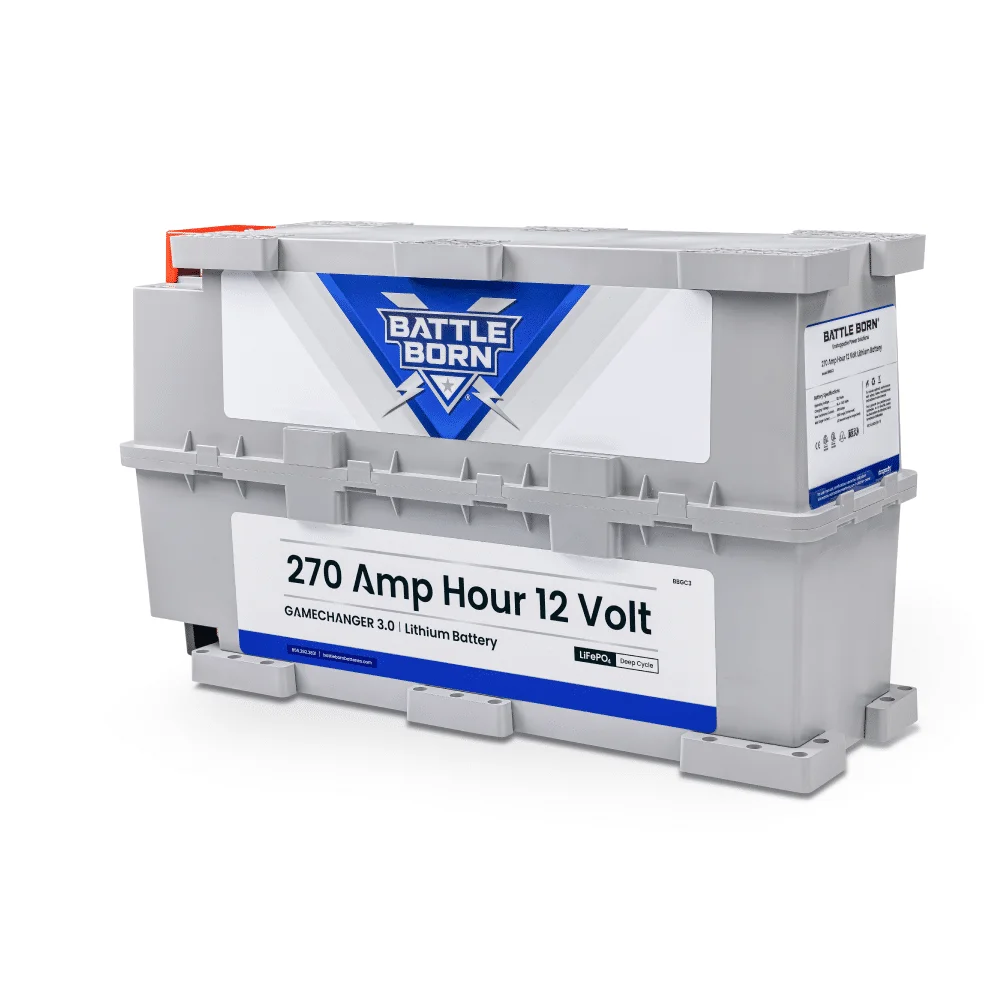
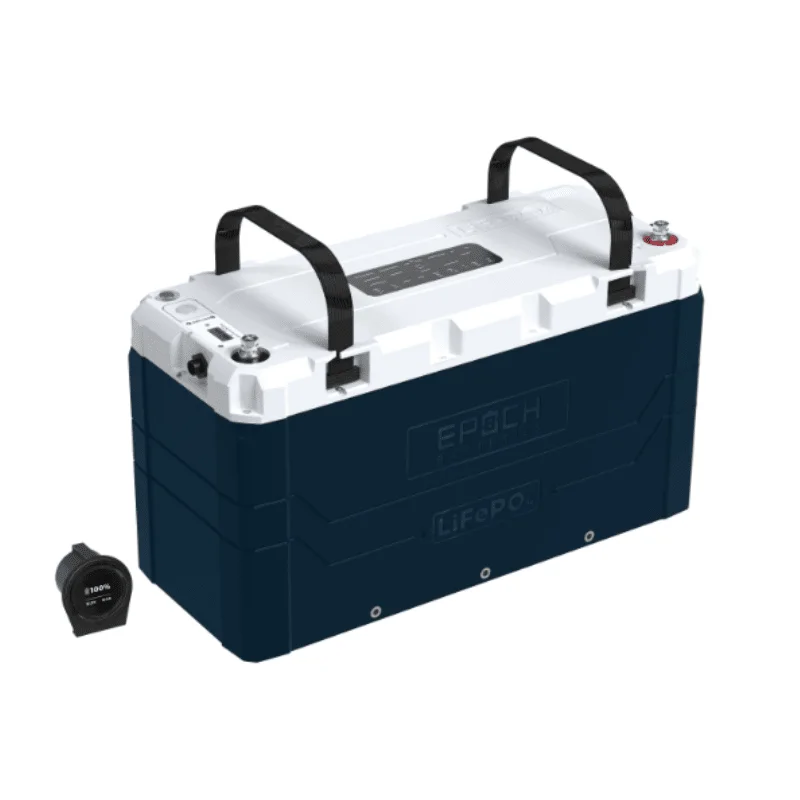
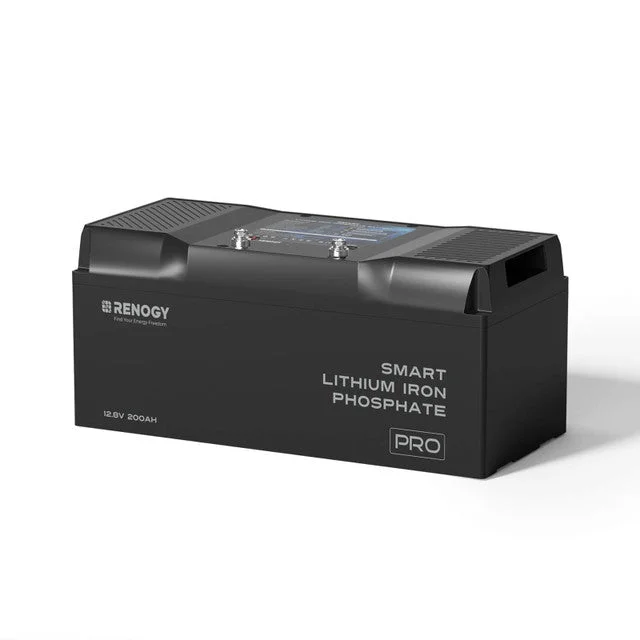
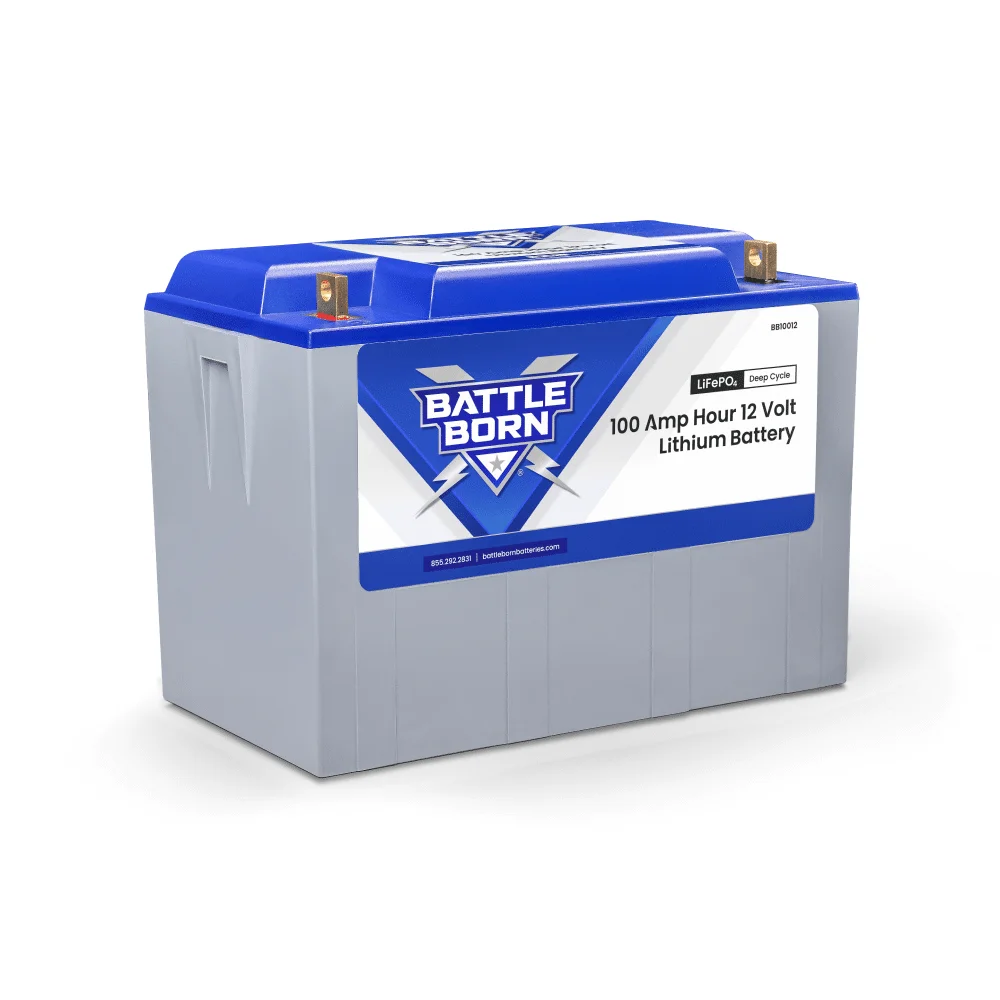
SpecBattle Born 100Ah 12V LiFePO4Victron Smart Lithium 12.8V 200AhBattle Born 200Ah 6V LiFePO4 GC3Epoch 460Ah 12V LiFePO4 Server RackRenogy 200Ah 12V LiFePO4
Our Score9.2/109.0/108.9/108.8/108.8/10
Price $925 $1,600 $1,400 $900 $600
Capacity100Ah200Ah200Ah460Ah200Ah
Voltage12V12.8V6V12V12V
Cycle Life3,0005,0003,0007,0004,000
Weight31 lbs55.1 lbs30 lbs94 lbs52.9 lbs
BluetoothYes
IP RatingN/AN/AIP65N/AIP65
Warranty10 yr5 yr10 yr10 yr5 yr

How LiFePO4 Batteries Work

LiFePO4 batteries use lithium iron phosphate as the cathode material and graphite as the anode. During discharge, lithium ions move from the anode to the cathode through an electrolyte, releasing energy. During charging, the process reverses. This intercalation mechanism is shared with other lithium-ion chemistries, but the iron phosphate cathode provides unique advantages — for a deeper breakdown, see our LiFePO4 primer.

The iron-phosphate bond is extremely stable. Unlike cobalt-based lithium-ion cells used in laptops and phones, LiFePO4 cells do not experience thermal runaway under normal abuse conditions. They do not catch fire or explode when punctured, overcharged, or short-circuited. This inherent safety makes them ideal for unattended off-grid installations.

Every LiFePO4 battery includes a Battery Management System (BMS) that monitors individual cell voltages, temperature, and current. The BMS balances cells during charging to ensure uniform wear, and it disconnects the battery if any parameter exceeds safe limits. Higher-end batteries include Bluetooth-enabled BMS boards that let you monitor state-of-charge, cell voltages, and cycle count from your phone.

Who LiFePO4 Batteries Are Best For

  • Off-grid cabin and homestead owners — The long cycle life and deep discharge capability make LiFePO4 the clear choice for daily solar storage. Build a bank of 100Ah or 200Ah batteries in 12V, 24V, or 48V configurations to match your inverter. See our off-grid cabin battery guide.
  • RV and marine users — LiFePO4 batteries weigh 60 to 70 percent less than equivalent lead-acid batteries. For RVs and boats where weight directly affects fuel economy and handling, the weight savings alone justify the upgrade.
  • Home backup and emergency power — Paired with a hybrid inverter and solar panels, a LiFePO4 battery bank provides seamless backup power during grid outages. Unlike generators, they operate silently and require no fuel.
  • DIY solar system builders — LiFePO4 drop-in replacement batteries fit standard Group 24, 27, and 31 battery boxes. Pair with our DIY solar system build guide.

Related

Frequently Asked Questions

How many years does a LiFePO4 battery last?
LiFePO4 batteries are rated for 3,000 to 5,000+ charge cycles before reaching 80% of original capacity. With daily cycling, that translates to 8 to 14 years of active use. Calendar aging adds another constraint, but most LiFePO4 cells retain useful capacity for 15 or more years even with moderate use. This far exceeds the 500 to 1,000 cycle lifespan of standard lithium-ion or the 300 to 500 cycle lifespan of lead-acid.
Can LiFePO4 batteries be charged in cold weather?
LiFePO4 batteries should not be charged below 32 degrees Fahrenheit (0 degrees Celsius) as it can cause lithium plating on the anode, permanently damaging the cells. Many quality LiFePO4 batteries include a built-in low-temperature cutoff that prevents charging below the safe threshold. Some premium models include an integrated heating element that warms the cells before charging begins. Discharging in cold weather is safe, though capacity is temporarily reduced.
Do I need a special charger for LiFePO4 batteries?
Yes. LiFePO4 batteries require a charger with a specific voltage profile. A 12V LiFePO4 battery charges to 14.4 to 14.6V (compared to 14.7V for lead-acid). Using a lead-acid charger can overcharge LiFePO4 cells and trigger the BMS to shut down the battery for protection. Most solar charge controllers and inverter-chargers have a LiFePO4 profile setting. Always verify compatibility before connecting.