1
Renogy
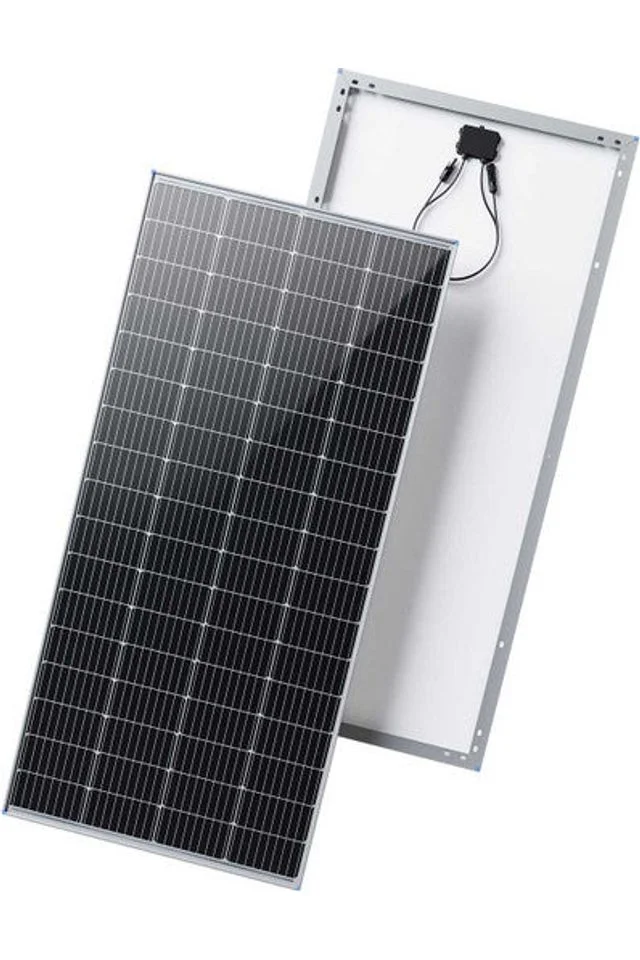
Renogy 200W 12V Monocrystalline Solar Panel
Weight
26.5 lbs
$170
$200
Save $30
Rigid monocrystalline solar panels are the backbone of permanent off-grid power systems. Cut from a single silicon crystal, they deliver 21–24% conversion efficiency, 25-year performance warranties, and the most watts per square foot of any mainstream panel type. Below: our ranked top picks for cabin and RV roof installations.
Ranked by overall score from our independent testing methodology. Click any card for the full review.
Renogy

EcoFlow
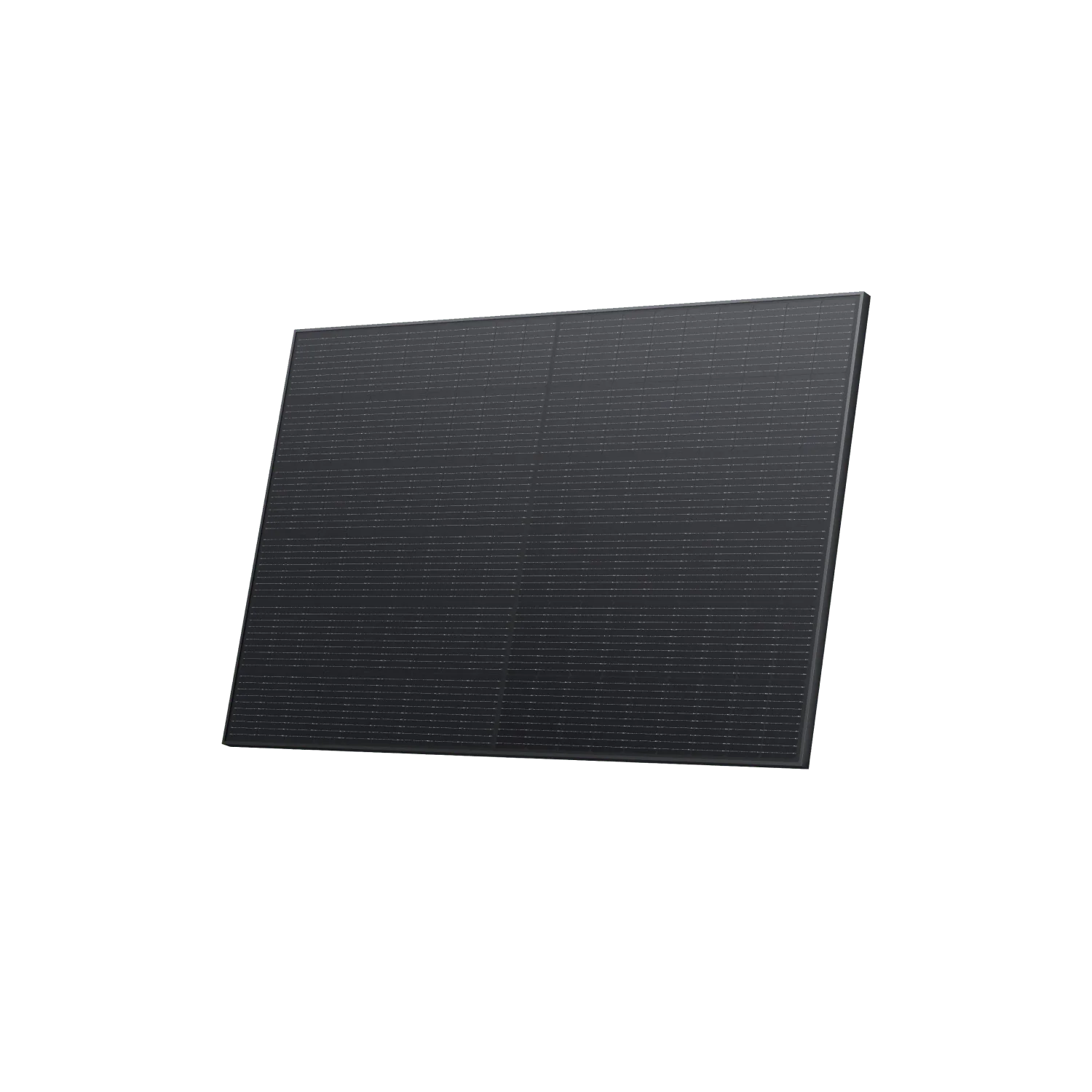
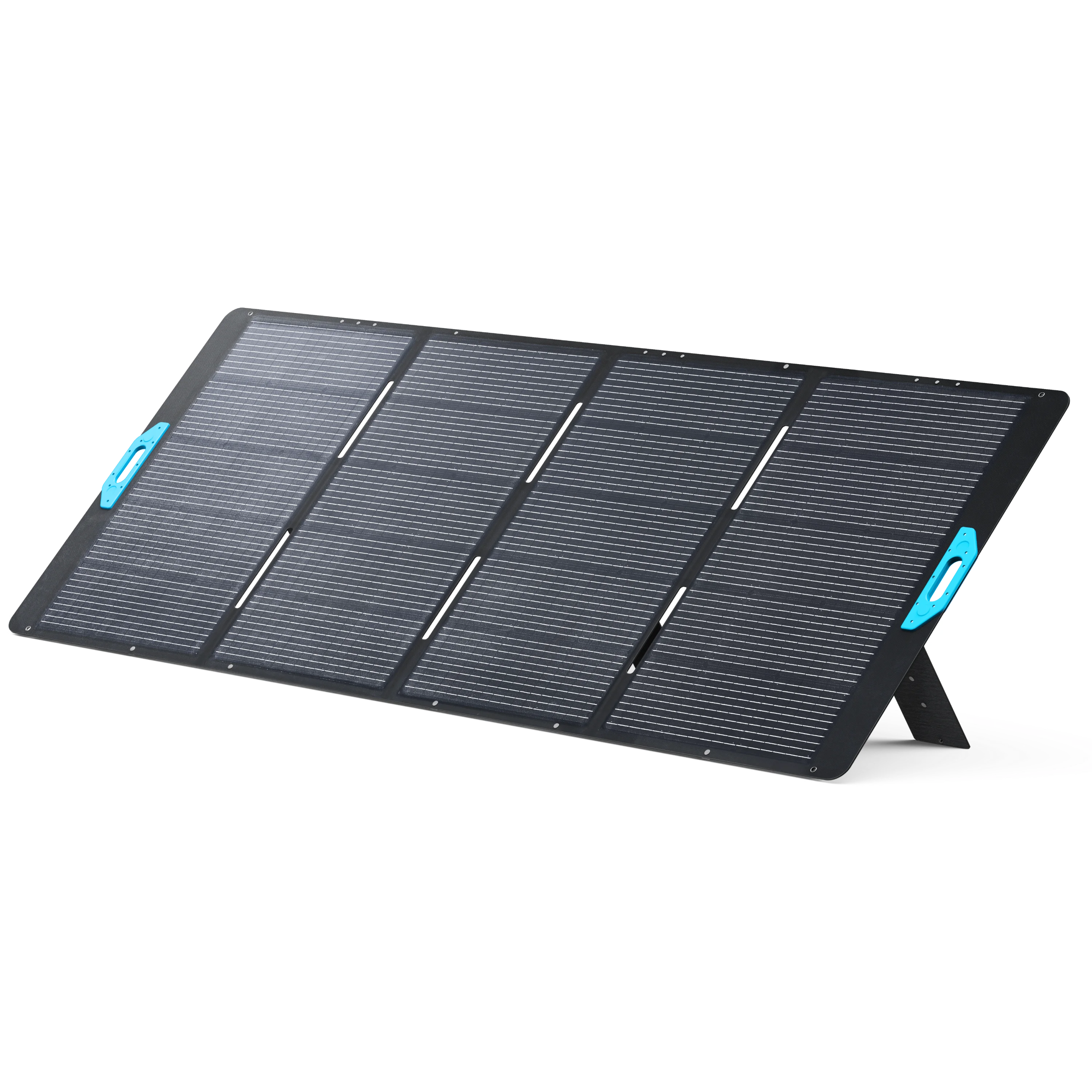
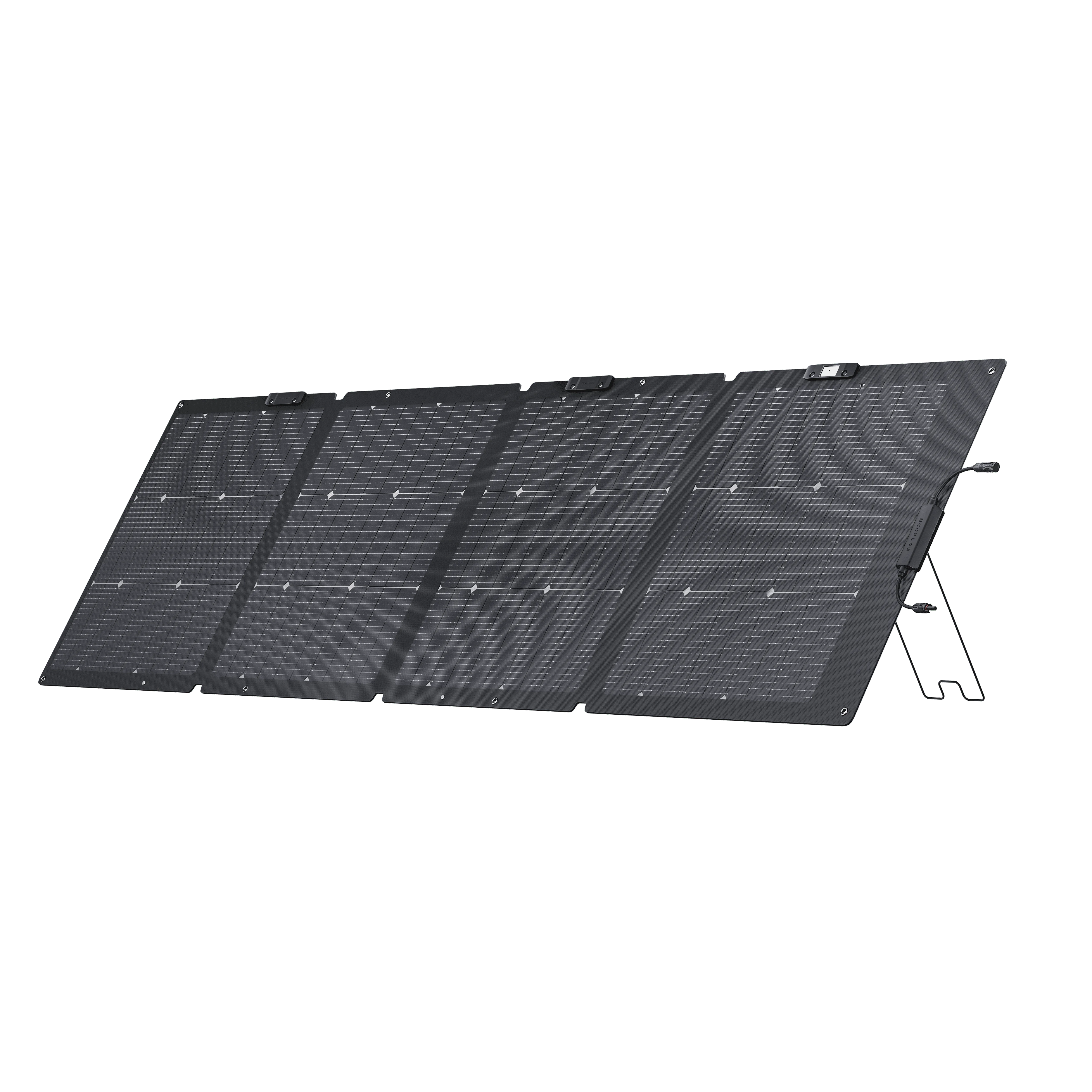
| Spec | Renogy 200W 12V Monocrystalline Solar Panel | EcoFlow 400W Rigid Solar Panel | Anker SOLIX PS400 | BLUETTI PV420 Foldable Solar Panel | EcoFlow 220W Bifacial Portable Solar Panel |
|---|---|---|---|---|---|
| Our Score | 9.0/10 | 8.8/10 | 8.6/10 | 8.5/10 | 8.4/10 |
| Price | $170 | $499 | $549 | $699 | $399 |
| Wattage | 200W | 400W | 400W | 420W | 220W |
| Efficiency | 22.8% | 23% | 23% | 23.4% | 23% |
| Voc | 24.8V | 49.4V | 49.2V | 59.5V | 21.8V |
| Weight | 26.5 lbs | 35.3 lbs | 32 lbs | 30.6 lbs | 20.9 lbs |
| Dimensions | 58.7 x 26.8 x 1.4 in | 68.9 x 41.3 x 1 in | 94.1 x 42.7 x 1.6 in (unfolded) | 89.8 x 41 x 1 in (unfolded) | 82.0 x 183.0 x 2.5 cm (unfolded) |
| Warranty | 5 yr | 5 yr | 5 yr | 2 yr | 1 yr |
Monocrystalline solar cells are manufactured from a single continuous crystal of silicon grown using the Czochralski process. This uniform crystal structure allows electrons to flow more freely, resulting in higher electrical efficiency compared to polycrystalline or thin-film technologies.
Each panel contains 60 to 72 individual cells wired in series to produce voltages suitable for battery charging or grid-tie inverters. Common configurations output 30 to 40 volts open circuit, which is stepped down by an MPPT charge controller to the appropriate battery charging voltage (12V, 24V, or 48V depending on your system).
Newer panels use half-cut cell technology, where each cell is laser-cut in half. This reduces internal resistance and improves shade tolerance because the panel is divided into independent sections. If one section is shaded, the other continues producing at full capacity rather than dragging the entire panel output down. For a deeper look see our solar panel types primer.