Capacity (Ah)
Amp-hours determine how long your battery lasts per charge. For off-grid cabin battery bank, we recommend at least 100Ah.
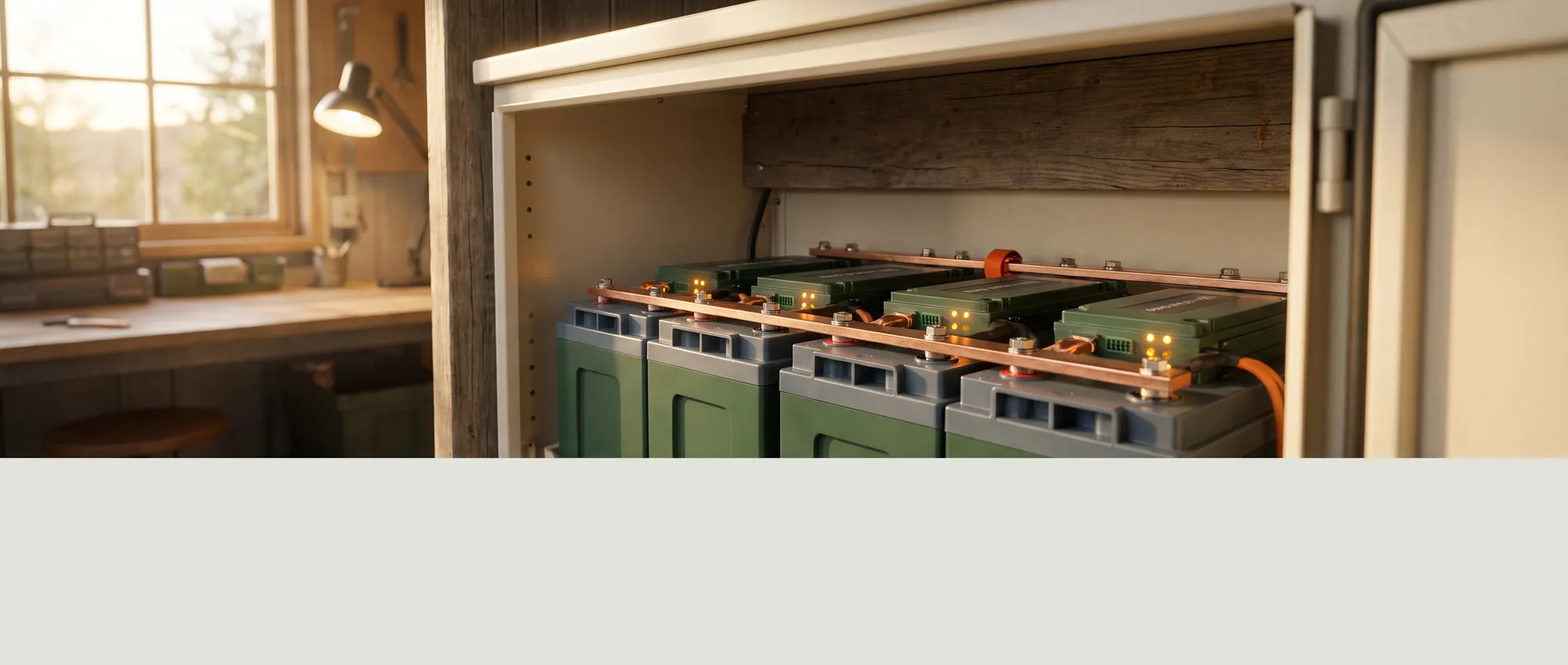
Off-Grid Cabin Battery Bank
High-capacity battery banks for off-grid cabins paired with solar and inverter systems
An off-grid cabin battery bank needs to store enough energy to get through cloudy days and long winter nights. LiFePO4 chemistry with 4,000+ cycle life ensures your battery bank lasts a decade or more of daily cycling without significant degradation.
Before comparing specific products, here are the key specs and features that matter most for off-grid cabin battery bank.
Amp-hours determine how long your battery lasts per charge. For off-grid cabin battery bank, we recommend at least 100Ah.
12V batteries are standard for RVs, boats, and small cabins. 24V and 48V systems are more efficient for larger installations (less current = thinner wires, less loss). Match voltage to your inverter and charge controller.
Watt-hours is the true measure of stored energy. Calculate your daily consumption in Wh, then size your battery bank for 2-3 days of autonomy. A 100Ah 12V battery stores 1,280Wh of usable energy.
LiFePO4 batteries deliver 3,000-5,000 cycles to 80% capacity. At one cycle per day, that is 8-14 years of service. Cheaper batteries with lower cycle life cost more per kWh over their lifetime.
Series connections increase voltage (e.g., two 12V batteries = 24V). Parallel connections increase capacity (e.g., two 100Ah = 200Ah). Verify the BMS supports your wiring configuration and check maximum number of parallel units.
Higher continuous discharge amps support larger inverter loads. A 2,000W inverter on a 12V bank draws ~170A. Verify your battery can sustain the current your inverter demands without BMS cutoff.
A Battery Management System protects against overcharge, over-discharge, short circuit, and temperature extremes. All quality LiFePO4 batteries include a BMS. Check for low-temp charging cutoff if you operate in freezing conditions.
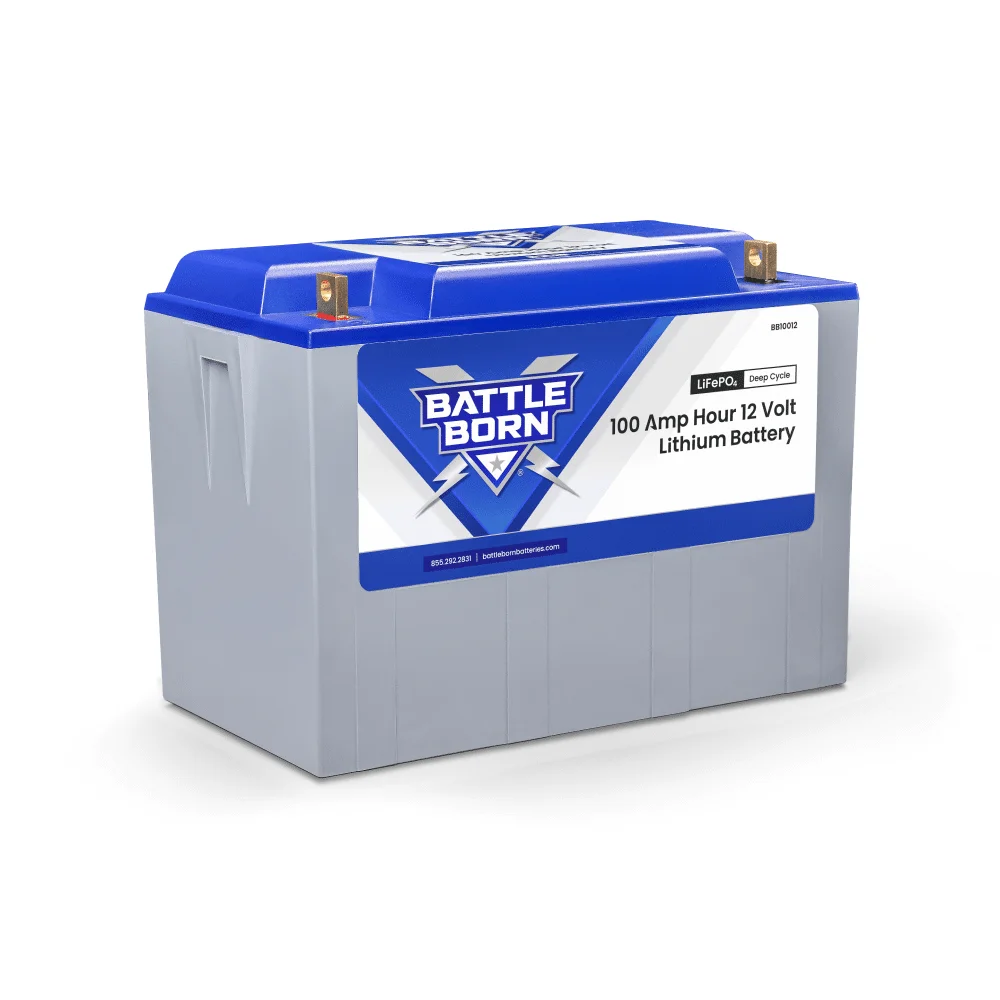
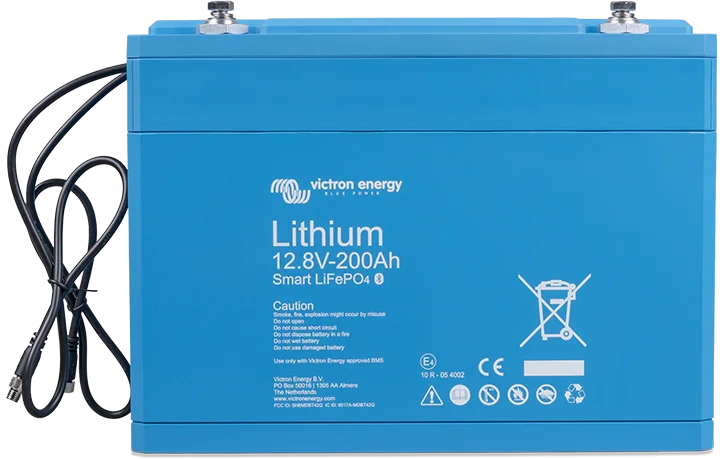
Victron
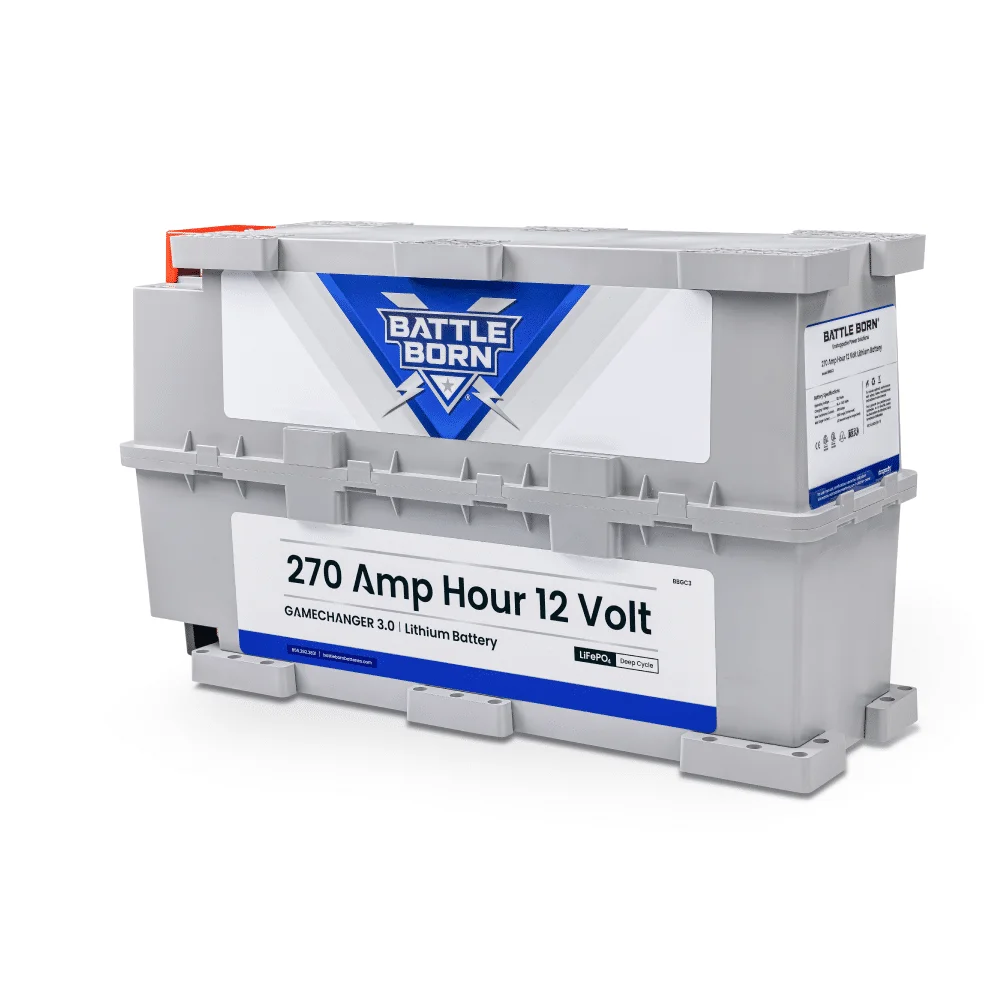
Battle Born
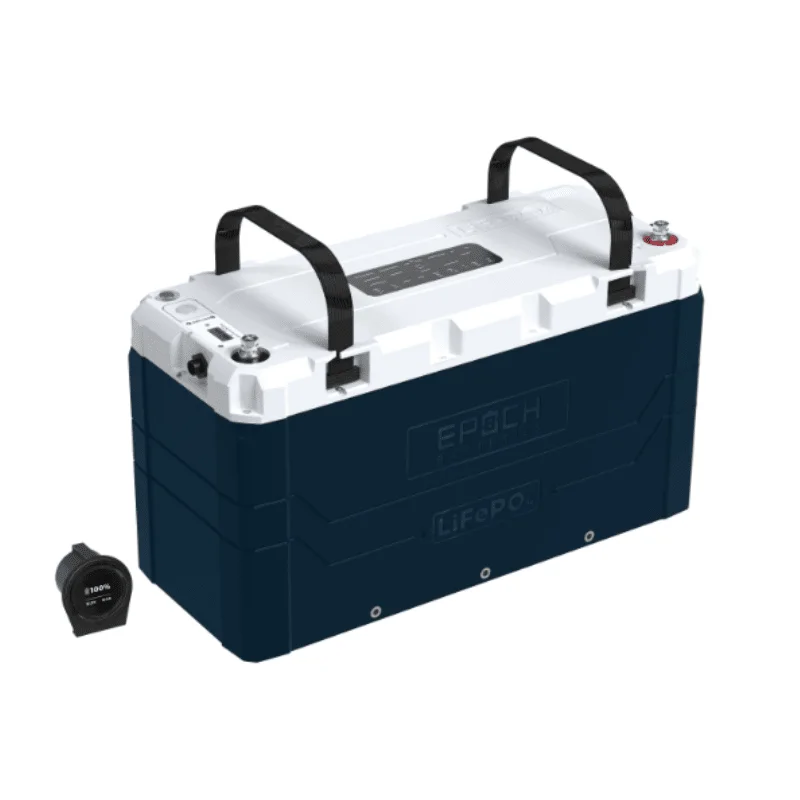
Epoch
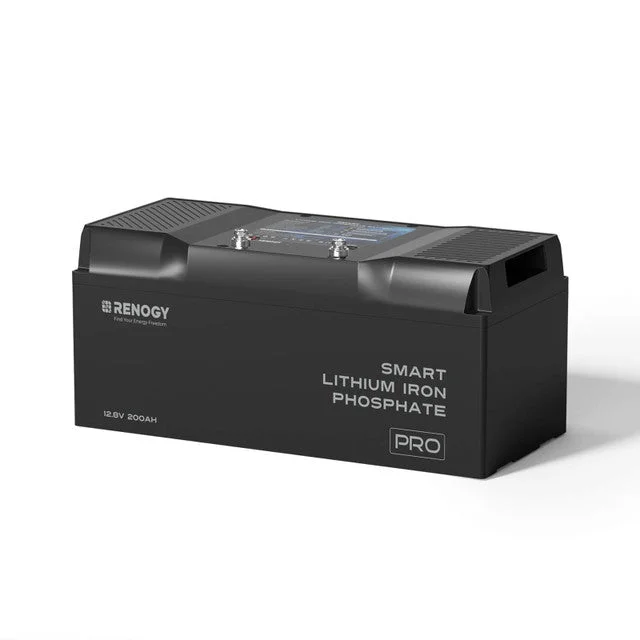
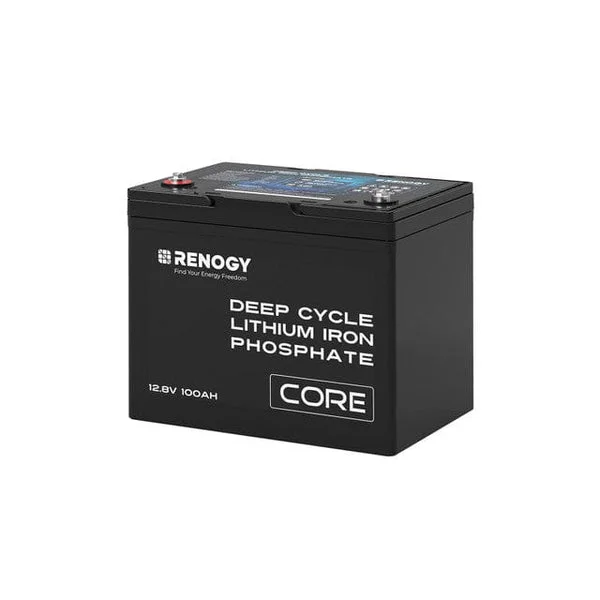
Renogy
Epoch
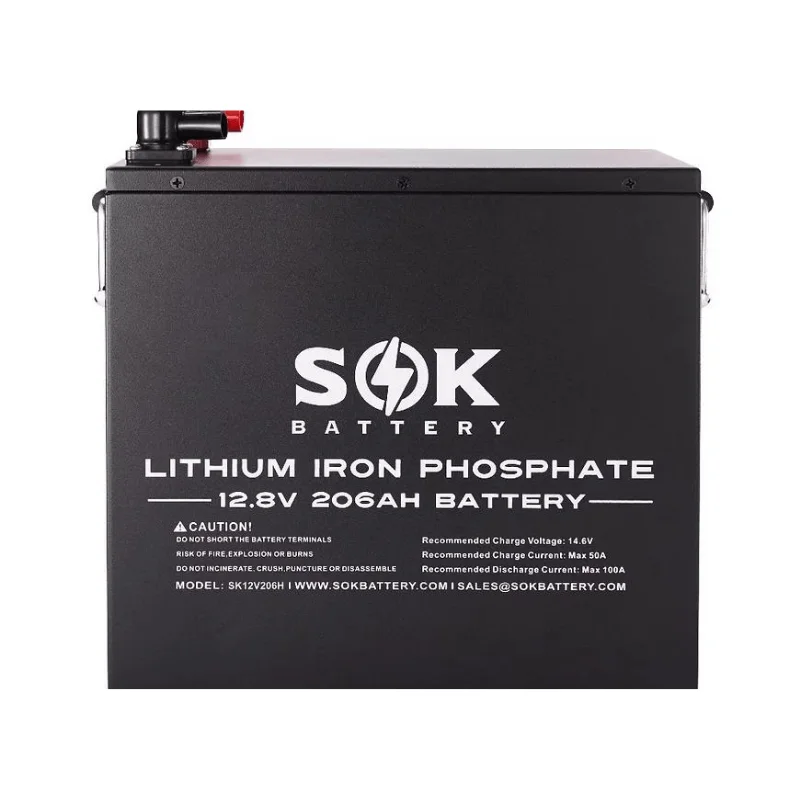
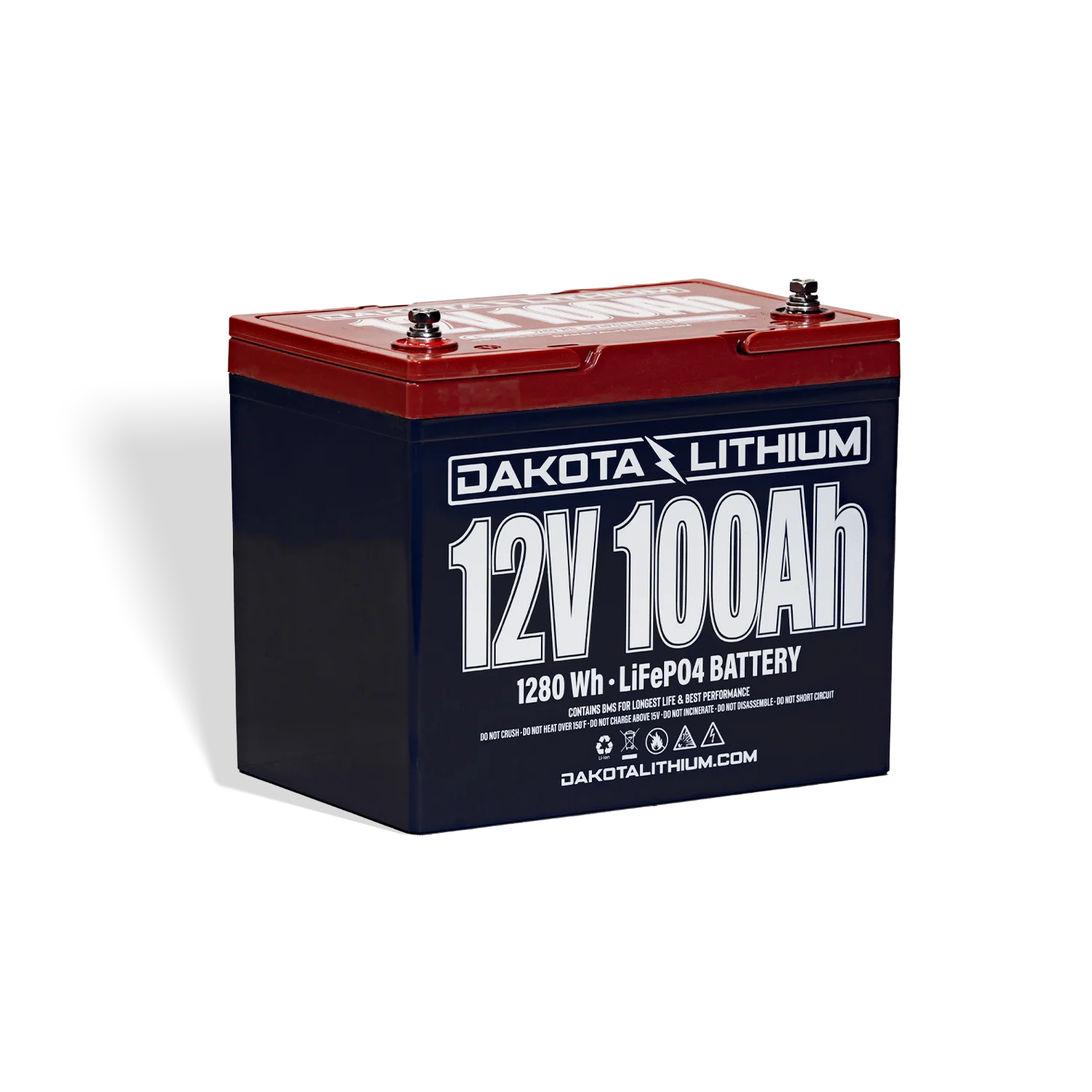
Dakota Lithium
Epoch
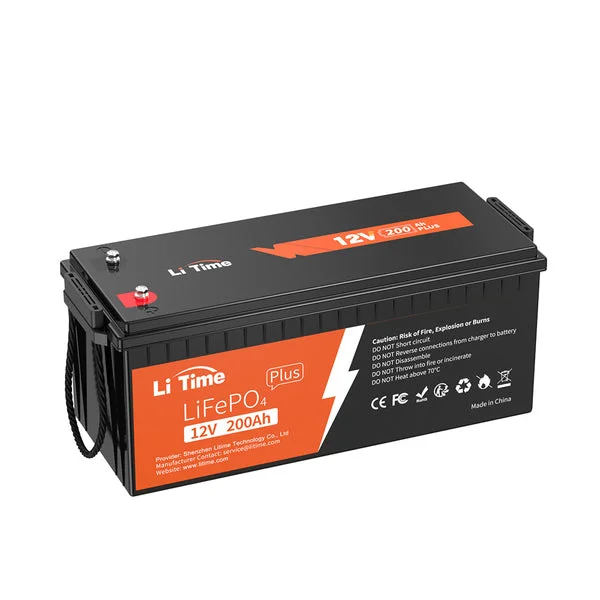
LiTime
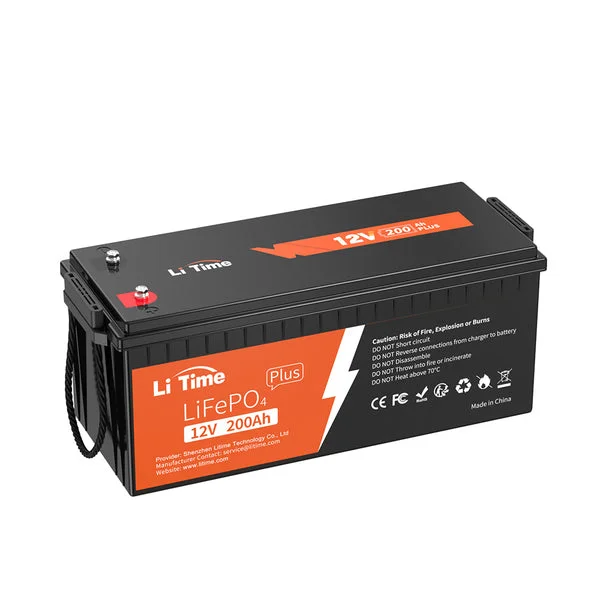
Ampere Time
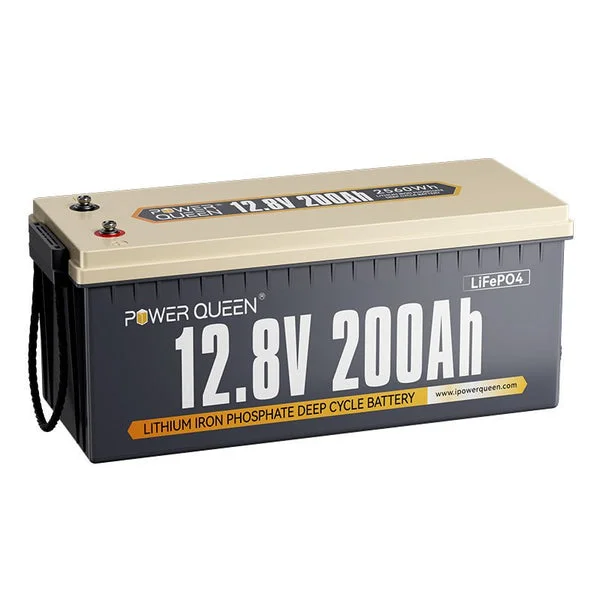
Power Queen
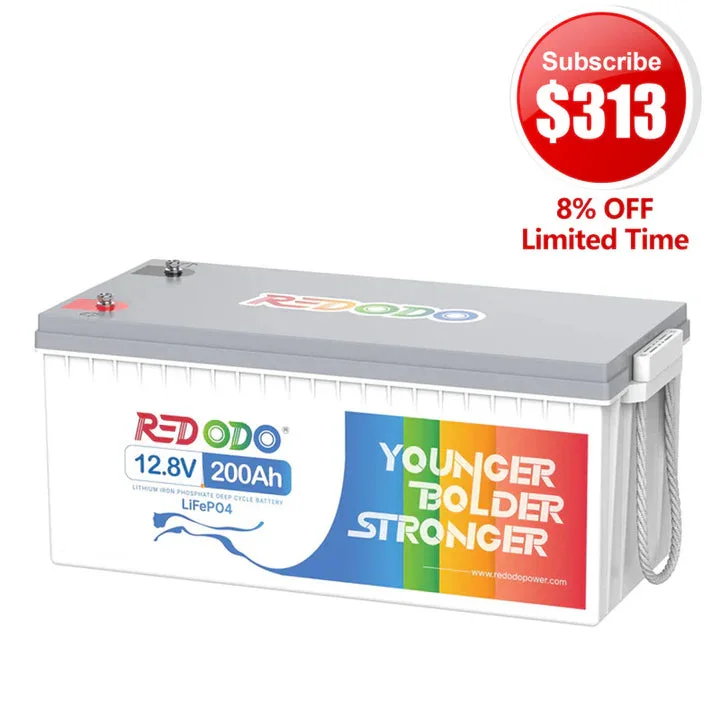
Redodo