Goal Zero Boulder 200 Briefcase Solar Panel vs Renogy 200W 12V Monocrystalline Solar Panel
Head-to-head comparison of Goal Zero Boulder 200 Briefcase Solar Panel vs Renogy 200W 12V Monocrystalline Solar Panel. Specs, efficiency, pricing, pros/cons, and our verdict on which solar panel to buy.
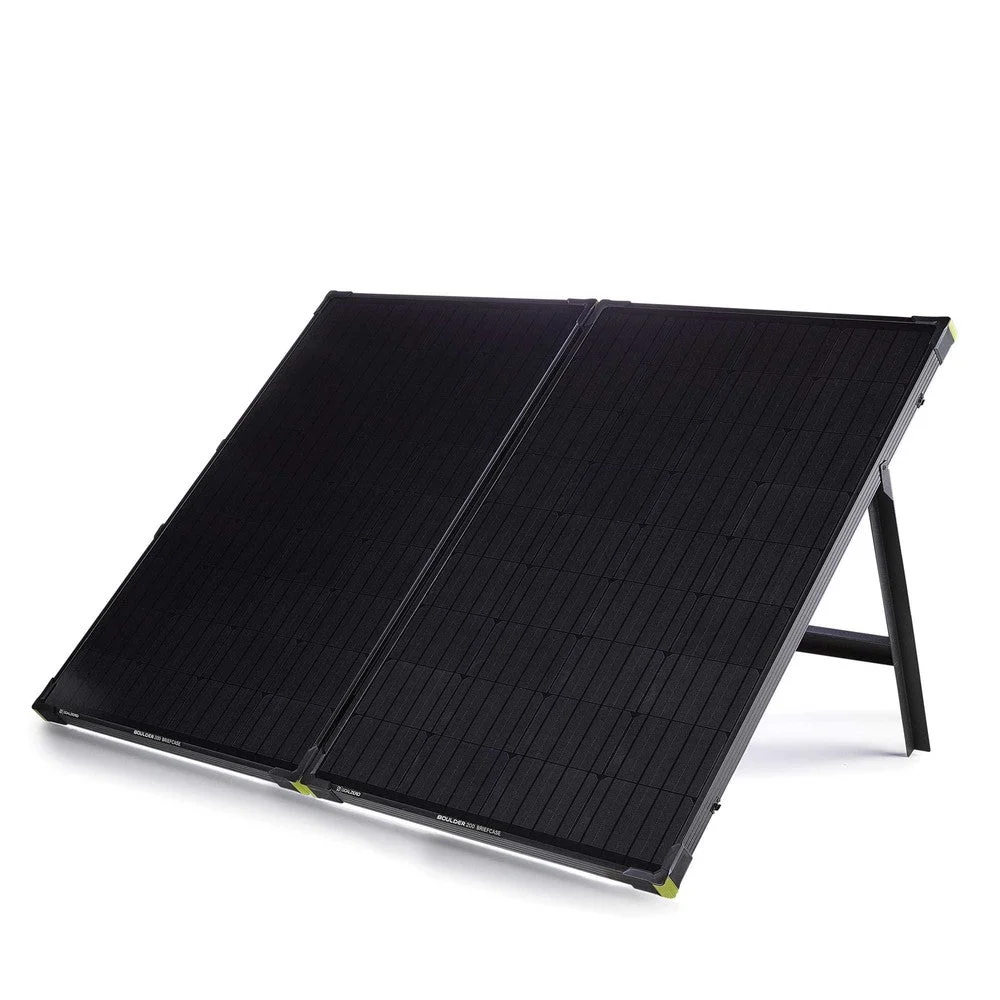
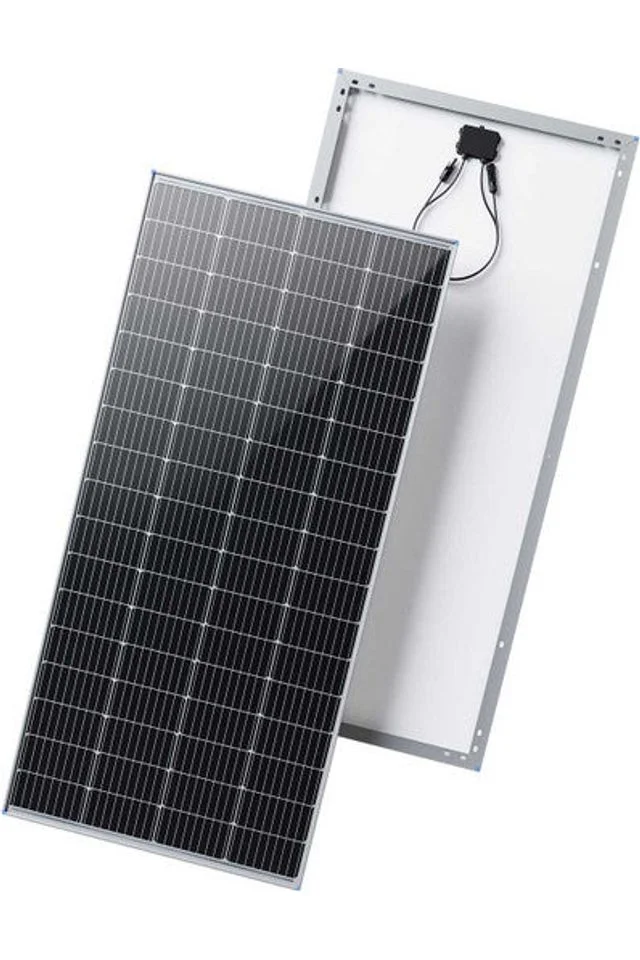
| Specification | goal-zero Goal Zero Boulder 200 Briefcase Solar Panel 8.0/10 $400 Check Price on Amazon $450
Save $50 | |
|---|---|---|
| Wattage | 200 | 200 |
| Panel Type | monocrystalline | monocrystalline |
| Efficiency Pct | 21.5 | 22.8 |
| Weight | 45.2 lbs | 26.5 lbs |
| Dimensions | 57.25 x 26.75 x 2.75 in | 58.7 x 26.8 x 1.4 in |
| Connector Type | 8mm + MC4 adapter | MC4 |
| Ip Rating | IP32 | IP65 |
| Warranty | 1 years | 5 years |
| Foldable | No | No |
| Voc | 24.5 | 24.8 |
| Isc | 10.8 | 10.57 |
| Vmp | 20.2 | 20.4 |
| Imp | 9.9 | 9.8 |
| Operating Temp | 32-113F | -40 to 176F |
| Cells | monocrystalline silicon | PERC monocrystalline |
| Frame | anodized aluminum | corrosion-resistant aluminum |
| Kickstand | Yes | — |
🏆 Our Verdict
Choose the Goal Zero Boulder 200 Briefcase Solar Panel if you need higher performance .
Choose the Renogy 200W 12V Monocrystalline Solar Panel if you prioritize value (typically $230 less) , portability (26.5 lbs vs 45.2 lbs).
Related
Frequently Asked Questions
Is the Goal Zero Boulder 200 Briefcase Solar Panel better than the Renogy 200W 12V Monocrystalline Solar Panel?
The Renogy 200W 12V Monocrystalline Solar Panel scores 9/10 vs 8/10 overall. Choose based on whether you prioritize value and portability.
Which is more portable, Goal Zero Boulder 200 Briefcase Solar Panel or Renogy 200W 12V Monocrystalline Solar Panel?
The Renogy 200W 12V Monocrystalline Solar Panel is lighter at 26.5 lbs vs 45.2 lbs.
Which offers better value, Goal Zero Boulder 200 Briefcase Solar Panel or Renogy 200W 12V Monocrystalline Solar Panel?
The Goal Zero Boulder 200 Briefcase Solar Panel costs $400 while the Renogy 200W 12V Monocrystalline Solar Panel costs $170. Compare their wattage and efficiency to determine cost-per-watt value.