Renogy 100Ah 12V LiFePO4 vs SOK 206Ah 12V LiFePO4
Renogy 100Ah 12V LiFePO4 (100Ah) vs SOK 206Ah 12V LiFePO4 (206Ah) compared spec-by-spec. Cycle life, BMS, pricing, pros, cons, and our verdict on which off-grid battery to buy.
| Specification | ||
|---|---|---|
| Capacity Ah | 100 | 206 |
| Voltage | 12 | 12 |
| Energy Wh | 1,280 | 2,636 |
| Battery Type | LiFePO4 | LiFePO4 |
| Cycle Life | 4,000 cycles | 4,000 cycles |
| Weight | 26 lbs ✓ Winner | 47 lbs |
| Dimensions | 11.4 x 6.8 x 7.4 in | 20.5 x 10.6 x 8.5 in |
| Bms Included | Yes | Yes |
| Max Continuous Discharge A | 100 | 150 |
| Max Charge Rate A | 50 | 100 |
| Cold Temp Cutoff | 32F (0C) | 32F (0C) |
| Operating Temp | 32-131F | 32-131F |
| Series Parallel | Yes | Yes |
| Ip Rating | IP65 | N/A |
| Warranty | 5 years | 7 years ✓ Winner |
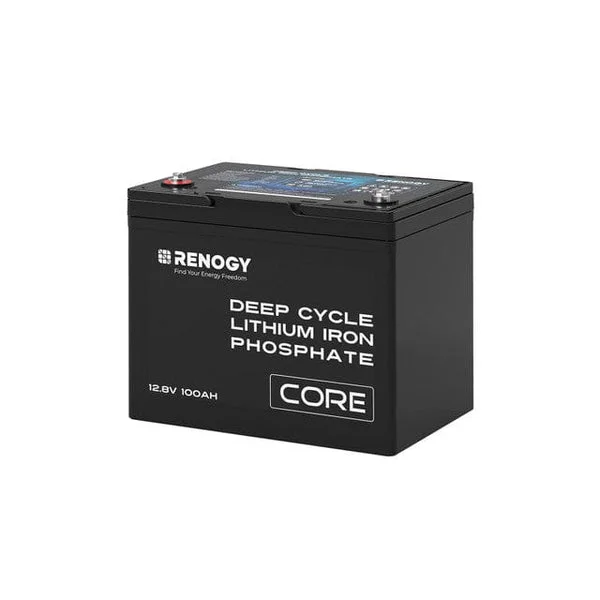
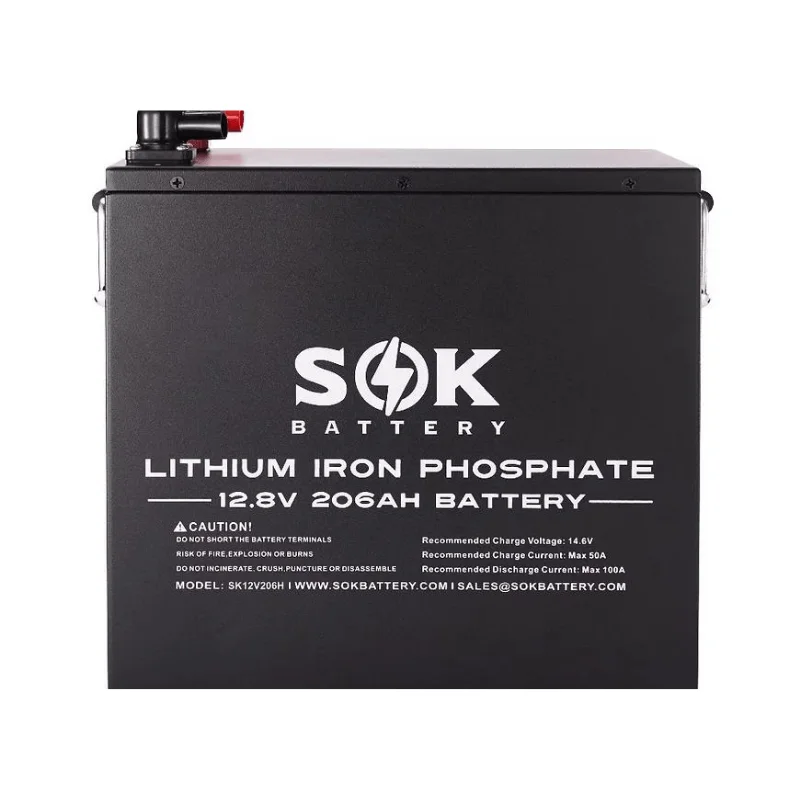
Buy the Renogy 100Ah 12V LiFePO4
Best prices · Updated hourly
Buy the SOK 206Ah 12V LiFePO4
Best prices · Updated hourly
Who Should Buy the Renogy 100Ah 12V LiFePO4?
The Renogy 100Ah 12V LiFePO4 is built for rv house battery, off grid cabin bank, marine. Its 100Ah at 12V gives you 1.2kWh of usable energy — suitable for a standalone house battery or small bank.
Key advantages include: ip65 waterproof rating — rare for this price range; built-in bluetooth monitoring via renogy dc home app; trusted renogy ecosystem integrates with their solar controllers. At 26 lbs, it's manageable for a one-person install.
Priced at $280, the Renogy 100Ah 12V LiFePO4 scores 8.4/10 overall — a strong showing across the board.
Who Should Buy the SOK 206Ah 12V LiFePO4?
The SOK 206Ah 12V LiFePO4 is built for rv house battery, off grid cabin bank, marine. Its 206Ah at 12V gives you 2.5kWh of usable energy — enough for a full off-grid battery bank.
Key advantages include: 206ah capacity — one of the best ah-per-dollar ratios on the market; 150a continuous discharge handles heavy loads; 7-year warranty backs long-term reliability. At 47 lbs, plan for a two-person install or lifting equipment.
Priced at $500, the SOK 206Ah 12V LiFePO4 scores 8.7/10 overall — a strong showing across the board.
How Do the Specs Compare?
Capacity: The SOK 206Ah 12V LiFePO4 offers more amp-hours at 206Ah vs 100Ah for the Renogy 100Ah 12V LiFePO4. More Ah means more runtime before hitting the safe depth-of-discharge floor — critical for overnight draws and cloudy multi-day stretches.
Chemistry: Both batteries use LiFePO4 chemistry, so cycle life and thermal stability are in the same ballpark — the specs and price become the main differentiators.
Cycle life: The Renogy 100Ah 12V LiFePO4 is rated for 4,000 cycles versus 4,000 for the SOK 206Ah 12V LiFePO4. At one full cycle per day, that's roughly 11 vs 11 years of daily use — a real long-term cost consideration.
Weight: The Renogy 100Ah 12V LiFePO4 weighs 26 lbs vs 47 lbs for the SOK 206Ah 12V LiFePO4. That's a meaningful difference for installations requiring frequent repositioning or weight-sensitive applications like marine or RV.
Price: The Renogy 100Ah 12V LiFePO4 costs $280 versus $500 for the SOK 206Ah 12V LiFePO4 — a $220 difference. For long-term value, divide the price by the rated cycle life to get a true cost-per-cycle comparison.
🏆 Our Verdict
Choose the Renogy 100Ah 12V LiFePO4 if you need a more portable solution at 26 lbs and longer cycle life (4,000 cycles).
Choose the SOK 206Ah 12V LiFePO4 if you prioritize premium features and build quality .
Related
Go Deeper
More Comparisons