Katadyn Explorer Pro Purifier vs Survivor Filter PRO
Katadyn Explorer Pro Purifier vs Survivor Filter PRO compared spec-by-spec. Filtration performance, flow rate, pricing, pros, cons, and our verdict on which water filter to buy.
| Specification | ||
|---|---|---|
| Filter Type | 3-stage ceramic + carbon + hollow-fiber purifier | triple-stage (carbon, ultra-filter, cotton) |
| Filter Stages | 3 | — |
| Contaminants Removed | viruses, bacteria, protozoa, cysts, sediment, chemicals | bacteria, protozoa, microplastics, heavy metals, chemicals |
| Modular | Yes | — |
| Requires Power | No | No |
| Virus Removal | Yes | Yes |
| Weight Oz | — | 10.5 |
| Flow Rate | — | 500 mL/min |
| Filter Life Gallons | — | 26,417 |
| Pore Size | — | 0.01 micron absolute |
| Bpa Free | — | Yes |
| Backflush Capable | — | Yes |
| Includes Pouches | — | No |
| Pouch Capacity Oz | — | 0 |
| Operating Temp | — | above freezing |
| Made In | — | USA |
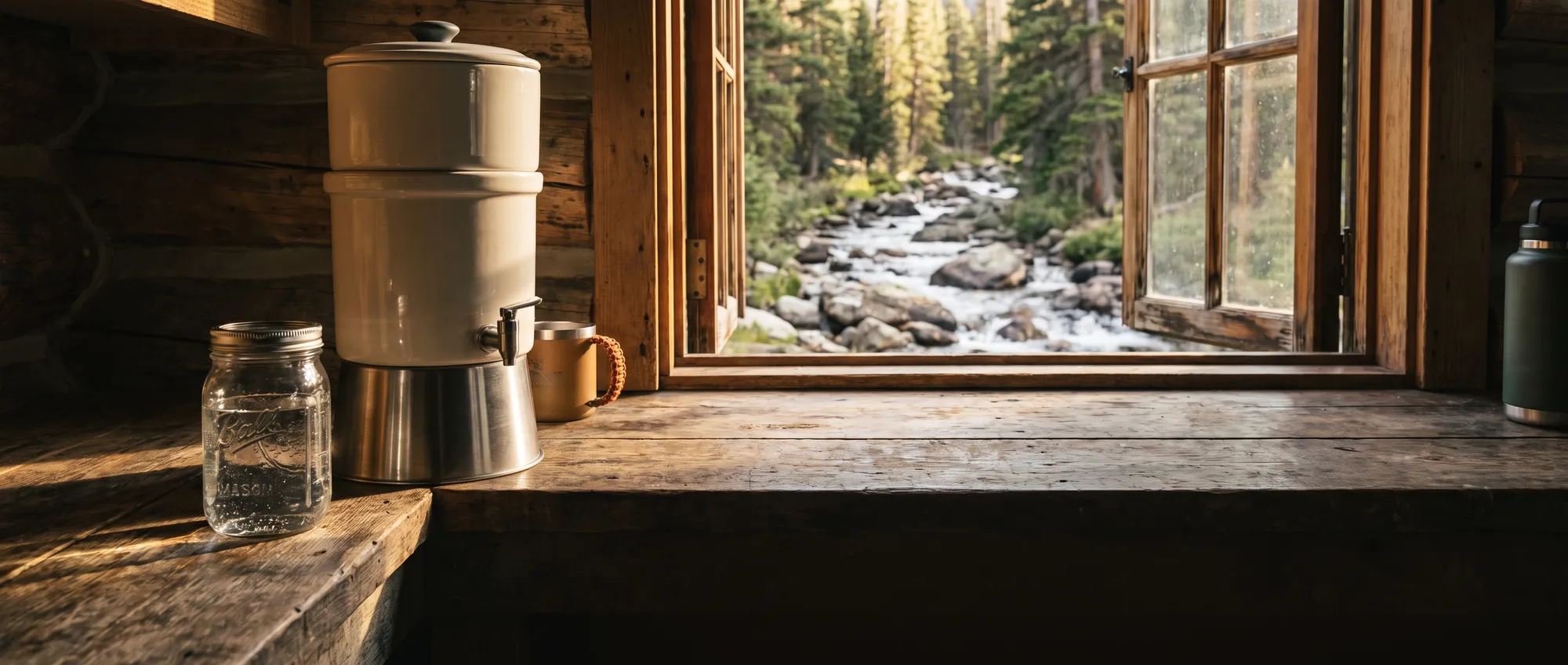
Buy the Katadyn Explorer Pro Purifier
Best prices · Updated hourly
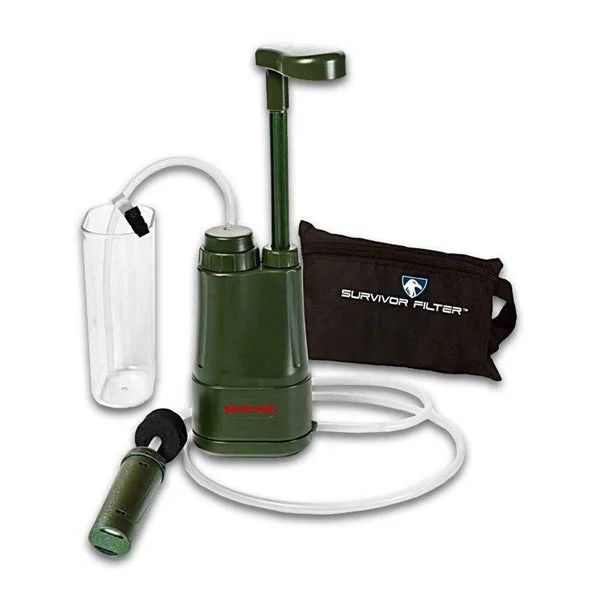
Buy the Survivor Filter PRO
Best prices · Updated hourly
Who Should Buy the Katadyn Explorer Pro Purifier?
The Katadyn Explorer Pro Purifier is designed for virus removal, international travel, emergency preparedness. As a 3-stage ceramic + carbon + hollow-fiber purifier, it removes viruses, bacteria, and protozoa for true purification-level protection.
Key advantages include: 3-stage system adds a hollow-fiber virus stage for full purifier-grade protection; removes viruses, bacteria, and protozoa — safe for high-risk international water; ceramic + carbon stages handle sediment and chemicals ahead of the virus membrane.
Priced at $449.95, the Katadyn Explorer Pro Purifier scores 8.4/10 in our testing — an excellent performer across our key metrics.
Who Should Buy the Survivor Filter PRO?
The Survivor Filter PRO is designed for camping hiking, emergency preparedness, under 100. As a triple-stage (carbon, ultra-filter, cotton), it removes viruses, bacteria, and protozoa for true purification-level protection.
Key advantages include: triple-stage filtration removes bacteria, protozoa, and viruses — rare at this price; 0.01 micron absolute pore size surpasses most competitors; dual-use: works as pump or squeeze filter. At 10.5 oz, it's light enough for backpacking.
Priced at $65, the Survivor Filter PRO scores 8/10 in our testing — an excellent performer across our key metrics.
How Do the Specs Compare?
Filter type: The Katadyn Explorer Pro Purifier is a 3-stage ceramic + carbon + hollow-fiber purifier while the Survivor Filter PRO is a triple-stage (carbon, ultra-filter, cotton). Different filter types suit different scenarios — consider your primary use case when choosing between them.
Filtration performance: The Katadyn Explorer Pro Purifier scores higher on filtration at 9.3/10 versus 9/10 for the Survivor Filter PRO. Both provide reliable protection for their intended use cases.
Price: The Survivor Filter PRO costs $65 versus $449.95 for the Katadyn Explorer Pro Purifier — a $384.95 difference. If the pricier unit offers significantly better filtration performance or longer filter life, the upfront cost difference often pays for itself over time.
🏆 Our Verdict
Choose the Katadyn Explorer Pro Purifier if you need top-tier filtration performance and premium build quality and features.
Choose the Survivor Filter PRO if you prioritize value (typically $384.95 less) .
Related
Go Deeper
More Comparisons