Anker SOLIX C1000 vs Goal Zero Yeti 1500 (6th Gen)
Comparing Anker SOLIX C1000 vs Goal Zero Yeti 1500 (6th Gen): Anker SOLIX C1000 scores 8.9/10 and Goal Zero Yeti 1500 (6th Gen) scores 8.9/10 in our benchmark testing. Goal Zero Yeti 1500 (6th Gen) wins overall — Goal Zero Yeti 1500 (6th Gen) scores higher on power and features while Anker SOLIX C1000 offers better value.
Anker SOLIX C1000 (1056Wh) vs Goal Zero Yeti 1500 (6th Gen) (1505Wh) compared spec-by-spec. Real-world testing, pricing, pros, cons, and our verdict on which power station to buy.
| Specification | ||
|---|---|---|
| Capacity | 1,056Wh | 1,505Wh ✓ Winner |
| AC Output | 1,800W | 2,000W ✓ Winner |
| Surge Output | 2,400W | 3,600W ✓ Winner |
| Weight | 28 lbs | — |
| Dimensions | 14.7 x 8.3 x 10.1 in | — |
| Battery Type | LiFePO4 | LiFePO4 |
| Cycle Life | 3,000 cycles | — |
| AC Charge Time | 58 min | — |
| Max Solar Input | 600W | 900W ✓ Winner |
| AC Outlets | 6 | — |
| USB-C Ports | 2 | — |
| USB-A Ports | 2 | — |
| DC Outlets | 2 | — |
| Expandable | No | — |
| Operating Temp | 32-104F | — |
| Warranty | 5 years | — |
| App Control | Yes | — |
| Ip Rating | — | IPX4 |
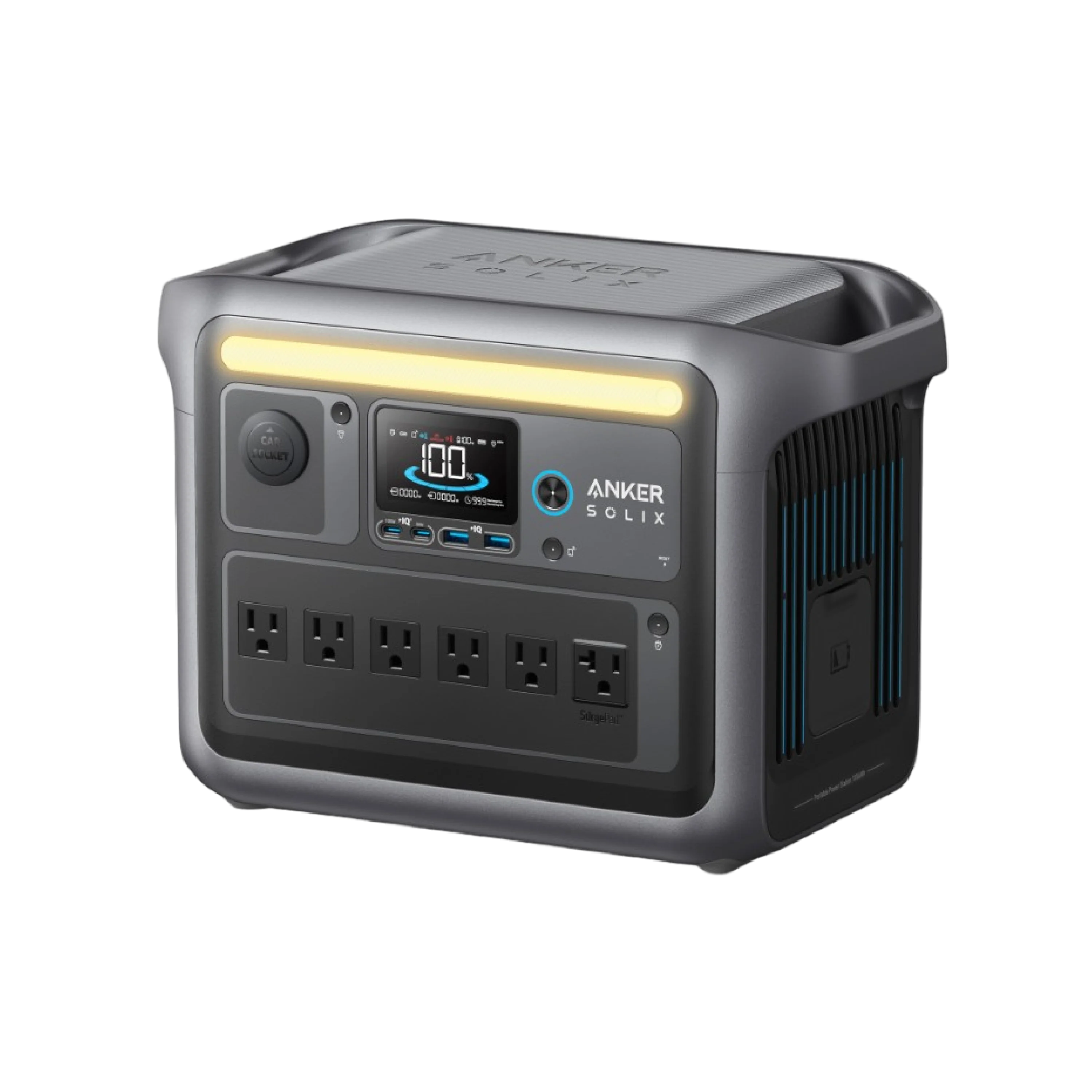
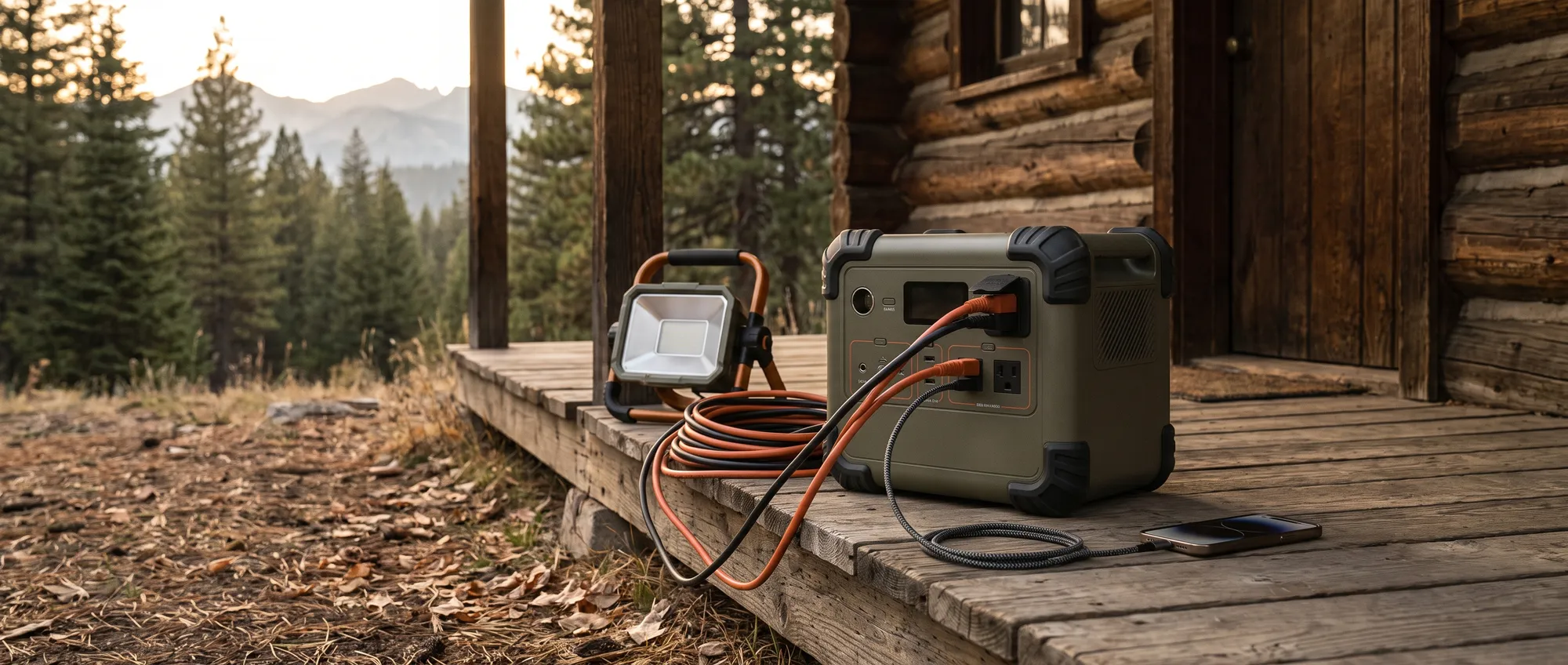
Buy the Anker SOLIX C1000
Best prices · Updated hourly
Buy the Goal Zero Yeti 1500 (6th Gen)
Best prices · Updated hourly
Who Should Buy the Anker SOLIX C1000?
The Anker SOLIX C1000 is the right choice for under 2000, under 1000, car camping. With 1,056Wh of capacity and 1,800W continuous output, it delivers serious power for demanding loads.
Key advantages include: outstanding value at under $800 on sale; only 28 lbs — truly portable; 58-minute fast ac charging. At 28 lbs, it's genuinely portable.
Priced at $799 (MSRP $999), the Anker SOLIX C1000 scores 8.9/10 overall in our benchmark testing — making it a strong performer for most users.
Who Should Buy the Goal Zero Yeti 1500 (6th Gen)?
The Goal Zero Yeti 1500 (6th Gen) is the right choice for emergency home backup, under 2000, rugged jobsite. With 1,505Wh of capacity and 2,000W continuous output, it delivers serious power for demanding loads.
Key advantages include: 1,505wh lifepo4 in an ipx4 aluminum body built to take abuse; 2,000w output (3,600w surge) covers most home and jobsite loads; 900w solar input enables fast off-grid recharging.
Priced at $1,499.95, the Goal Zero Yeti 1500 (6th Gen) scores 8.9/10 overall in our benchmark testing — making it a strong performer for most users.
How Do the Specs Compare?
Capacity: The Goal Zero Yeti 1500 (6th Gen) leads on storage with 1,505Wh versus 1,056Wh for the Anker SOLIX C1000 — a 43% difference that matters most for overnight or multi-day use cases.
Output: The Goal Zero Yeti 1500 (6th Gen) delivers more continuous power at 2,000W vs 1,800W, which determines what appliances you can run simultaneously — things like air conditioners, microwaves, and power tools that demand 1,000W or more.
Price: The Anker SOLIX C1000 costs $799 while the Goal Zero Yeti 1500 (6th Gen) runs $1,499.95 — a $700.95 gap. At that price difference, the more expensive unit needs to deliver meaningfully better performance to justify the premium.
🏆 Our Verdict
Choose the Anker SOLIX C1000 if you need a more portable solution at 28 lbs and strong performance for its class.
Choose the Goal Zero Yeti 1500 (6th Gen) if you prioritize premium features and build quality .
Related
Go Deeper
Best For
More Comparisons