Goal Zero Nomad 50 Foldable Solar Panel vs UDPOWER 210W Solar Panel
Goal Zero Nomad 50 Foldable Solar Panel vs UDPOWER 210W Solar Panel compared spec-by-spec. Real-world output, efficiency, pricing, pros, cons, and our verdict on which solar panel to buy.
| Specification | A — goal-zero Goal Zero Nomad 50 Foldable Solar Panel 7.8/10 $200 Check Price on Amazon $225
Save $25 | |
|---|---|---|
| Wattage | 50 | 210 |
| Panel Type | monocrystalline | monocrystalline |
| Efficiency Pct | 19.5 | — |
| Weight | 7.9 lbs ✓ Winner | 13.2 lbs |
| Dimensions | 60.5 x 21.5 x 0.75 in (unfolded) | 70.9 x 21.3 x 0.8 in (unfolded) |
| Connector Type | 8mm + USB-A | MC4 / XT60 / DC5521 adapters included |
| Ip Rating | IPX4 | — |
| Warranty | 1 years | 5 years ✓ Winner |
| Foldable | Yes | Yes |
| Voc | 17.5 | — |
| Isc | 3.8 | — |
| Vmp | 14.5 | — |
| Imp | 3.45 | — |
| Operating Temp | 32-113F | 14 to 149F |
| Cells | monocrystalline silicon | — |
| Frame | fabric with corner grommets | — |
| Kickstand | Yes | Yes |
| Folded Dimensions | — | 21.3 x 22 x 1.6 in |
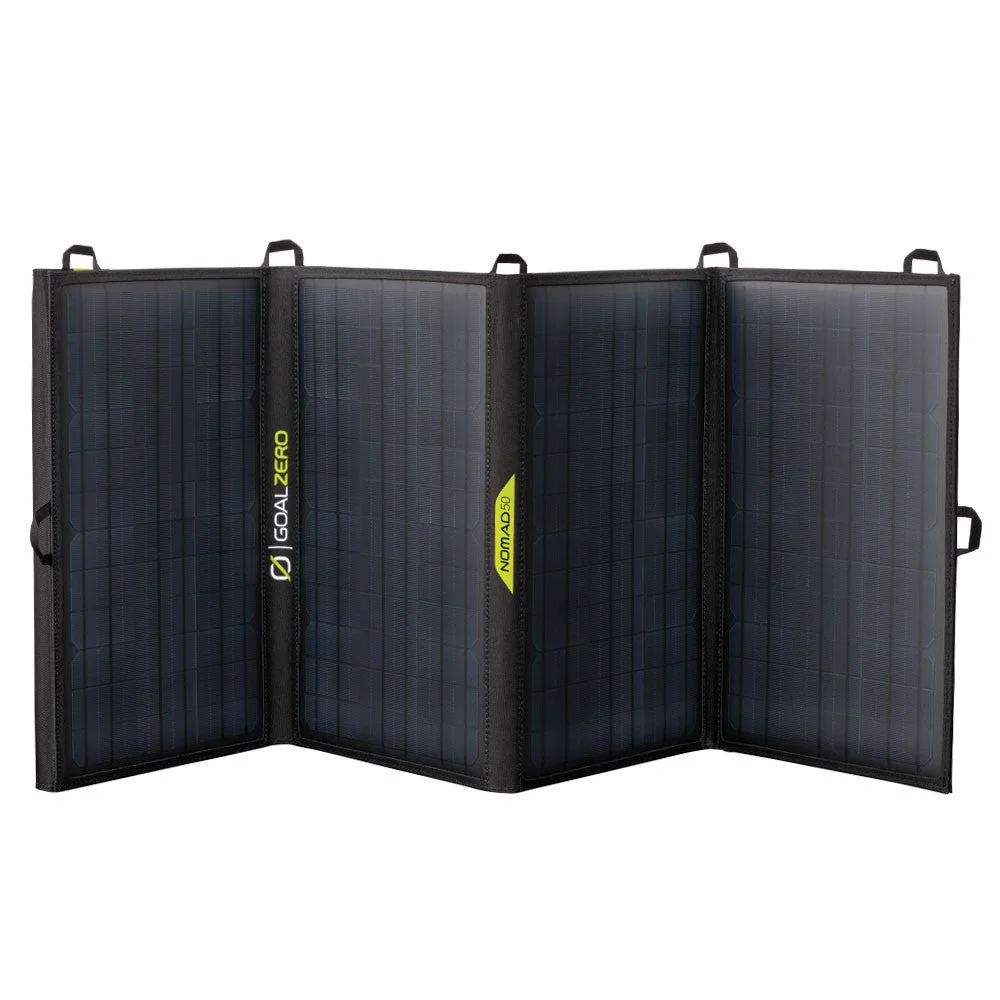
Buy the Goal Zero Nomad 50 Foldable Solar Panel
Best prices · Updated hourly
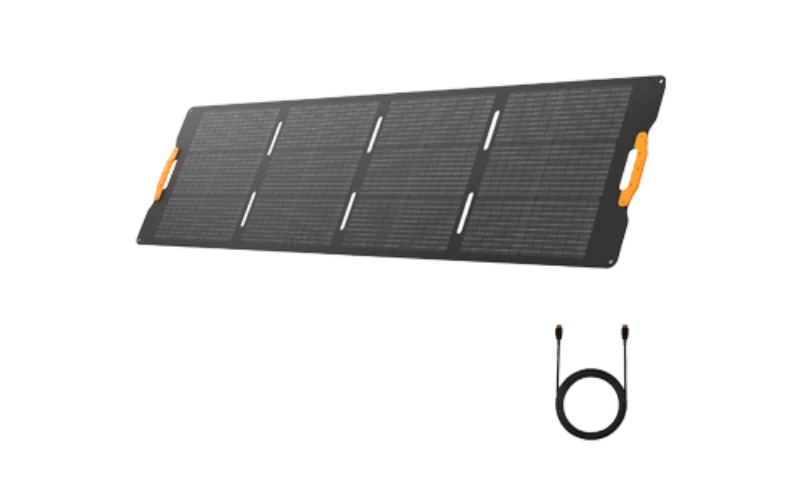
Buy the UDPOWER 210W Solar Panel
Best prices · Updated hourly
Who Should Buy the Goal Zero Nomad 50 Foldable Solar Panel?
The Goal Zero Nomad 50 Foldable Solar Panel is the right fit for camping foldable, backpacking ultralight, portable power stations. At 50W with 19.5% efficiency, it works well as a compact, flexible charging option.
Key advantages include: lightweight at 7.9 lbs — easy to pack and carry; built-in usb-a port for direct device charging; chainable with other nomad panels for more power. At 7.9 lbs, it's manageable for rooftop and portable installs.
At $200 ($4.00/W), the Goal Zero Nomad 50 Foldable Solar Panel scores 7.8/10 — a capable option for budget-conscious buyers.
Who Should Buy the UDPOWER 210W Solar Panel?
The UDPOWER 210W Solar Panel is the right fit for car camping, emergency preparedness, portable power stations. At 210W, it delivers solid output for portable and rooftop arrays.
Key advantages include: 210w is enough to use a meaningful share of the s1200's 400w solar input; 5-year warranty; universal mc4 + xt60 + dc5521 connector set. At 13.2 lbs, it's manageable for rooftop and portable installs.
At $300 ($1.43/W), the UDPOWER 210W Solar Panel scores 8.4/10 — a strong all-around performer.
How Do the Specs Compare?
Wattage: The UDPOWER 210W Solar Panel puts out more power at 210W versus 50W for the Goal Zero Nomad 50 Foldable Solar Panel. Higher wattage means faster charging and more energy harvested per square foot of roof or ground space — a priority for larger systems.
Weight: The Goal Zero Nomad 50 Foldable Solar Panel weighs 7.9 lbs versus 13.2 lbs for the UDPOWER 210W Solar Panel. For portable use, that weight difference is noticeable — lighter panels are easier to reposition as the sun moves.
Cost per watt: The UDPOWER 210W Solar Panel offers better value at $1.43/W versus $4.00/W. Cost-per-watt is the most useful metric for comparing solar panels at different wattage levels.
Price: The Goal Zero Nomad 50 Foldable Solar Panel costs $200 versus $300 for the UDPOWER 210W Solar Panel — a $100 difference. When scaling to a multi-panel system, that per-panel cost difference compounds quickly.
🏆 Our Verdict
Choose the Goal Zero Nomad 50 Foldable Solar Panel if you need a more portable option at 7.9 lbs .
Choose the UDPOWER 210W Solar Panel if you prioritize premium features and build quality .
Related
Go Deeper
More Comparisons