Filter Type
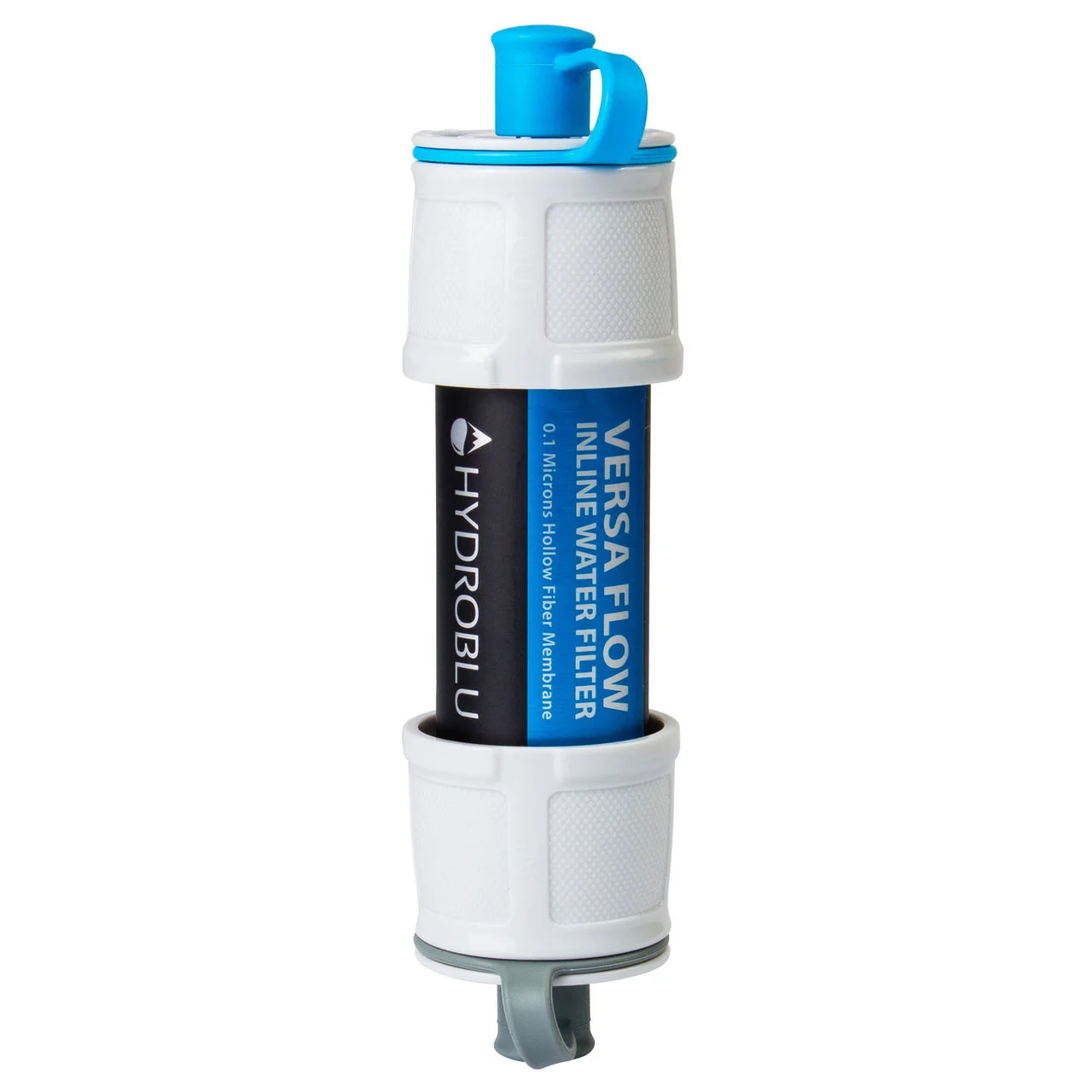
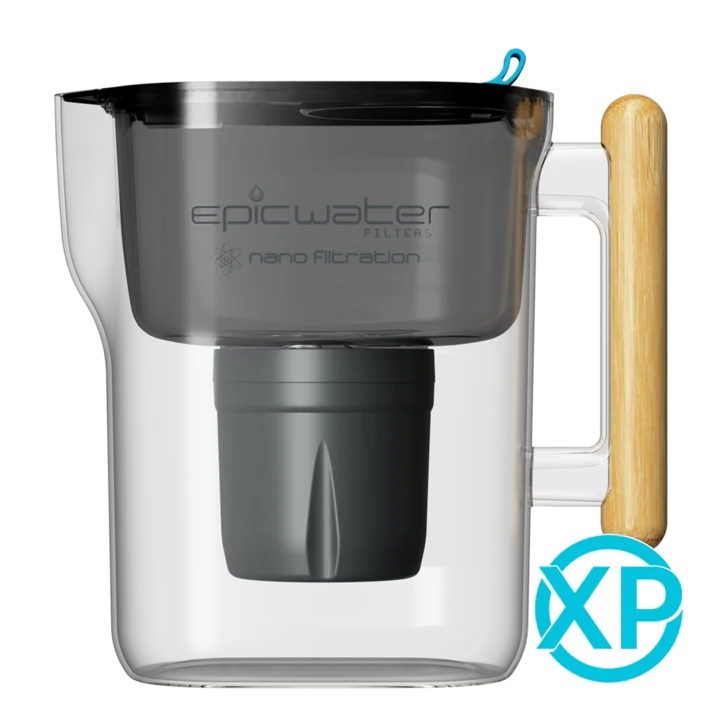
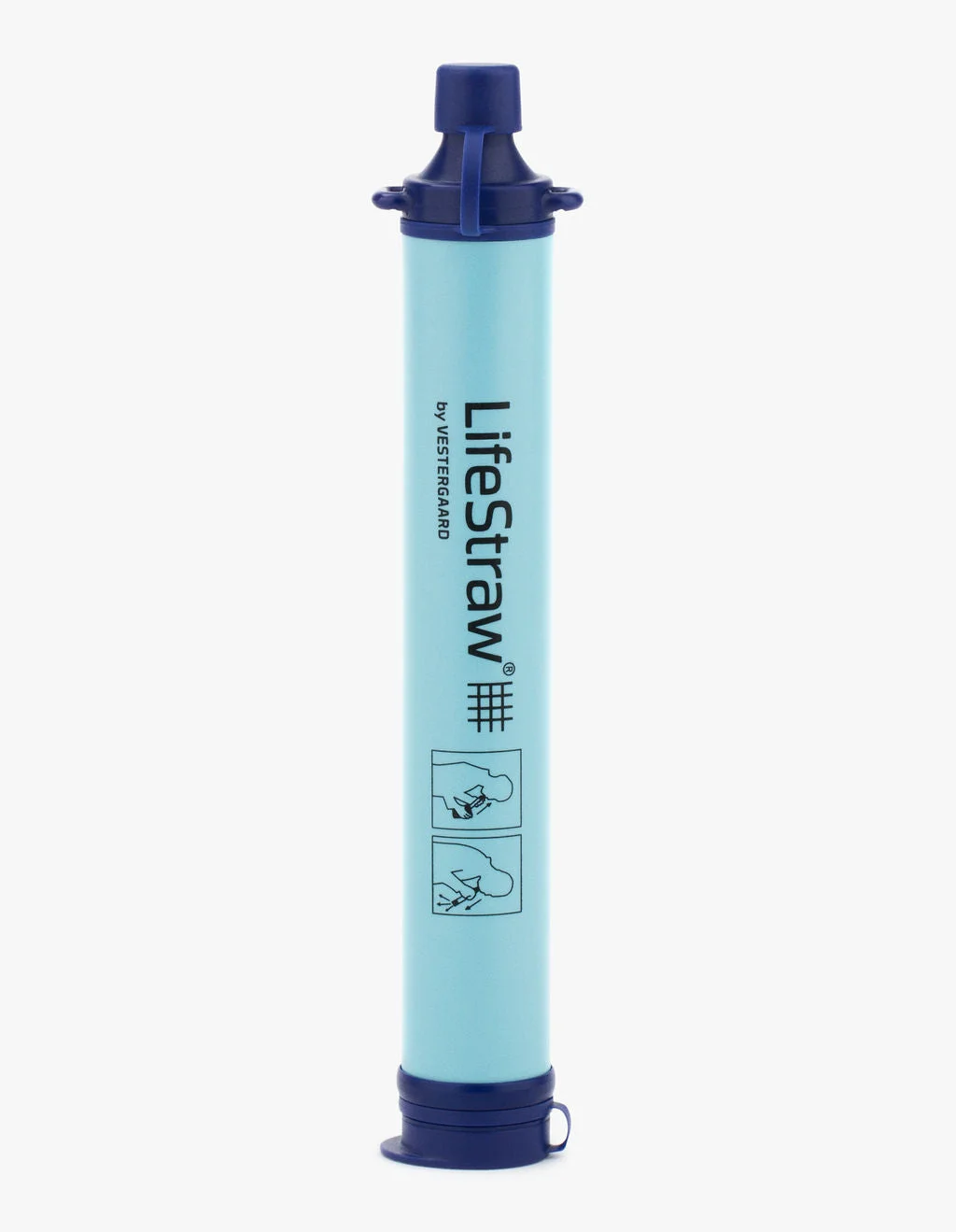
Hollow-fiber filters are lightweight and backflushable. Activated carbon improves taste and removes chemicals. Ceramic filters are durable but heavier. Choose based on your primary water source and portability needs.
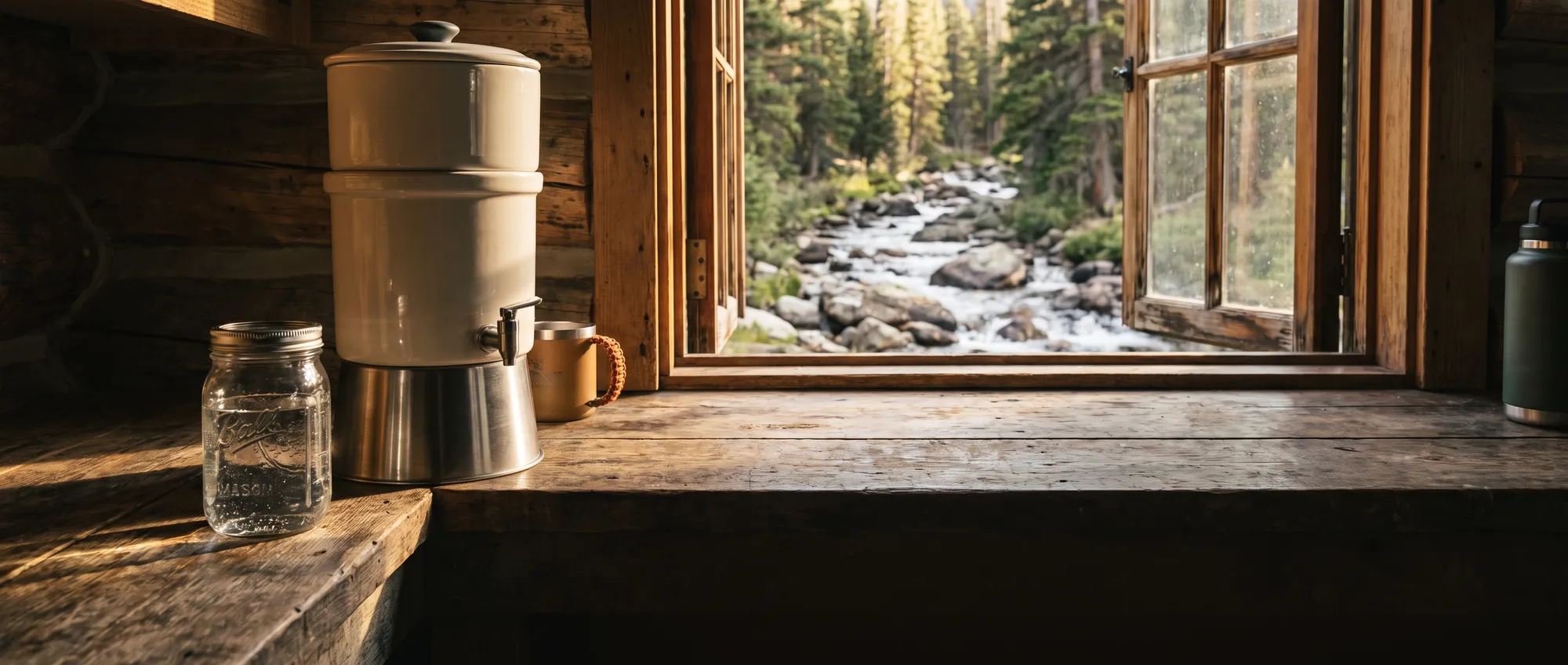
Under $100
Mid-range water filters and purifiers under $100 including gravity systems and purifiers
The sub-$100 range opens up serious filtration options beyond basic squeeze filters. You can get gravity-fed systems that filter water hands-free for groups, press-style purifiers that remove viruses and chemicals, and UV purifiers for international travel. These mid-range options strike the best balance of filtration capability, convenience, and value for camping, cabin use, and emergency preparedness.
Before comparing specific products, here are the key specs and features that matter most for under $100.
Hollow-fiber filters are lightweight and backflushable. Activated carbon improves taste and removes chemicals. Ceramic filters are durable but heavier. Choose based on your primary water source and portability needs.
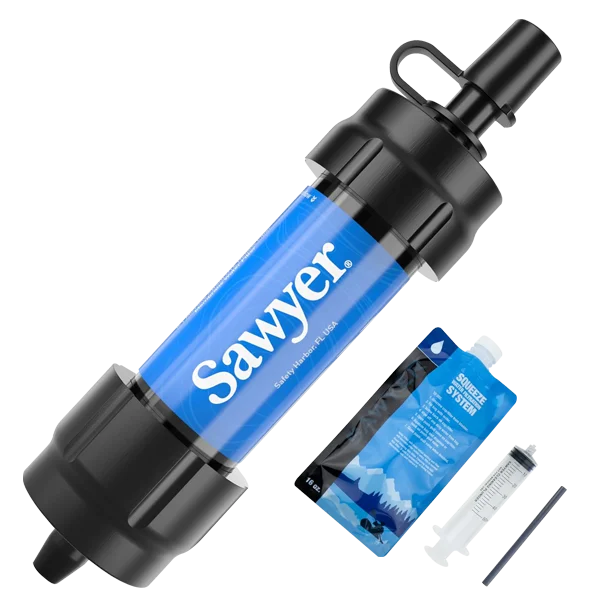
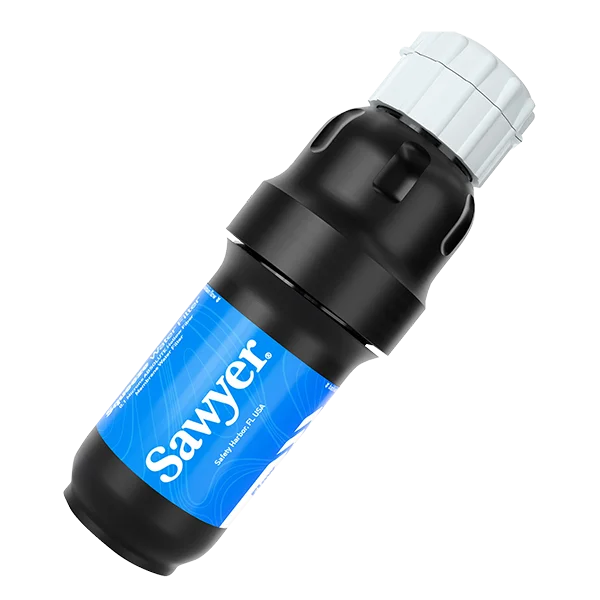
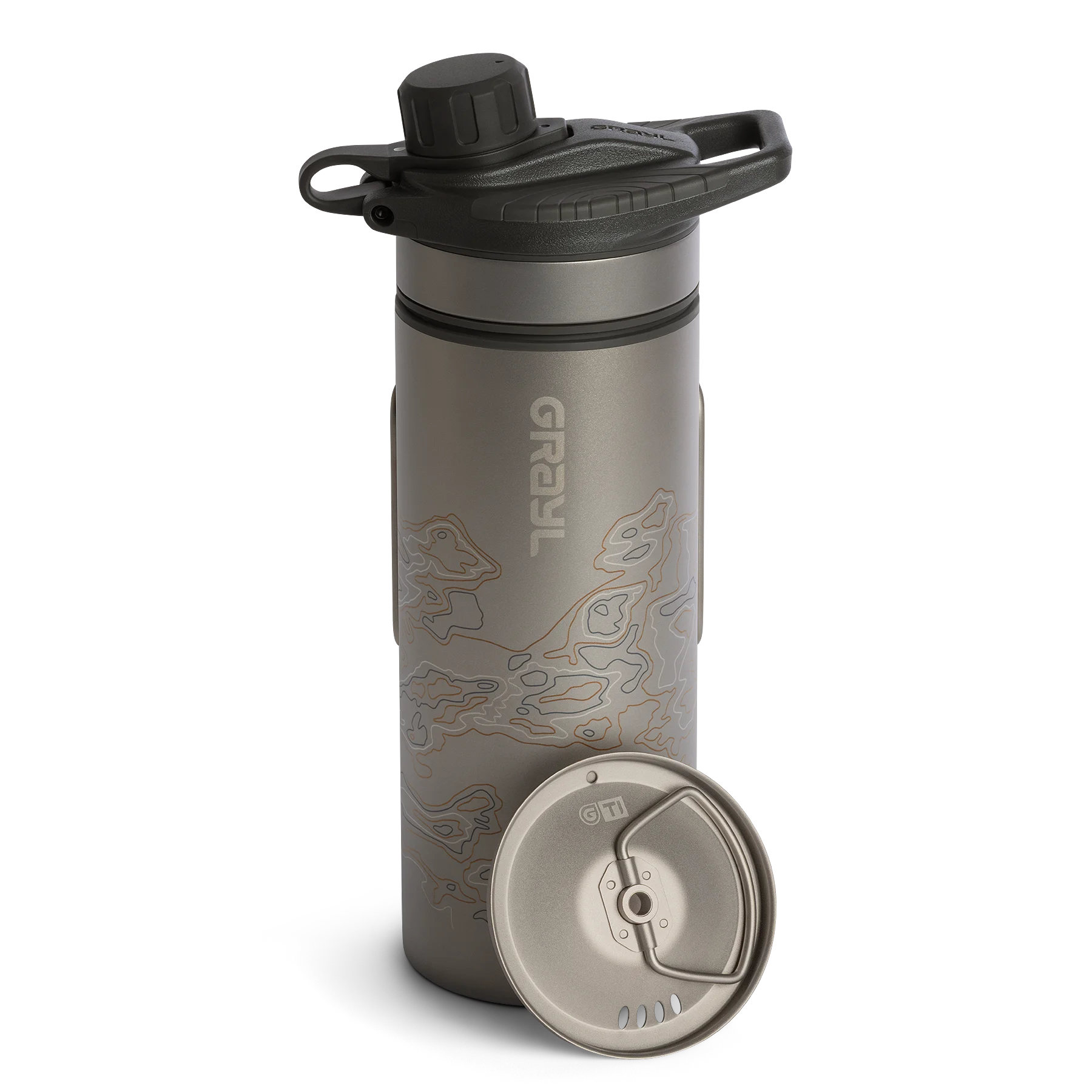
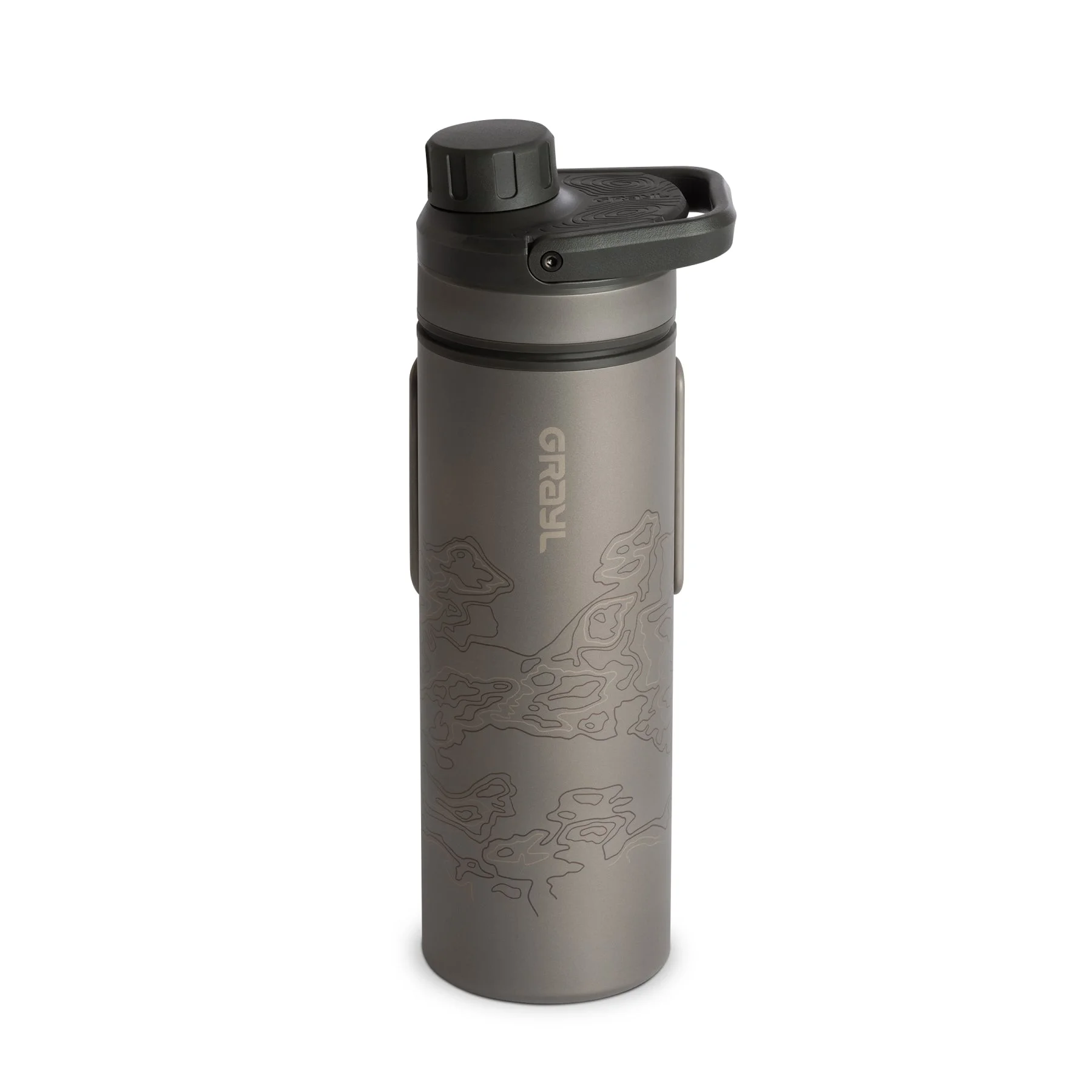
Filter lifespan varies from 65 gallons (GRAYL cartridges) to 100,000 gallons (Sawyer hollow-fiber). Calculate your usage: a family of four uses roughly 4 gallons per day. Longer lifespan means lower long-term cost.
Squeeze and pump filters deliver water on demand. Faster flow rates mean less effort per liter. Gravity systems work hands-free but take longer. Match flow rate to group size and patience.
Standard filters do NOT remove viruses. If your water source may contain viruses (flood runoff, developing regions, unknown municipal sources), choose a purifier with virus removal capability.
For backpacking, every ounce counts. Squeeze filters weigh as little as 2-3 oz. Gravity systems weigh 10-16 oz. Pump filters are heavier at 11-20 oz but offer faster flow. Choose based on your carry weight budget.
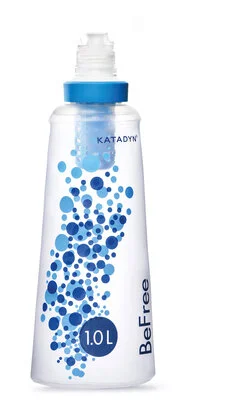
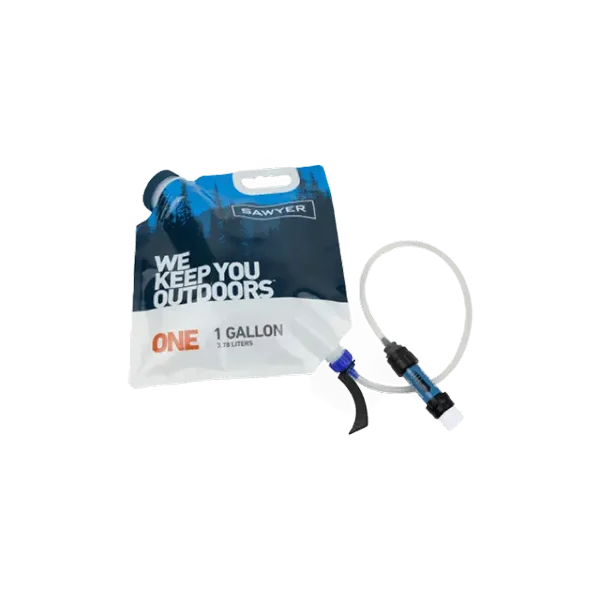
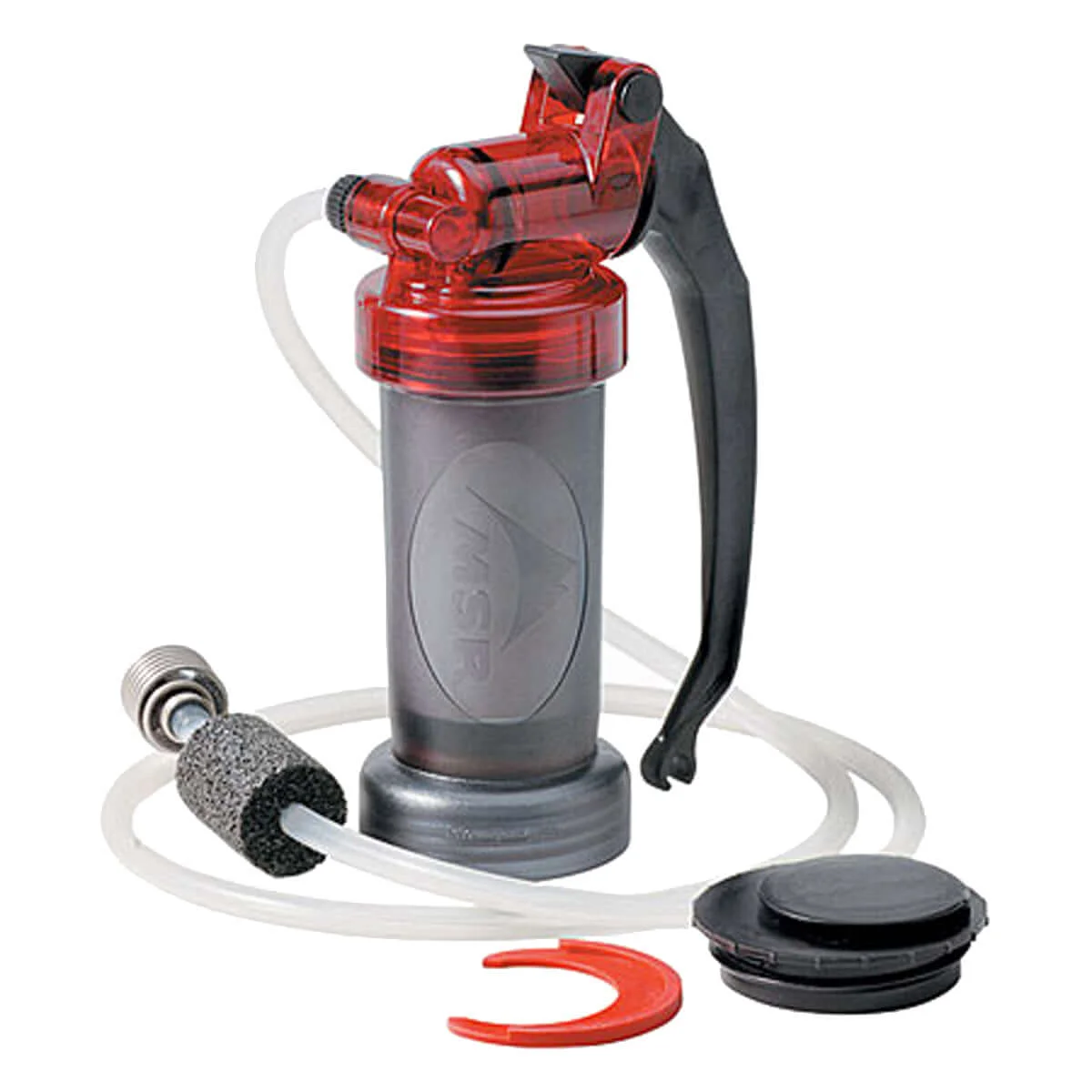
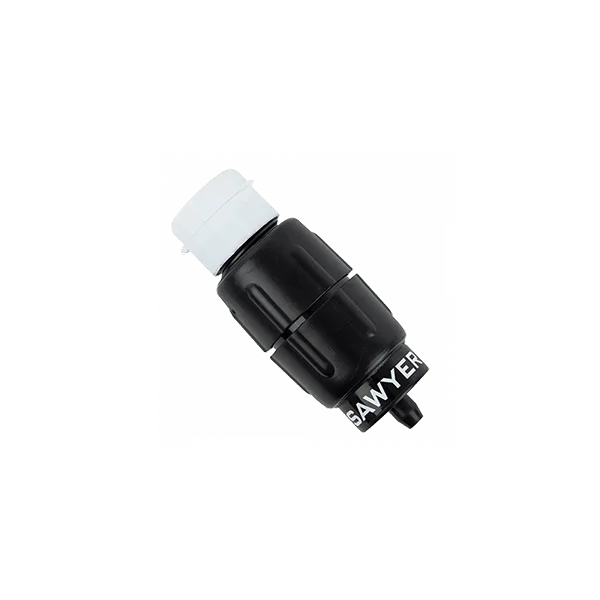
Katadyn