Esc

LiTime vs Renogy

Batteries brand comparison for 2026 — lineup depth, flagship head-to-head, strengths, weaknesses, and which brand wins each use case.

Strengths & Weaknesses

LiTime

Strengths

  • + Aggressive LiFePO4 pricing
  • + Bluetooth monitoring on Plus line
  • + 5-year warranty

Weaknesses

  • Rebrand confusion with old Ampere Time docs
  • Budget BMS on entry-tier models

Renogy

Strengths

  • + DIY-friendly
  • + Wide product range
  • + High affiliate commission

Weaknesses

  • Power stations less competitive than dedicated brands

Flagship Head-to-Head

The top-rated product from each brand in batteries.

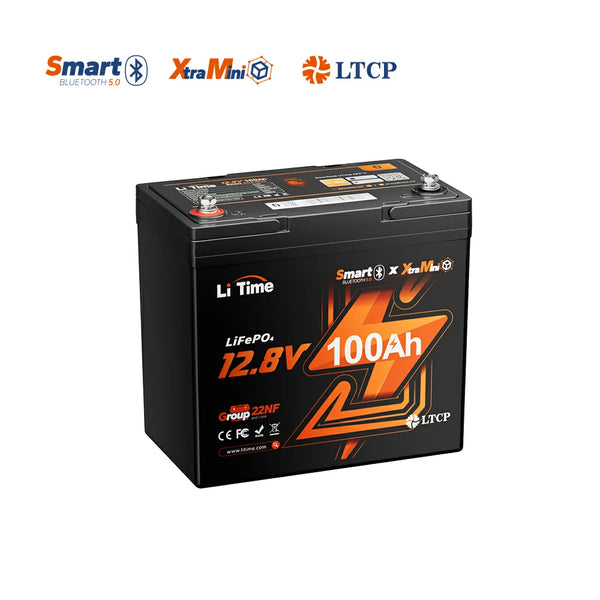
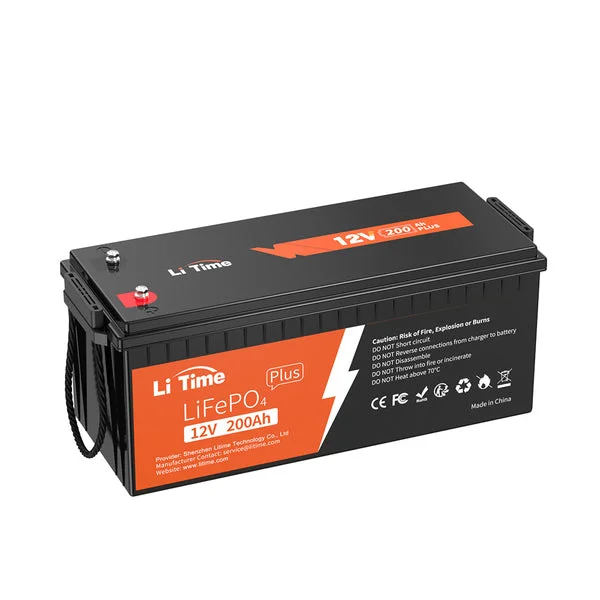
LiTime's Batteries Lineup

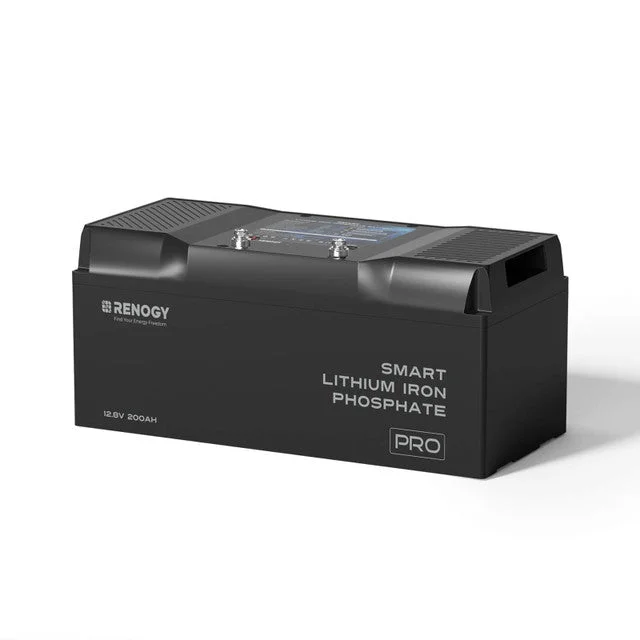
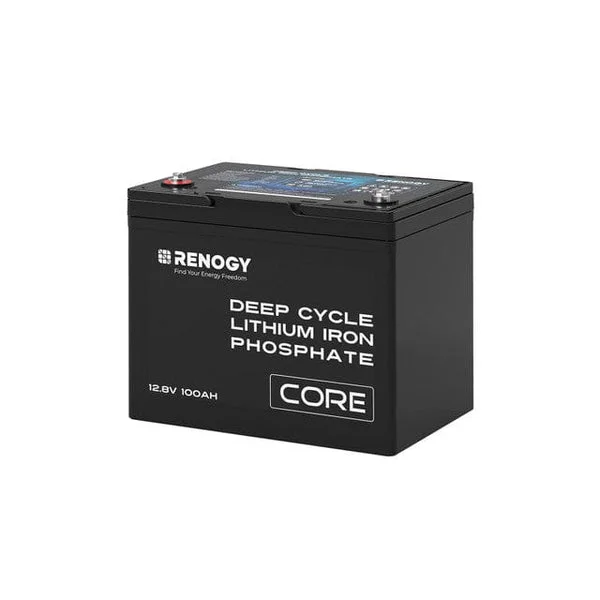
Renogy's Batteries Lineup

Head-to-Head Comparisons

Frequently Asked Questions

Is LiTime or Renogy better for off-grid batteries?
Neither brand wins universally. Renogy is the DIY-solar ecosystem play — you get panels, charge controllers, inverters, and batteries from one brand. LiTime is a pure-play LiFePO4 battery brand with lower prices per amp-hour. Choose Renogy for ecosystem consistency, LiTime for pure battery value. Across our reviewed lineup, Renogy has the stronger average score, but the best pick depends on your specific use case — see the flagship head-to-head below for a direct comparison.
Which LiTime product competes with Renogy's flagship?
Our top-rated LiTime pick in batteries is the LiTime 200Ah Plus 12V LiFePO4 (8.6/10), which competes directly with the Renogy Renogy 200Ah 12V LiFePO4 (8.8/10). Read our full head-to-head comparison for the verdict.
How do LiTime and Renogy compare on price?
LiTime's top batteries pick lists at $460, while Renogy's competing flagship is $600. Per-watt-hour or per-feature pricing varies by product — check the full specs on each review for an apples-to-apples cost breakdown.
What categories do LiTime and Renogy both make?
Both brands have products in: Batteries. This comparison focuses primarily on batteries, where both brands have their strongest presence.

Related